• Mission
    • Our Impact
    • Staff
    • Piedmont Fresh
    • Our Producers
    • Our Programs
    • OUR BLOG
    • Beginner Farmer
    • Farm Emergency Resources
    • Food Resources
    • Calendar
    • Farm Workshops
    • Farm Tour 2026
  • Local Food Guide
    • Opportunities
    • Give Today
    • Community Gardens
    • Master Gardener Volunteers
Menu

Davidson County Local Food Network

Street Address
City, State, Zip
Phone Number

Your Custom Text Here

Davidson County Local Food Network

  • About Us
    • Mission
    • Our Impact
    • Staff
  • Food Hub
    • Piedmont Fresh
    • Our Producers
    • Our Programs
  • Resources
    • OUR BLOG
    • Beginner Farmer
    • Farm Emergency Resources
    • Food Resources
  • Events
    • Calendar
    • Farm Workshops
    • Farm Tour 2026
  • Local Food Guide
  • Get Involved
    • Opportunities
    • Give Today
    • Community Gardens
    • Master Gardener Volunteers

Drought Resources for North Carolina Farmers

August 14, 2026 Jessica Rogers

When the Weather Won’t Cooperate: Drought Resources for North Carolina Farmers

North Carolina farmers are facing challenging growing conditions as drought and extreme heat affect communities across the state. Dry conditions can create difficult decisions for farmers, from managing irrigation and livestock water to protecting crops, maintaining pasture and planning for potential losses.

If your farm is being affected by drought, you don't have to navigate it alone. North Carolina has state agencies, Cooperative Extension specialists, conservation districts and federal programs that can provide information, technical assistance and, depending on the program and eligibility, financial assistance.

First: Know Your Local Drought Conditions

The North Carolina Drought Management Advisory Council (DMAC) tracks drought conditions across the state and provides current drought maps, agricultural information, water resource conditions and drought advisories.

Checking your county's drought classification is a good first step when evaluating how current conditions may be affecting your farm.

Resources:

  • NC Drought Management Advisory Council: Current Conditions

  • NC Drought Management Advisory Council: Drought Maps

As drought conditions can change from week to week, farmers should check the current map for the most recent information.

Need Help Managing Your Farm During Drought?

NC State Cooperative Extension
NC State Extension has created a dedicated Drought Resources hub for agricultural producers.

The resource center includes information on:

  • Crop and vegetable production

  • Livestock and forage management

  • Water resources and irrigation

  • Farm management and economics

  • Disaster assistance

  • Agricultural programs

  • Drought related crop and livestock guidance

Resources:

  • NC State Extension: Drought Resources

  • NC State Extension: Agricultural Drought Resources

Farmers can also use Extension to connect with their local Cooperative Extension office for assistance specific to their operation. NC State Extension's agricultural drought resources include information on assistance programs, crop production, livestock and forage, and water and irrigation.

Looking for Water Related Assistance?

Agricultural Water Resources Assistance Program (AgWRAP)

North Carolina's Agricultural Water Resources Assistance Program (AgWRAP) is administered through the NC Soil and Water Conservation Commission and local soil and water conservation districts.

The program is designed to help increase:

  • Water use efficiency

  • Water availability

  • Agricultural water storage

  • Water conservation

  • Long term agricultural resilience

Depending on eligibility and available funding, AgWRAP can support agricultural water resource projects and conservation practices.

Resources:

  • NCDA&CS: AgWRAP Program

  • AgWRAP Resources and Forms

  • AgWRAP Regional Application Process

For the current FY2027 regional application process, applications opened July 29, 2026, and regional applications are due November 13, 2026.

Tip: Contact your local Soil & Water Conservation District to discuss whether AgWRAP may be appropriate for your farm.

Experiencing Crop, Livestock or Forage Losses?

USDA Farm Service Agency

The USDA Farm Service Agency (FSA) administers programs that may provide assistance to agricultural producers experiencing qualifying losses from drought and other natural disasters.

For livestock producers, the Livestock Forage Disaster Program (LFP) can provide assistance to eligible producers experiencing grazing losses caused by qualifying drought or fire conditions.

Other disaster assistance programs may also be available depending on the type of loss and the producer's operation.

Resources:

  • USDA Farm Service Agency: North Carolina

  • USDA FSA: North Carolina Programs

  • USDA FSA: Find Your Local Office

North Carolina's FSA office provides information about loans, conservation, disaster recovery and income support programs.

Important: Program eligibility and deadlines vary. Farmers should contact their local FSA office as soon as possible to discuss their situation and any applicable deadlines.

Conservation Assistance for Your Farm

USDA Natural Resources Conservation Service

The USDA Natural Resources Conservation Service (NRCS) provides technical and financial assistance to farmers, ranchers and forest landowners.

NRCS can help producers evaluate conservation needs and develop plans that may improve soil and water management and long term farm resilience.

Potential areas of assistance can include:

  • Soil health

  • Water management

  • Irrigation

  • Erosion prevention

  • Livestock related conservation practices

  • Long term drought resilience

Resources:

  • USDA NRCS: North Carolina

  • USDA NRCS: How to Apply

  • USDA NRCS: Get Started

NRCS recommends starting with your local field office. Technical assistance is available at no cost, and financial assistance may be available for eligible conservation practices.

Need Hay or Forage?

NC Hay Finder

Drought can quickly reduce pasture growth and forage availability.

NC Hay Finder, provided through NC State Extension, is a free online marketplace that connects hay buyers and sellers across North Carolina.

Resource:

  • NC Hay Finder

NC State Extension also provides drought specific livestock resources, including information about alternative feeds, forage management and drought related livestock concerns.

What Should Farmers Keep Track Of?

If drought is affecting your operation, keeping good records can be helpful when talking with Extension, USDA, insurance providers or other assistance programs.

Consider documenting:

  • Rainfall and weather conditions

  • Crop planting dates

  • Crop damage or reduced yields

  • Photos of affected fields and crops

  • Livestock and forage impacts

  • Irrigation and water use information

  • Additional expenses caused by drought

  • Hay or feed purchases

  • Communications with agricultural agencies or advisors

Good records can help you clearly explain what your farm has experienced when discussing potential assistance or recovery options.

Not Sure Where to Start?

You don't have to figure out which agency is right for you before asking for help.

A Simple Starting Point

1. Check your drought classification.
NC Drought Management Advisory Council

2. Talk with an agricultural expert.
NC State Cooperative Extension

3. Need help with agricultural water resources?
NCDA&CS AgWRAP

4. Experiencing agricultural losses?
USDA Farm Service Agency: North Carolina

5. Looking for conservation assistance?
USDA Natural Resources Conservation Service

6. Looking for hay or forage?
NC Hay Finder
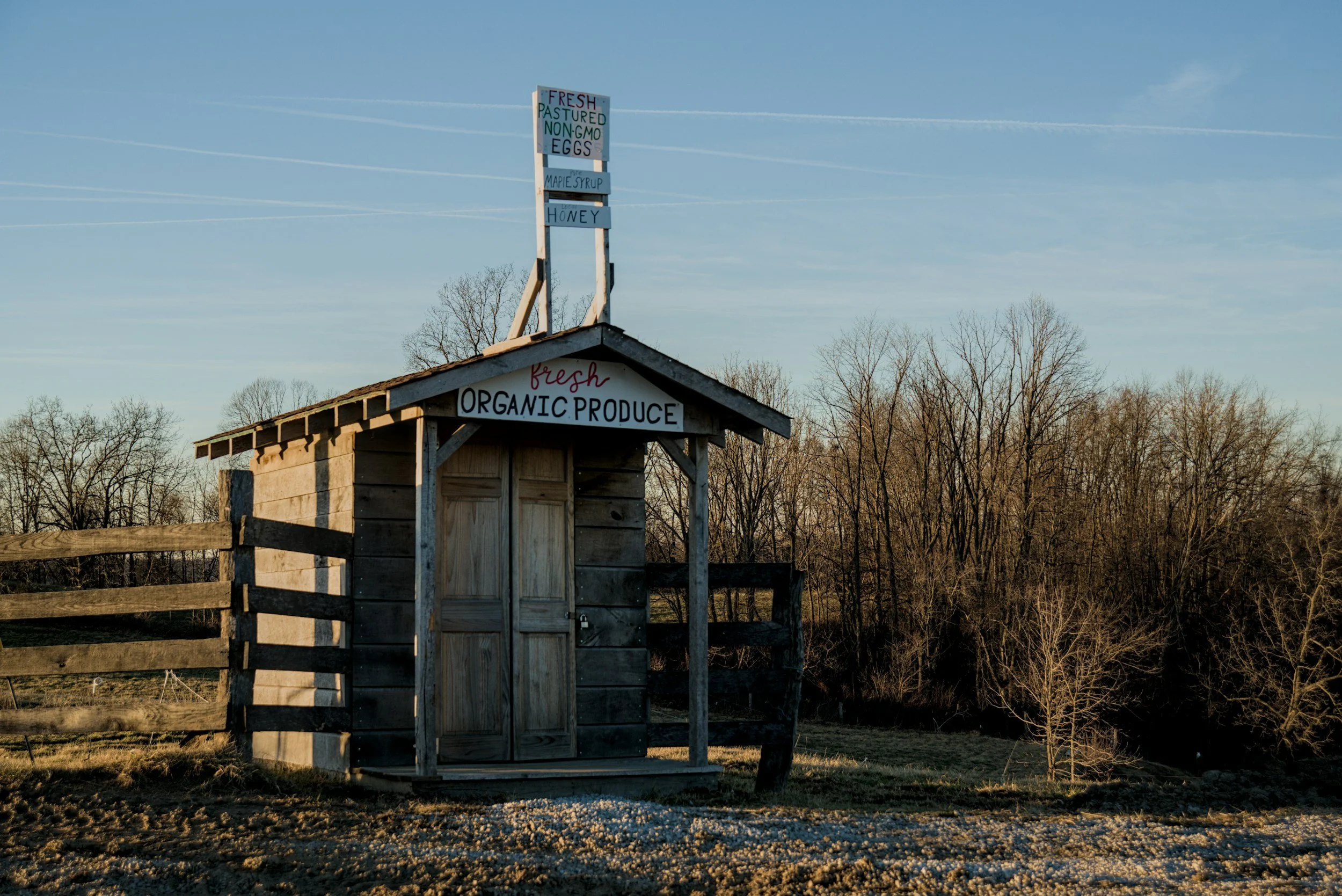
Drought Affects More Than the Farm

When farms experience drought, the effects can extend beyond the field.

Reduced harvests can mean fewer products available at farmers markets, food hubs and local retailers. Livestock producers may face increased feed costs. Consumers may see changes in availability and pricing. Organizations working to increase local food access may also have fewer locally grown products available.

That is why connecting farmers with resources is an important part of strengthening our local food system.


Resources at a Glance

Drought Conditions
NC Drought Management Advisory Council

Agricultural Guidance
NC State Extension Drought Resources

Water Assistance
NCDA&CS AgWRAP

Disaster Assistance
USDA Farm Service Agency: North Carolina

Conservation Assistance
USDA Natural Resources Conservation Service

Hay and Forage
NC Hay Finder

August Farmers Market Salad: START THE CHALLENGE!

August 7, 2026 Jessica Rogers

August Farmers Market Salad: START THE CHALLENGE!

What if eating local this month was a little more fun? This August, Davidson County Local Food Network is challenging you to eat local and make one meal using as many locally grown ingredients as you can find. You don't need to buy everything locally. You don't need a complicated recipe. And you definitely don't need to be a professional chef. Just start with what's available.

Your August Challenge

Visit a local farmers market.

Find what's fresh and in season right now. Talk with a farmer and see what they recommend.

Can't make it to a weekend market? No problem! Piedmont Fresh offers another way to shop for locally grown food from area farmers and producers. Check out what's available and build your local meal from there. Choose at least 3 local ingredients. Pick your favorites or challenge yourself to find something you've never tried before. Make a meal. It can be a salad, sandwich, pizza, pasta, tacos, or anything else you dream up.

Share your local plate! Take a photo of your meal and share what local ingredients you used. Tag DCLFN so they can see what you're cooking up.

Start With a Salad

If the idea of cooking a whole meal from scratch feels a little intimidating, start with a salad!

Salads don't have to be complicated, and they aren't as scary as cooking a big meal. They're a perfect starter for anyone who is new to cooking with local ingredients — and they're quick to throw together.

And perhaps the best part? Salads are so customizable. Don't like cucumbers? Leave them out. Have extra peppers? Toss them in. Found fresh strawberries at the market? Add them. Want something heartier? Add local cheese, beans, eggs, or another protein. You can change a salad based on what you like, what you have in the refrigerator, and — most importantly for this challenge — what's fresh and available locally. There are no complicated cooking techniques, no long prep times, and no pressure to get it exactly right.

Make It Yours

The best part of this challenge? There are no wrong answers.

Can't find corn? Leave it out.

Have extra zucchini? Throw it in.

Found some beautiful peaches at the market? Add them.

Want to swap the cheese for something else? Go for it.

The goal isn't to follow a recipe perfectly. The goal is to look at what's growing around you and build a meal from it.

A Recipe Can Tell a Bigger Story

A salad like this may seem simple, but every ingredient can represent a connection within the local food system.

The tomatoes might come from one farm. The corn from another. The herbs from a home grower or small producer. The cheese from a local dairy.

One meal can bring several pieces of the food system together.

That's one of the things that makes local food special.

Why Take the Challenge?

When you choose local food, you're supporting more than what's going on your plate.

You're supporting the farmers who grow it, the producers who make it, the markets that connect farmers and consumers, and the local food network that helps bring all of those pieces together.

  • And you might discover something new along the way.

  • Maybe you'll find a new favorite farmer.

  • Maybe you'll try a vegetable you've never cooked before.

  • Maybe you'll discover that the best tomato salad you've ever had came from ingredients grown just down the road.

That's what this challenge is about. Not perfection. Not changing everything about the way you eat. Just making one more local connection.

So… Are You In?

This August, challenge yourself to eat local.

  • Visit a farmers market.

  • Shop Piedmont Fresh.

  • Pick up a few local ingredients.

  • Make a meal.

  • Share your plate.

Then challenge someone else to do the same.

Start small. Start with a salad. Start with what's in season.

Because sometimes, strengthening your local food system starts with something as simple as deciding what's for dinner.

More Than a Market: Why Local Food Matters to Our Community

August 7, 2026 Jessica Rogers

More Than a Market: Why Local Food Matters to Our Community

A farmers market is more than a place to buy tomatoes.

It is a place where farmers meet the people who eat the food they grow. It is where neighbors connect, local businesses build relationships, and fresh food becomes part of the community.

When we talk about a strong local food system, we are talking about all of these connections.

Local Food Starts With Access

Eating locally should not be about finding the perfect recipe or making a special trip every week. At its heart, local food is about having opportunities to access fresh, nutritious food and knowing where that food comes from.

Across North Carolina, programs such as the Farmers' Market Nutrition Program help connect eligible families with locally grown fruits and vegetables while providing additional support to participating farmers.

Food access can look different for everyone. It might mean being able to use nutrition benefits at a farmers market, finding a market close to home, having access to affordable fresh produce, or simply knowing where to turn when you want to buy food grown by your neighbors.

A strong local food system works toward making those connections easier.

When You Buy Local, You're Supporting More Than a Farm

When you purchase a tomato from a local farmer, you're not just buying a tomato.

You're supporting the person who planted the seed, cared for the crop, harvested it, and brought it to market.

You're also helping keep food dollars circulating closer to home and contributing to the network of farmers, markets, food businesses, community organizations, and consumers that make up our local food system.

That network matters.

Local food systems can contribute to community economic development, health, environmental sustainability, and stronger relationships between producers and consumers.

And sometimes, supporting that system can be as simple as choosing one locally grown ingredient for dinner.

Put Local Food on Your Plate

August is one of the best times of year to let local produce do the work.

Tomatoes, corn, cucumbers, peppers, and fresh herbs are showing up at markets and farm stands throughout the season. You don't need a complicated recipe to enjoy them.

← Newer Posts Older Posts →
 

Davidson County Local Food

OUR MISSION

NEWSLETTER

EVENTS

OUR BLOG

Piedmont Fresh

ABOUT US

OUR PRODUCERS

SHOP NOW

PF NEWSLETTER


Davidson County Local Food Network is a 501c(3) non-profit organization. Any donations made to the DAVIDSON COUNTY LOCAL FOOD NETWORK are tax-deductible.

©2014-2025 DAVIDSON COUNTY LOCAL FOOD NETWORK