

Give or receive support for farms in crisis.
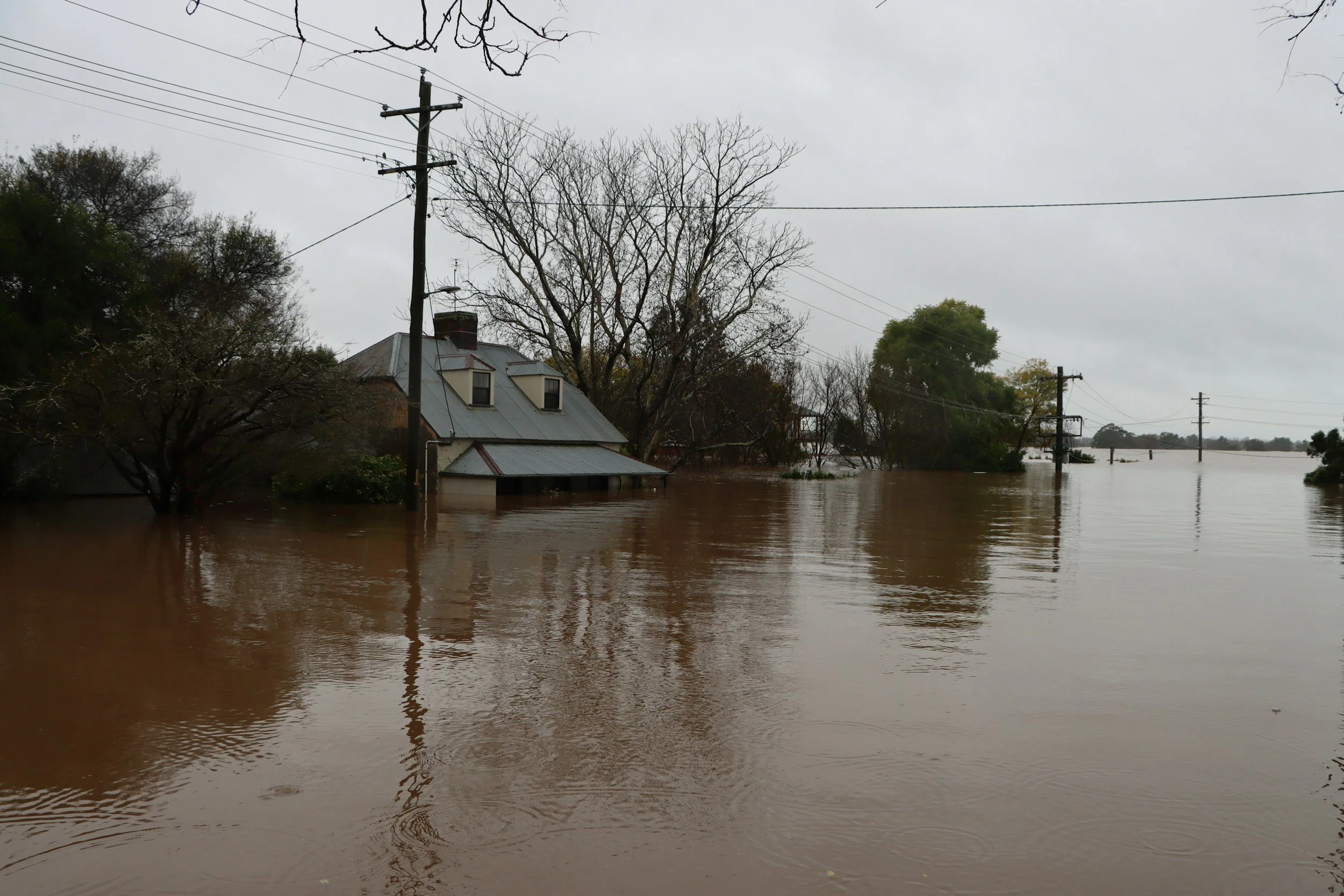
Natural disasters and severe weather can have lasting impacts on farms, livestock, and agricultural operations. This page provides resources that may help farmers prepare for, respond to, and recover from agricultural emergencies.
The information below is intended to help producers locate available assistance programs, support services, and recovery resources.
Disaster Assistance
USDA
The U.S. Department of Agriculture sent out a bulletin containing information about how farmers can obtain possible help, such as low-interest emergency loans, loan servicing options, and financial resources available through the Natural Resources Conservation Service (as well as "emergency animal mortality disposal from natural disasters and other causes"). For important guidelines about documenting and reporting your losses, as well as useful links and information about program delivery flexibilities and waivers, check out the bulletin here.
The U.S. Department of Agriculture (USDA) offers disaster assistance programs for agricultural producers affected by natural disasters and severe weather events. Assistance may include:
Loan servicing and repayment flexibility
Technical and financial assistance through the Natural Resources Conservation Service (NRCS)
Guidance on documenting and reporting farm losses
Emergency animal mortality disposal assistance
Producers are encouraged to contact their local USDA Service Center to report losses and learn which programs may apply to their operation.
Supplemental Disaster Relief Program (SDRP)
The Supplemental Disaster Relief Program (SDRP) provides financial assistance to producers who experienced revenue, quality, or production losses to crops, trees, bushes, or vines caused by qualifying disaster events during the 2023 and 2024 calendar years.
The program is administered through the USDA Farm Service Agency. Current enrollment periods are scheduled through April 30, 2026. Producers should contact their local FSA office for eligibility and application details.
Emergency Assistance for Livestock, Honeybees, and Farm-Raised Fish (ELAP)
ELAP provides assistance to eligible producers who experience losses affecting:
Livestock
Honey bees
Farm-raised fish
Covered losses may result from disease, severe weather, or other qualifying conditions not addressed by other disaster programs. Documentation of losses is required.
Appalachian Sustainable Agriculture Project
The Appalachian Sustainable Agriculture Project (ASAP) periodically offers emergency and recovery grants for eligible farms, including opportunities available to Appalachian Grown certified producers. Grant availability varies throughout the year.
Other Links
Disaster Information for Farms and Agribusinesses
Hurricane Helene Recovery Resources- Ways to help recover after a destructive storm.
Hurricane Helene- Aftermath and Updates pertaining to Center for Environmental Farming Systems
Livestock Support
Disasters can create immediate challenges for livestock producers, including damage to fencing and shelter, feed shortages, and animal health concerns.
Agricultural Emergency Hotline:
866-645-9403
Available support may include:
Livestock supply coordination through the NC Department of Agriculture & Consumer Services and NC State Extension
Requests for assistance or supply donations
Guidance from local livestock extension agents
View more information:
NC Department of Agriculture & Consumer Services: https://www.ncagr.gov
NC State Extension: https://extension.ncsu.edu
Supplies and care for livestock:
Drop off points coordinated by the NC Department of Agriculture and Consumer Services and NC State Extension: View the list on Facebook or on the nc.gov website
Request livestock supplies from NCDA&CS or offer help here
Volunteer opportunity for veterinarians: Click here for the form
(Emergency needs) Ag Hotline: 866-645-9403
Country Farm and Home in Pittsboro, NC is accepting donations and distributing to drop off points like Newdale Fire Department in Yancey County. Support their efforts financially via Venmo: @CFHsupply.
WNC Regional Livestock Center in Canton, NC (accepting donations)
Financial Loss Assistance
Producers experiencing agricultural losses may qualify for the following programs:
Emergency Assistance for Livestock, Honey Bees, and Farm-Raised Fish (ELAP)
Livestock Indemnity Program (LIP) — provides compensation for livestock deaths beyond normal mortality caused by eligible weather events or disasters
Applications are administered through local USDA Farm Service Agency offices.
View more information:
Livestock Indemnity Program (LIP)
https://www.fsa.usda.gov/resources/programs/livestock-indemnity-programEmergency Assistance for Livestock, Honey Bees, and Farm-Raised Fish
Additional Information
Program availability, eligibility requirements, and deadlines may change. Producers should contact program administrators or local USDA Service Centers for the most current information.
Volunteer and Donation Opportunities
Rural Advancement Foundation International (RAFI) — Farmer Relief Fund
Supports farmers affected by disasters like hurricanes with recovery funds. You can donate to help long‑term relief for agricultural families.
Volunteer: RAFI primarily focuses on funds and advocacy — for volunteer opportunities related to mutual aid and farm assistance, see broader volunteer hubs (below).
Blue Ridge Women in Agriculture — Volunteer & Donation Hub
Focuses on strengthening local food systems in the High Country and has organized volunteer efforts in response to agricultural disasters.
Donate: Support their work through donations or membership.
Volunteer: They maintain a volunteer calendar and coordinate help with their High Country Food Hub and community events.
North Carolina Voluntary Organizations Active in Disaster (NC VOAD)
A coalition of nonprofits coordinating volunteer and donation needs across disasters statewide.
Volunteer: Sign up for vetted opportunities with member agencies (cleanup, support roles, distribution, etc.).
Donate: Cash gifts to NC VOAD help local partners respond flexibly to the most pressing needs.
North Carolina Disaster Relief Fund (NCDRF)
A statewide disaster donation fund that distributes money to nonprofits serving unmet needs after major events. Donations support recovery work, from food and supplies to community rebuilding.
Donate: Visit nc.gov/donate to contribute to the NC Disaster Relief Fund (100% goes to aid efforts).
North Carolina Community Foundation Disaster Relief Fund
Supports long‑term recovery, resiliency building, and unmet needs in communities hit by disasters. Donations here help fund multiple local nonprofits working on rebuilding and support.
👉 Donate online: https://www.nccommunityfoundation.org/nonprofits/disaster-relief-fund
North Carolina Department of Volunteerism & Community Service (Volunteer NC)
Connects trained volunteers with disaster response and recovery efforts statewide. You can register to receive alerts about emerging volunteer needs and training opportunities like Community Emergency Response Team (CERT).
👉 Find opportunities and training: https://www.nc.gov/working/volunteer-opportunities/volunteernc/disaster-services
Local & Regional Relief Partners
Here are some additional ways to support work on the ground in Western NC and rural areas:
Bald Creek Relief: Accepts donations to help Western NC communities with food, supplies, and recovery services after disaster events.
Disaster Hay & Livestock Donation Coordination: Through NC Dept. of Ag sites, you can donate money or livestock resources to help farmers with hay and feed needs.
Partner Disaster Relief Orgs: Groups like Baptists on Mission and the American Red Cross often coordinate volunteers and donations for disaster cleanup and community support (especially after hurricanes).