
DCLFN TIMELINE
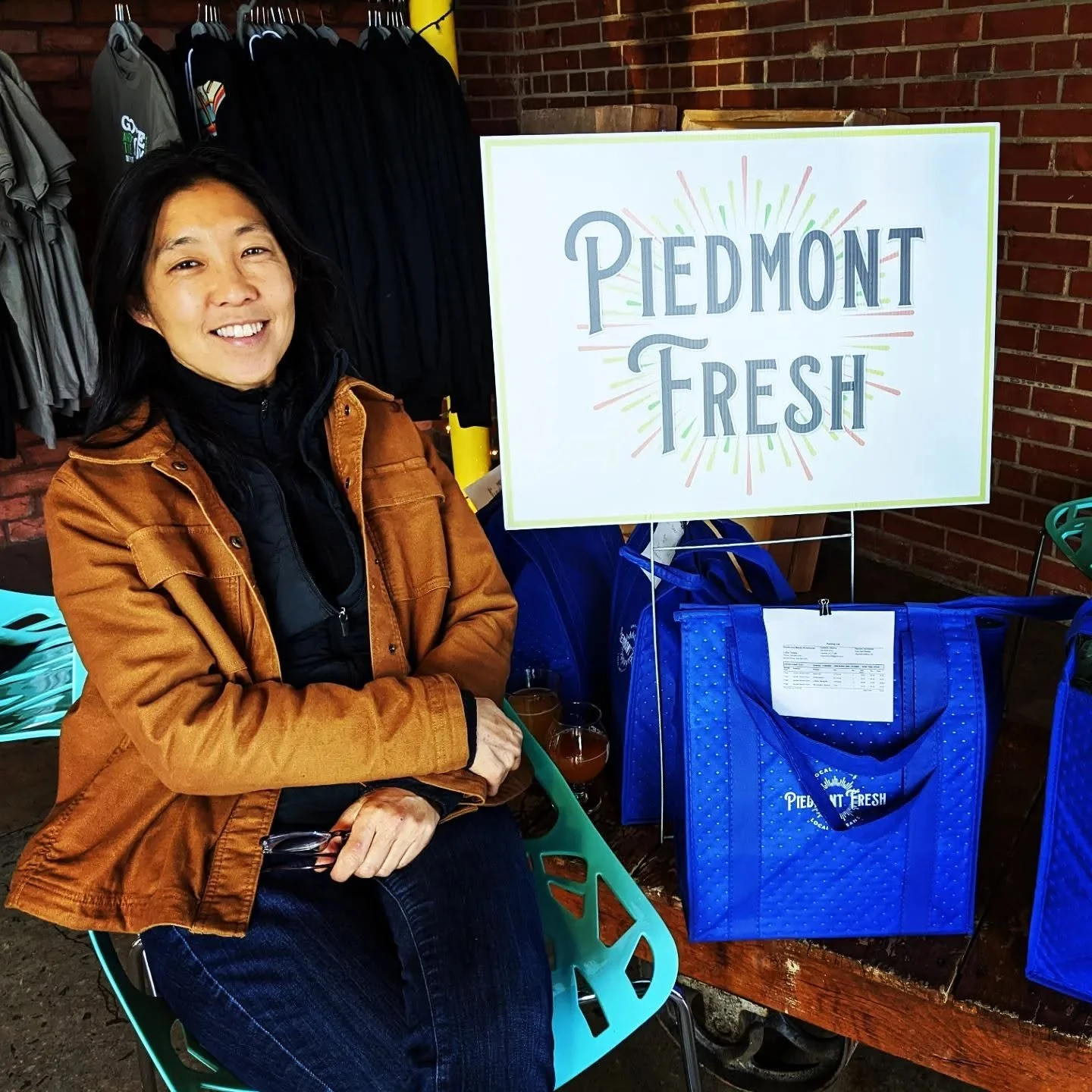
Grace Kanoy, Board President
2018–2019 — Laying the Groundwork
DCLFN began developing the ideas and systems that would eventually support a stronger local food network and the future Piedmont Fresh Local Food Hub Initiative.
During this formative period, the organization worked to build relationships with farmers and producers selling within Davidson County and surrounding communities, develop the flow and structure needed to connect local producers with customers, identify and pursue grant opportunities, and bring together the partners and contributors needed to move the concept forward.
This was primarily a planning and foundation-building period, rather than Piedmont Fresh operating as the food hub it would later become.
2020 — Local Food Sales Move Online
DCLFN began using Local Food Marketplace in 2020 to sell locally produced food from area farms online.
This represented an important transition from planning to active local-food commerce, creating a digital marketplace through which customers could purchase products from participating farms and producers.
This early online marketplace became an important operational foundation for the food-hub model that would develop into Piedmont Fresh.
2020 — A Community Partner Gives the Food Hub Room to Grow
As the emerging food hub moved into active operations, Greater Vision Outreach Center generously provided DCLFN with physical space for its work.
DCLFN was able to use space at the facility along with access to walk-in refrigeration, freezer storage and meeting areas.
Greater Vision's support gave the developing initiative critical physical infrastructure at a time when DCLFN did not yet have a dedicated food-hub facility and helped provide the space necessary for its local-food work to grow.
This early partnership becomes particularly meaningful in light of Piedmont Fresh's eventual move to a new facility in 2026.
2021–2022 — Piedmont Fresh Takes Shape
Building upon years of planning, the online marketplace and access to physical operating space, DCLFN continued developing what would become Piedmont Fresh, its Local Food Hub Initiative.
During this period, the organization established and refined the systems, protocols and day-to-day operations necessary to run a food hub while continuing to strengthen relationships with farmers and producers throughout Davidson County and surrounding areas.
The initiative increasingly moved from planning and early experimentation toward a more established food-hub operation.
For now, the master timeline intentionally does not assign individual credit for this development. The roles of board leadership, staff and other early contributors will be revisited as additional historical information is gathered.
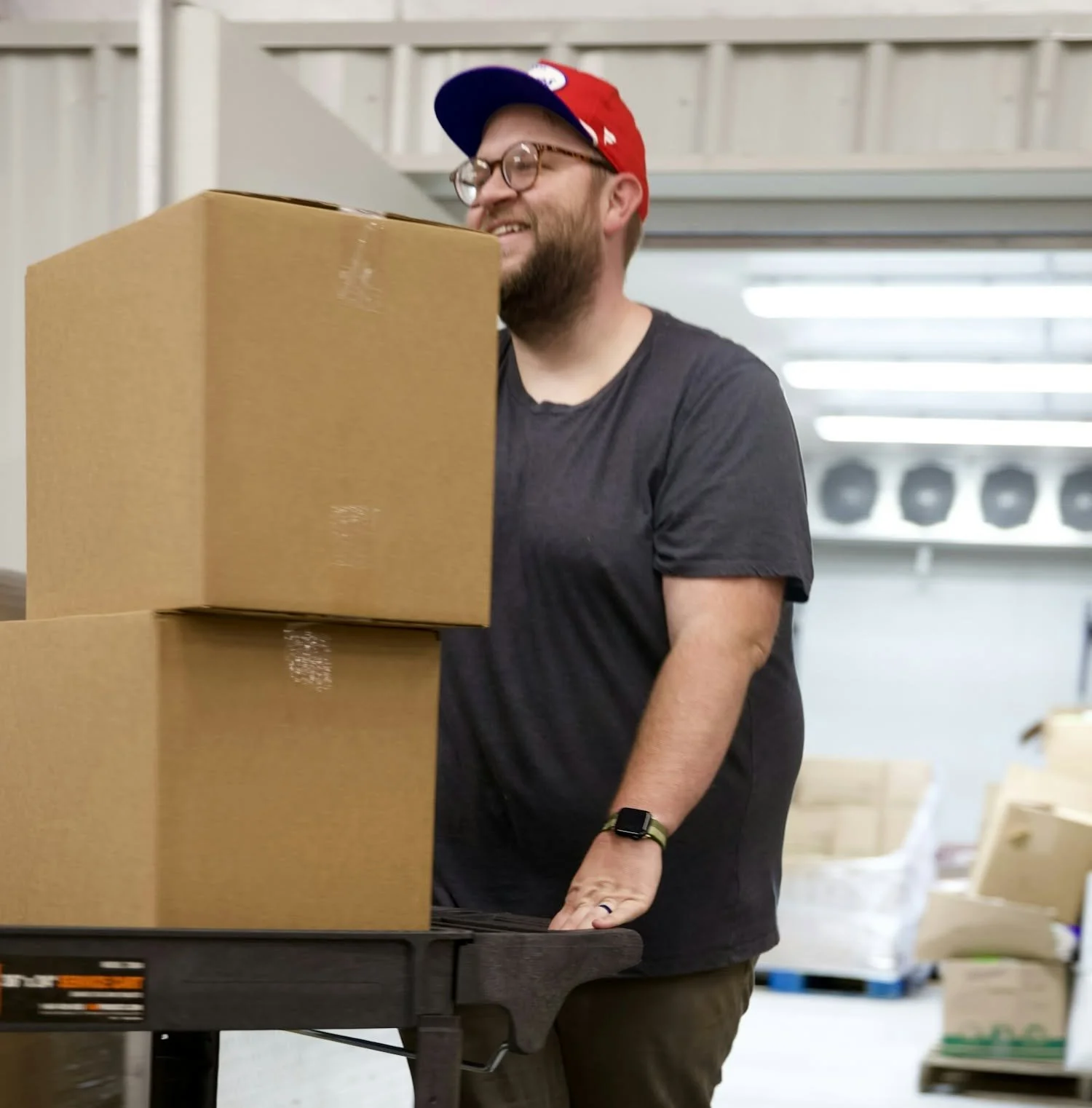
2022 — Piedmont Fresh Establishes a Public Presence
Piedmont Fresh's social media presence went live in 2022, giving DCLFN's Local Food Hub Initiative a more distinct public identity.
A Piedmont Fresh promotional graphic from this period features approximately 12 local farm and producer partners, providing an early visual snapshot of the network being built around the food hub.
Because later reports use different definitions—including active vendors, participating farms and producers purchased from—we will not directly compare these numbers until we know the reporting methodology is equivalent.
2023 — A Major Expansion Phase Begins
September 2023 — USDA-Supported Piedmont Fresh Expansion
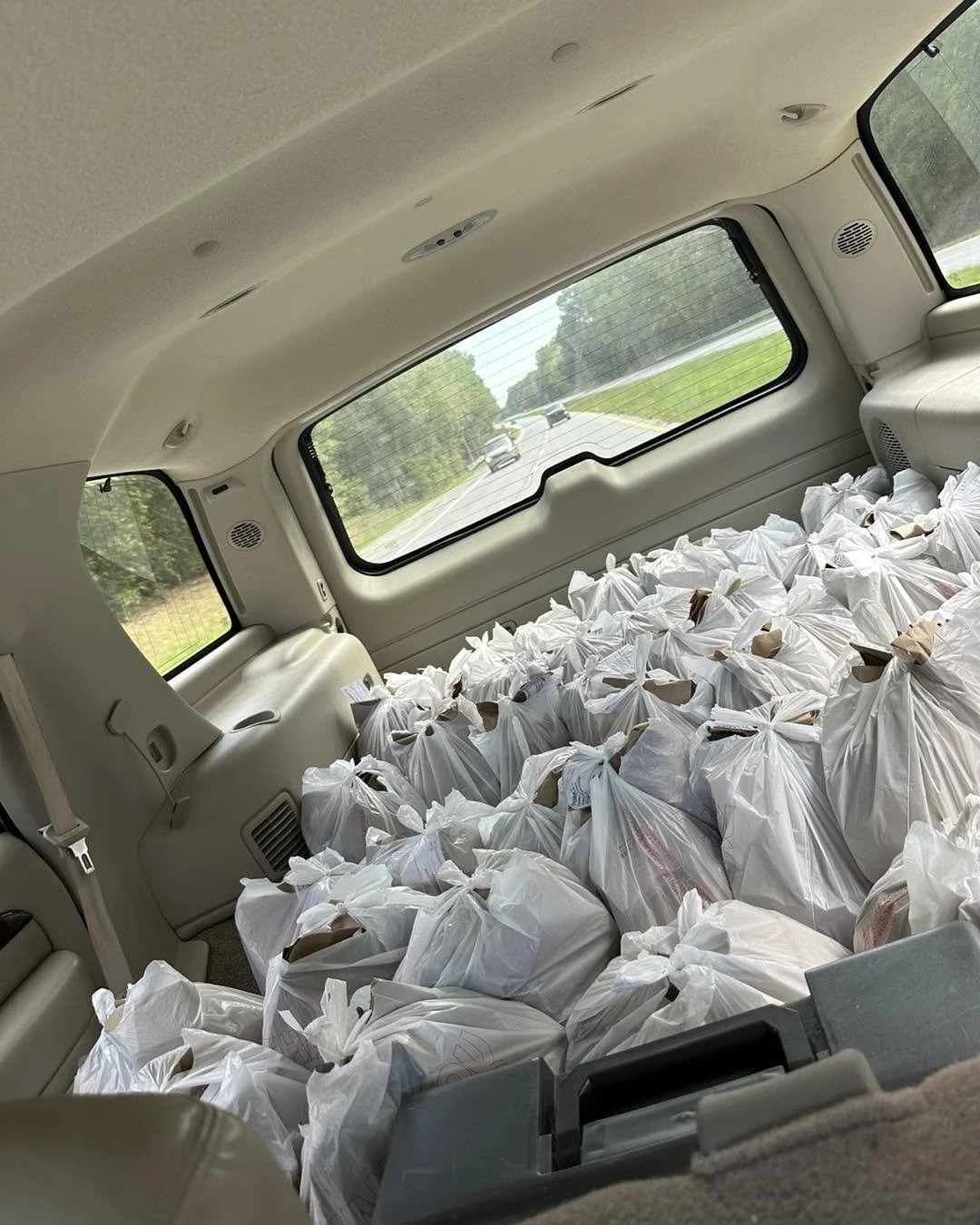
On September 30, 2023, DCLFN began the three-year USDA project “Expanding Piedmont Fresh Food Hub in the Piedmont Triad,” with a period of performance extending through September 29, 2026.
The project established three major objectives:
Scale Piedmont Fresh's capacity to serve more farmers, ranchers and value-added producers through both consumer and partner distribution networks.
Grow and diversify the customer base through a robust marketing plan.
Provide ongoing climate and business resiliency support to vendors.
This USDA project represents an expansion of Piedmont Fresh rather than its creation. DCLFN had already spent several years developing the systems, relationships and infrastructure that formed the food hub.
The USDA project's approved federal budget is documented as $249,480.
2024 — Scaling the Food Hub
Piedmont Fresh Expands
During the first year of the USDA expansion project, Piedmont Fresh reached 20 active vendors and established eight partnerships, exceeding its first-year partnership goal of four.
The food hub also reached its goal of operating five pickup locations.
Wholesale and community-partner distribution grew substantially. USDA reporting documents 4,635 boxes delivered against an original goal of 1,400.
DCLFN's public 2024 Impact Report records 4,608 food boxes. We are preserving both figures in the research record until we determine whether the difference reflects different reporting periods, definitions or programs.
2024 — Food Access Partnerships Expand
Piedmont Fresh developed significant relationships with statewide food-access initiatives, particularly Farm Fresh Nourish through Second Harvest Food Bank and FarmsSHARE through Carolina Farm Stewardship Association.
These opportunities contributed substantially to the growth of the wholesale/community-partner side of the food hub. In fact, this portion of the program grew more quickly than originally anticipated and temporarily required DCLFN to devote more staff capacity to wholesale operations than consumer-market development.
2024 — Producer Support Grows
DCLFN/Piedmont Fresh continued expanding its role beyond simply providing a marketplace for farmers.
The organization co-hosted workshops and educational opportunities with partners including Cooperative Extension and Carolina Farm Stewardship Association.
Piedmont Fresh reviewed branding for all 20 active vendors and provided more intensive marketing and photography assistance to selected producers.
2024 — DCLFN Takes on the Local Food Guide
In 2024, DCLFN assumed responsibility for the Local Food Guide from the Lexington Farmers Market, continuing an established resource designed to connect the community with local farms, producers, markets and local food resources.
Under DCLFN, the Local Food Guide became part of the organization's broader community outreach and local-food education efforts, complementing programs such as the Davidson County Farm Tour and Piedmont Fresh.
This transition allowed DCLFN to continue building upon the Guide's existing foundation while expanding its role in connecting residents with Davidson County's local food system.
I like this MUCH more because Lexington Farmers Market deserves that historical credit. It also reinforces a theme that's starting to show up throughout the timeline: DCLFN's growth wasn't happening in isolation—it was built through community partnerships and organizations handing off or sharing resources over time.
Late 2024 — Creating New Markets for Producers
Piedmont Fresh's work increasingly focused on helping producers access multiple markets rather than relying upon a single sales channel.
One documented example is Seven Sisters Farm, which was invited to participate in FarmsSHARE in late 2024 after seeking more stable market opportunities beyond its traditional outlets.
That relationship would continue expanding during 2025 and 2026.
2025 — Food Access, Technology and Market Development
Food Access Programming Expands
Piedmont Fresh launched a pilot Rx produce-box program with Davidson Medical Ministries, creating another community-based market for locally produced food.
Food Hub Collaborative reporting documents several food-access channels during this period:
Davidson Medical Ministries: 420 Rx produce boxes
Farm Fresh Nourish/Second Harvest: 480 produce boxes
WellCare: 75 staple boxes containing dairy, eggs and bread
FarmsSHARE/CFSA: 300 produce boxes with two proteins
These programs simultaneously increased access to local food and created purchasing opportunities for area farmers and producers.
May 17, 2025 — Food Is Medicine
DCLFN/Piedmont Fresh participated in Food Is Medicine at the Thomasville Farmers Market on May 17, 2025, providing a food demonstration as part of its community education and outreach work.
Food Is Medicine programming represents another connection between DCLFN's food-access work, Piedmont Fresh's producer network and community education.
2025 — Food Hub Technology Develops
Funding supported the development of Piedmont Fresh's own sales and inventory platform, marking another stage of the food hub's technological development after beginning online sales through Local Food Marketplace in 2020.
Funding also supported branding of the Piedmont Fresh vehicle and food-hub staffing.
The 2025 Food Hub Collaborative budget documents $10,000 for technology consulting, including $3,000 for Freshlist consulting and $7,000 for platform development.
2025 — Supporting Local Farm Economies
Food Hub Collaborative reporting documents approximately $55,000 purchased or remitted to 12 North Carolina producers during 2025.
All 12 were identified as small family farms under the USDA definition.
Piedmont Fresh also provided individualized technical assistance to six producers, including support related to food safety, branding, social media, grant opportunities and market readiness.
Food-safety workshops were also made available beyond Piedmont Fresh vendors to farms throughout the region.
2025 — Producer Relationships Create New Opportunities
The relationship with Seven Sisters Farm illustrates how the food hub's role expanded beyond purchasing food.
After participating in FarmsSHARE, Seven Sisters began selling directly to consumers through Piedmont Fresh's online platform.
Piedmont Fresh also connected Seven Sisters with Crossings Farm, which began sourcing transplant seedlings from Seven Sisters. By 2026, Seven Sisters was supplying spring lettuce transplants for Crossings Farm's production.
This provides an example of DCLFN/Piedmont Fresh helping create relationships between producers, not simply relationships between farmers and the food hub.
2025–2026 — Building More Sustainable Food-Access Partnerships
Following the Davidson Medical Ministries pilot, the organization expressed interest in continuing the Rx produce program.
DCLFN/Piedmont Fresh committed an additional $7,000, which Davidson Medical Ministries matched with another $7,000.
DCLFN also began exploring a model in which organizations seeking farm-to-pantry or healthy-food-box programs contribute financially toward purchasing local food rather than programs relying entirely upon grant funding.
This represents an important shift toward building longer-term, financially sustainable food-access partnerships.
2026 — A New Home and the Next Stage of Growth
Piedmont Fresh Moves to a New Facility
In 2026, Piedmont Fresh is relocating to a new facility, representing one of the most significant physical infrastructure milestones in the history of DCLFN's Local Food Hub Initiative.
The move creates an especially meaningful connection to Piedmont Fresh's earlier history:
2020: Greater Vision Outreach Center generously provides space and access to cold storage for the emerging food hub.
2026: Piedmont Fresh moves into a new facility capable of supporting its next stage of growth.
The new location will strengthen Piedmont Fresh's ability to manage aggregation, cold storage, post-harvest handling, distribution and food-safety processes.
2026 — Preparing for Institutional Markets
The 2026 Food Hub Collaborative project is titled “Building Market Readiness for Institutional Procurement.”
The new facility is expected to provide greater control over post-harvest handling and food-safety practices and position Piedmont Fresh to pursue Harmonized GAP certification.
DCLFN/Piedmont Fresh identified three major objectives for this stage:
Achieve Harmonized GAP certification.
Develop institutional market channels with schools, healthcare providers and other large purchasers.
Prepare farm partners to meet institutional requirements related to food safety, consistency and production planning.
Piedmont Fresh has also begun discussions with the Davidson County School System, representing a potential future institutional market for participating farmers.
2026 — Investing in Food Hub Infrastructure
The proposed $50,000 2026 Food Hub Collaborative budget includes:
$25,000 — refrigeration and cold-storage installation
$15,000 — food-hub staffing
$7,500 — technology
$2,500 — peer-to-peer collaboration
Technology investment will continue supporting Piedmont Fresh's custom platform, including development for both consumer and institutional ordering.
DCLFN also plans to learn from Working Landscapes' experience serving school systems as Piedmont Fresh develops its own institutional-market strategy.
2026 — Long-Term Capacity Investment
DCLFN reports receiving a $90,000, three-year grant from the Congdon Family Foundation to strengthen organizational capacity.
This funding comes during a significant transition period as the organization expands food-hub infrastructure, develops institutional markets and moves Piedmont Fresh into its new facility.
Continuing Programs and Community Impact
Davidson County Farm Tour
The Davidson County Farm Tour predates the major Piedmont Fresh expansion and has continued as an annual DCLFN program without interruption.
The Farm Tour gives community members an opportunity to visit local farms, meet producers, learn about agricultural practices and better understand the local food system.
Rather than repeating the Farm Tour as an identical timeline item every year, the final history can treat it as a continuing DCLFN program while highlighting years with particularly significant attendance, expansion or milestones.
We still need to establish the exact year of the first Davidson County Farm Tour for the permanent timeline.
Local Food Guide
DCLFN assumed responsibility for the existing Local Food Guide in 2024 and has continued producing the resource.
The Guide supports DCLFN's broader mission by helping residents identify and connect with farms, markets, producers and local-food resources throughout the community.
Producer Education and Technical Assistance
As the food hub has grown, DCLFN/Piedmont Fresh's work with producers has expanded beyond simply providing another place to sell products.
Documented support includes food-safety education, marketing, photography, branding, social media assistance, grant awareness, market-readiness assistance, networking and connections to additional market opportunities.
Community Education and Outreach
DCLFN's broader community work includes the Davidson County Farm Tour, Local Food Guide, food demonstrations, Food Is Medicine activities, farmers market outreach, educational events, workshops and participation in regional agricultural conferences, including the Carolina Farm Stewardship Association Sustainable Agriculture Conference.
These activities complement Piedmont Fresh's commercial and food-access work by helping residents better understand local agriculture and connect directly with the people producing their food.