
Make the Most of Every Veggie: Reduce Food Waste and Eat Seasonally
Eating locally grown, seasonal produce is not just delicious — it’s a lifestyle that supports our farmers, strengthens our community, and reduces your environmental footprint. Yet, even with the best intentions, it’s easy for parts of our veggies to go unused, ending up in the compost or trash. That’s why learning to use every part of your produce is so powerful. From leafy tops to crunchy stems, every bit has flavor, nutrition, and purpose.
In this post, we’ll explore practical tips to reduce food waste, eat seasonally, and make the most of your local farm haul.
1. Why Eating Seasonally Matters
Seasonal eating is more than just a trend — it’s how nature intended it. Vegetables harvested at their peak are:
Fresher and more flavorful – no long-distance shipping or storage.
More nutritious – vitamins and minerals are at their peak.
Sustainable – seasonal crops require less energy and resources to grow.
Budget-friendly – in-season produce is often more affordable at farmers markets.
A simple seasonal veggie guide for Davidson County:
Winter: kale, cabbage, beets, carrots, sweet potatoes
Spring: spinach, peas, radishes, lettuce, asparagus
Summer: tomatoes, peppers, zucchini, cucumbers, summer squash
Fall: pumpkins, broccoli, cauliflower, apples, turnips
Knowing what’s in season helps you plan meals, reduces the temptation to buy out-of-season produce, and encourages variety in your diet.
2. Using the Whole Vegetable
One of the easiest ways to cut food waste is by learning that nearly everything on a vegetable is edible. Here are some ideas for common produce:
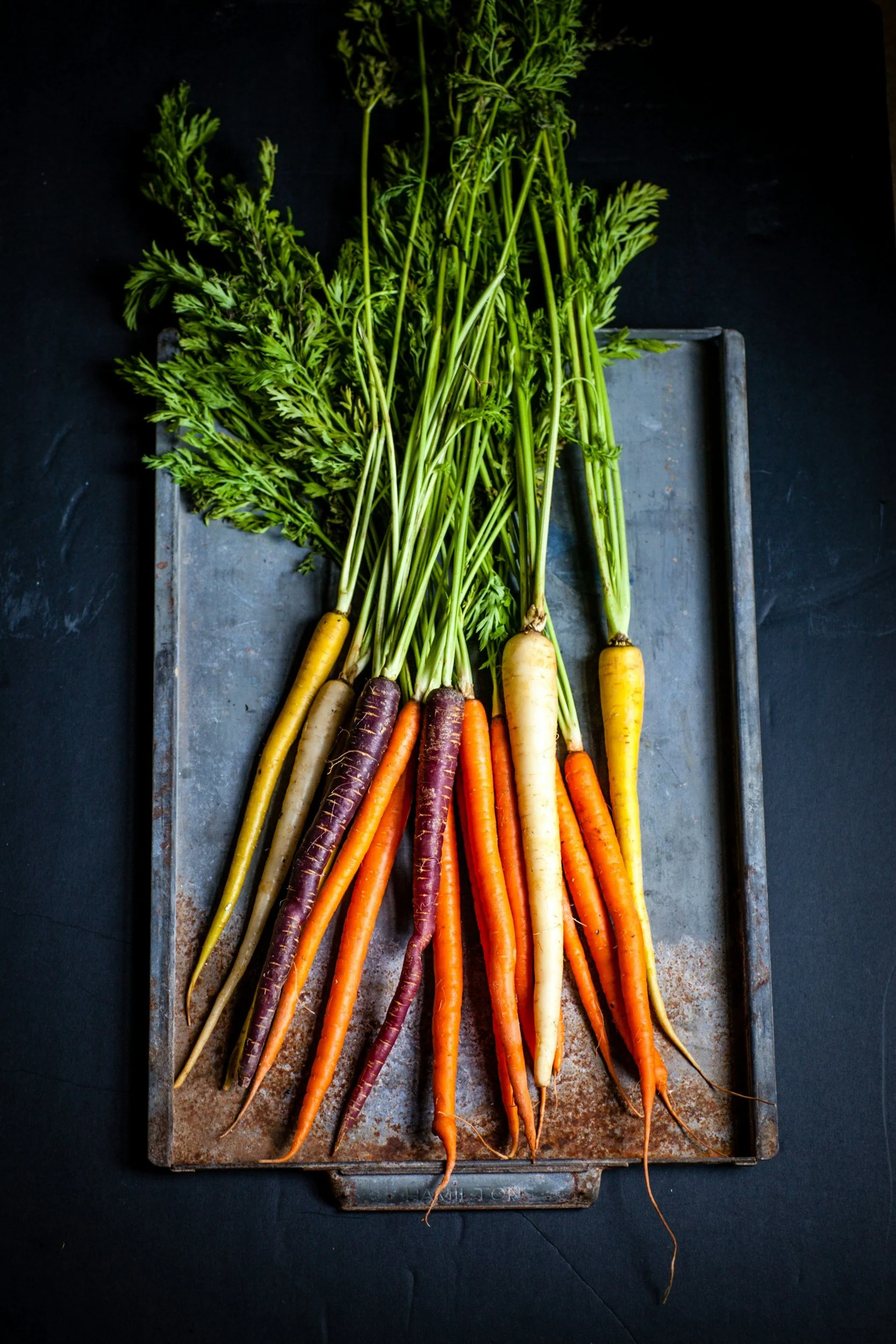
Carrot tops: Blend into pesto, add to salads, or sauté as a side dish.
Broccoli stems: Peel and slice for stir-fries, soups, or raw slaws.
Beet greens: Sauté with garlic, toss in salads, or add to smoothies.
Cauliflower leaves: Roast like chips or add to soups.
Celery leaves: Chop into salads, soups, or dressings for extra flavor.
Potato peels: Roast with olive oil and herbs for a crispy snack.
Even scraps like onion skins, carrot peels, and celery ends can be simmered into homemade vegetable broths, adding flavor while reducing waste.
3. Smart Storage for Longer Life
Keeping vegetables fresh is just as important as using them creatively. Here’s how to extend the life of your local produce:
Store greens in a damp towel or mason jar to keep leaves crisp.
Freeze herbs, broccoli florets, or zucchini for use later.
Pickle or ferment surplus cucumbers, cabbage, or carrots.
Use airtight containers to store chopped veggies for quick cooking.
A little prep work up front can save hours in the kitchen later — and prevents spoilage that leads to waste.
4. Planning & Meal Prep to Reduce Waste
Cooking with intention is another game-changer:
Batch cook: Roast or steam veggies in bulk for the week.
Portion control: Pre-portion produce for snacks or meals.
Veggie-first meal planning: Build your meals around what’s fresh and in-season.
Use scraps creatively: Carrot tops, onion skins, and mushroom stems can all be added to stocks, soups, or sauces.
Even simple steps like prepping ingredients when you get home from the market make it easier to cook quickly and reduce the temptation to toss produce.
5. Supporting Local Farmers While Reducing Waste
When you buy from local farms, you’re often getting freshest possible produce, which lasts longer and tastes better. Farmers also appreciate customers who:
Use the produce thoughtfully and creatively
Compost what can’t be eaten
Try new vegetables and experiment with recipes
This strengthens the local food system and keeps small farms thriving — a win for you and the community.
6. Recipe Ideas to Use It All
Root-to-Leaf Soup: Blend beet stems, carrot tops, and potato peels into a nourishing vegetable broth.
Veggie Pesto: Use carrot tops or beet greens blended with nuts, olive oil, and parmesan.
Crispy Veggie Chips: Slice broccoli stems, cauliflower leaves, or potato peels, toss with olive oil and spices, and roast.
Stir-Fry Sensation: Chop stems, leaves, and root vegetables into a quick sauté with garlic and soy sauce.
Experimenting with these recipes helps you discover new flavors while reducing waste.
Making the most of your veggies and eating seasonally isn’t just a trend — it’s a practical, sustainable, and delicious way to live. By embracing the full potential of every vegetable, you reduce waste, save money, and enjoy the freshest flavors Davidson County farms have to offer.
Next time you shop local, challenge yourself to use every part of your produce. Check out our Piedmont Fresh Food Hub to see what’s in season this week and start creating meals that are good for you, your community, and the planet!
