
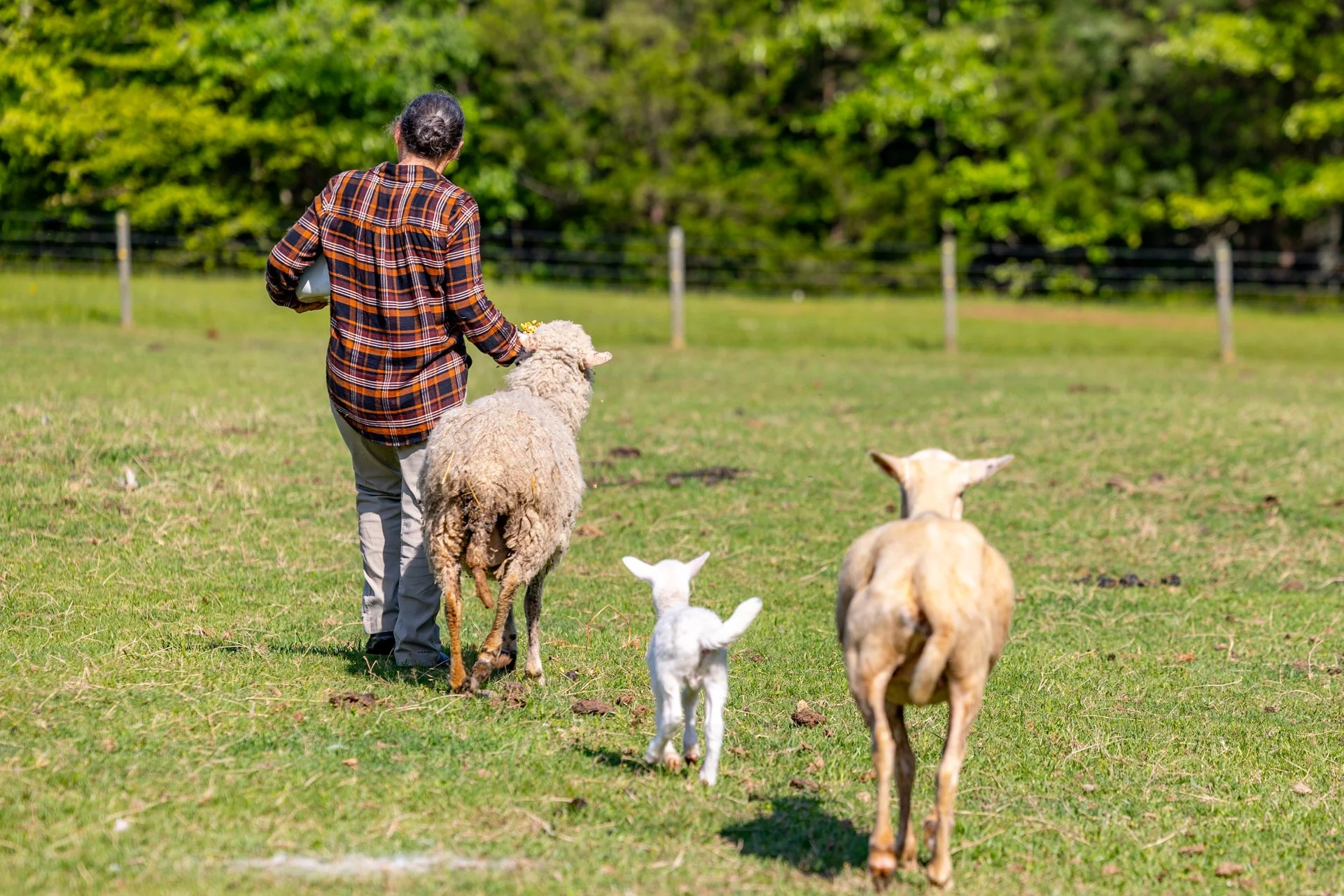
Worried About Where Your Food Comes From? Let's Talk About What's on Your Plate.
Organic. Free-range. Locally grown. Farm fresh. We see these words on grocery store shelves, restaurant menus, product labels, and advertisements every day. But what do they actually mean? And with food safety headlines making the news, how can you feel confident about the food you bring home to your family?
At Piedmont Fresh, we believe you deserve more than a label and a promise. You deserve to understand where your food comes from, how it's produced, and what those words on the package really mean.
We're a local food hub connecting our community with regional farmers and food producers. Transparency is a priority in that work. We want our shoppers to know who is behind their food, and we take producer requirements, applicable certifications, and documentation seriously.
Let's break down some of the most common food labels, talk about food safety, and explore why knowing your food's story matters.
What Do Those Food Labels Actually Mean?
Walk through a grocery store, and you'll find plenty of products marketed as organic, free-range, pasture-raised, natural, or locally grown. These terms can sound similar, but they don't all mean the same thing.
Understanding the differences helps you make informed choices based on what matters most to you.
Organic: What Does It Really Mean?
The USDA organic label refers to food produced according to specific federal organic standards. These standards address how crops and livestock are produced, including soil management, biodiversity, permitted substances, and restrictions on certain production practices.
For example, certified organic crop production follows rules governing which fertilizers and pest-control substances may be used. Organic livestock production has requirements for animal feed, living conditions, and access to the outdoors, among other standards.
But here's an important distinction: organic does not automatically mean pesticide-free, and it does not guarantee that food is free from harmful bacteria or parasites. Organic producers must follow their applicable standards, but food safety remains important regardless of how a product was grown.
Organic certification is meaningful because it provides a defined set of standards that producers must meet. It is not a guarantee that a food product is risk-free.
You can learn more from the USDA's Organic Certification and Labeling resources.
Free-Range: Does That Mean What You Think?
Free-range is a term commonly associated with poultry and eggs, but the details matter.
For poultry products regulated by the USDA's Food Safety and Inspection Service, a free-range claim must be supported by documentation about how the birds are raised, including their access to the outdoors.
However, free-range is not interchangeable with organic or pasture-raised. It doesn't automatically tell you everything about an animal's diet, the amount of time it spends outdoors, or every aspect of its living conditions.
The best approach is to look beyond the words on the package and learn what standards support the claim.
The USDA explains how animal-raising claims are substantiated in its guidance on animal-raising and environmental labeling claims.
Pasture-Raised, Natural, and Locally Grown
These are other terms shoppers frequently encounter, and each deserves a closer look.
Pasture-raised generally describes an animal-raising practice involving pasture access, but the exact meaning and verification depend on the claim and the standards supporting it. Don't assume that pasture-raised and free-range mean identical things.
Natural can have a specific meaning under certain food-labeling rules, but it does not automatically mean organic, locally produced, or raised using a particular farming method.
Locally grown tells you something about a product's geographic origin. It doesn't, by itself, establish whether the product is organic, whether a farm uses a particular growing practice, or whether a product has been independently certified.
That's why transparency matters. These terms can provide useful information, but they aren't substitutes for understanding the producer and the practices behind the product.
When Food Safety Headlines Make You Question What's Safe to Eat
It's hard not to feel concerned when a food safety alert appears in the news. Fresh produce is an important part of a healthy diet, but contamination can happen at different points along the food supply chain.
In 2026, a major multistate outbreak of cyclosporiasis was linked to iceberg lettuce from Taylor Farms de Mexico. According to the CDC's final outbreak update, the outbreak involved 12,883 reported cases across 21 states, 570 hospitalizations, and two deaths. The CDC declared the outbreak over on September 11, 2026, and the FDA closed its investigation on October 2.
The illness was caused by Cyclospora, a microscopic parasite that can spread through contaminated food or water. Previous U.S. outbreaks have also been associated with different types of fresh produce.
So, what does this mean for shoppers?
It means food safety deserves attention. It does not mean you should be afraid of every salad, fresh vegetable, or piece of fruit you eat.
Food contamination can occur during growing, harvesting, processing, handling, or distribution. Knowing where food comes from and how it moves through the supply chain can help people ask informed questions, but no single label or purchasing decision can eliminate every risk.
What Does Transparency Look Like at Piedmont Fresh?
We know that shoppers have choices. You can visit a grocery store, shop online, buy directly from a farm, or choose from many other sources of food.
What we want you to understand about Piedmont Fresh is that our work goes beyond putting local products in one convenient place.
As a food hub, we connect regional farmers and food producers with the people who want to buy their products. We take producer requirements seriously and work to ensure that the appropriate certifications, documentation, and other requirements are addressed for the products we offer.
Different products and operations have different requirements. A vegetable grower, a dairy producer, and a meat processor don't necessarily follow the same certification or regulatory process. We believe those differences matter, and responsible sourcing means understanding what applies rather than treating every product as if it follows identical rules.
We also believe in being honest about what a label does and doesn't tell you.
We don't want shoppers to assume that every product is certified organic if it isn't, or that every producer follows identical growing practices. We want you to be able to learn about the people behind the products and make choices that fit your needs and values.
Transparency isn't about claiming that food is perfect or that risks never exist. It's about asking questions, understanding the standards, taking responsibility seriously, and being willing to have honest conversations.
That's the kind of relationship we want to build with our producers and our community.
How to Protect Yourself When Preparing Fresh Produce
Whether you buy from Piedmont Fresh, a grocery store, a farm stand, or your own backyard garden, safe food handling is important.
The CDC and FDA recommend several everyday practices that can help reduce food safety risks:
Wash your hands. Use soap and water before and after handling fresh produce.
Rinse fruits and vegetables under clean, running water. Wash produce before eating, cutting, or peeling it.
Scrub firm produce. Use a clean produce brush for items such as cucumbers and melons.
Avoid washing produce with soap or bleach. These products are not recommended for cleaning fruits and vegetables.
Keep food preparation surfaces clean. Wash cutting boards, utensils, and countertops, and keep raw meat separate from produce that will be eaten uncooked.
Follow food safety alerts. If an official recall or warning applies to a product you have, follow the instructions provided by public health authorities.
One important note about Cyclospora: rinsing produce is a good food safety practice, but it may not reliably remove this particular parasite. That's why washing should be combined with attention to official food safety alerts and recall instructions.
For more guidance, visit the FDA's Selecting and Serving Produce Safely resource and the CDC's Cyclospora prevention guidance.
You Deserve to Know the Story Behind Your Food
At Piedmont Fresh, we believe a stronger local food system starts with relationships built on trust.
Our farmers and food producers work hard to grow, raise, and create products for our community. Our role as a food hub is to help connect their work with the people who want to support them while taking producer requirements and transparency seriously.
You shouldn't have to become a food-label expert to ask where your food comes from. You should be able to ask questions, understand the claims being made, and feel informed about the choices you make for yourself and your family.
So the next time you see the words organic, free-range, pasture-raised, or locally grown, take a moment to learn what they mean. Ask questions. Look for reliable information. And remember that supporting local food is about more than a label. It's about building relationships with the people who help feed our community.
At Piedmont Fresh, we're rooted in community and growing together, one connection at a time.
Ready to discover local products and the producers behind them?
Visit piedmontfresh.com to explore what's available through our food hub and support the regional farmers and food producers who help nourish our community.
Don't Just Take Our Word for It. Come Meet Your Farmers!
Still have questions about where your food comes from? We invite you to see for yourself!
At the Davidson County Local Food Network, we host our annual Davidson County Farm Tour to connect our community directly with the farmers and producers who help feed it. Our next Farm Tour is planned for May, and it's an opportunity to go beyond the grocery store shelves and see what local agriculture really looks like.
Meet the farmers. Visit their farms. Ask questions. Learn where your food is grown, how it's harvested, how animals are raised, and how food products make their way from the farm to your table. Depending on the participating farm, you may even learn about the processes involved in meat production and processing.
We believe transparency starts with connection. There's a difference between reading a label and having the opportunity to talk directly with the people responsible for producing your food.
Farming takes hard work, knowledge, and care. Our Farm Tour helps shine a light on that work while giving consumers a better understanding of the people, practices, and places behind local food.
We don't want you to support local farms simply because we tell you to. We want you to understand who you're supporting and why it matters.
So if you've ever wondered how your food is grown, where it comes from, or what happens before it reaches your plate, join us for our next Farm Tour in May!
Keep an eye on davidsoncountyfood.com for updates and opportunities to get involved.
Come curious. Ask questions. Get to know your farmers. 🌱