

How to Store Winter Produce and Keep It Fresh Longer
Make the most of your local food purchases with these simple storage tips.
As temperatures drop and winter produce makes its way into our kitchens, knowing how to store fruits and vegetables properly can make a big difference. The right storage conditions help preserve freshness, maintain quality, reduce food waste, and stretch your grocery budget.
Whether you're shopping at a local farm stand, visiting a farmers market, or ordering from a local food hub, a few simple habits can help you get the most out of your seasonal produce.
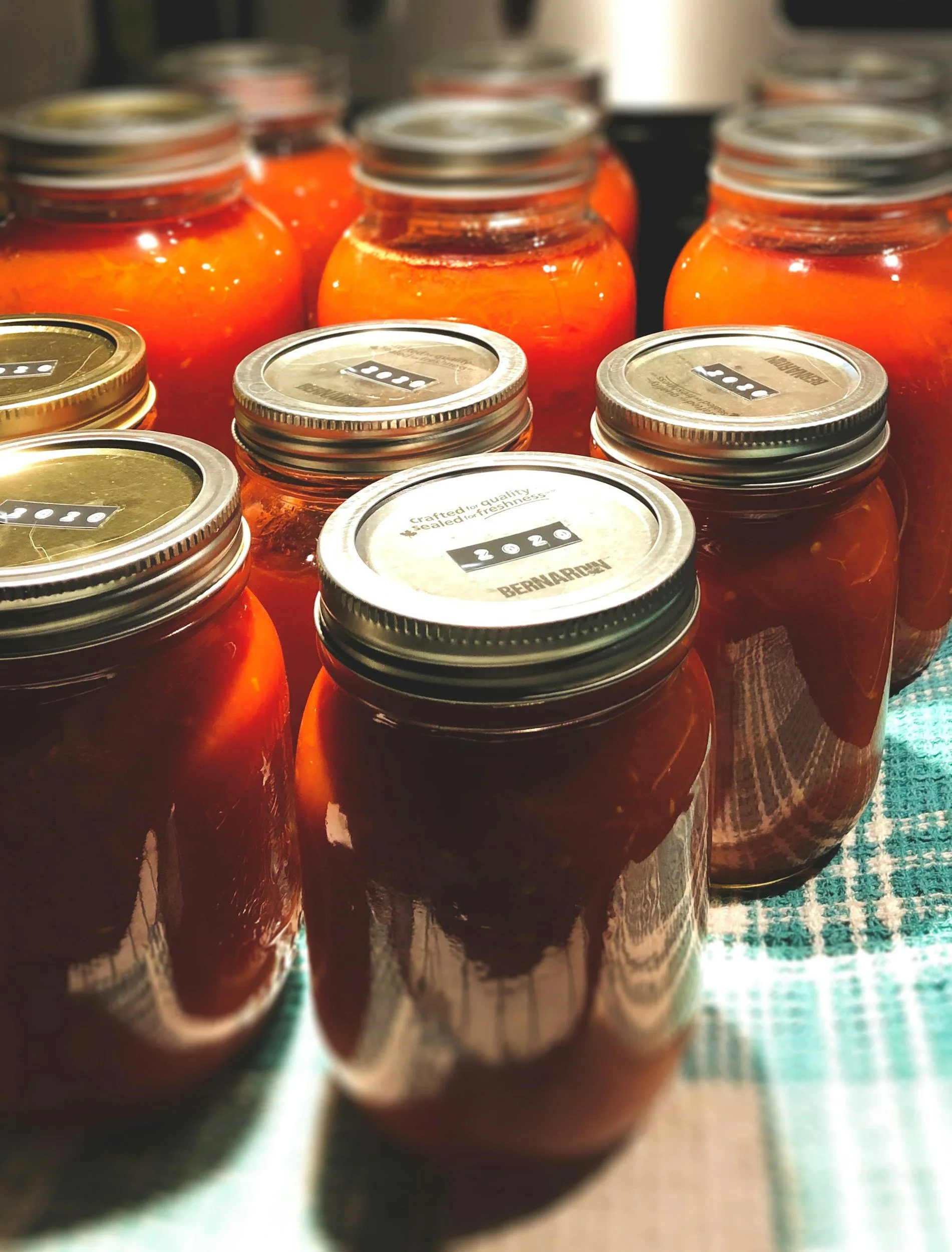
6 Winter Produce Storage Tips
1. Apples: Keep Them Cool
Apples generally stay fresh longer when stored in the refrigerator. Keep them in a produce drawer or a breathable bag, and check periodically for bruised or spoiled fruit. One bad apple really can affect the others!
2. Potatoes: Find a Cool, Dark Place
Store potatoes in a cool, dark, dry, well-ventilated location. A pantry or cabinet away from heat and sunlight can work well. Avoid storing potatoes with onions, as their storage conditions differ and they may contribute to faster spoilage when kept together.
Keep potatoes away from direct sunlight, which can cause greening. Discard potatoes that are extensively green, bitter, or heavily sprouted.
3. Onions and Garlic: Keep Them Dry
Whole onions and garlic bulbs prefer a cool, dry place with good airflow. Mesh bags, baskets, or other ventilated containers work well. Avoid sealing them in plastic or storing them somewhere damp.
Once cut or peeled, onions and garlic should be refrigerated in a covered container.
4. Winter Squash: Store Whole Squash Properly
Varieties such as butternut, acorn, and spaghetti squash can often be stored for weeks or even months when kept whole and in good condition. Choose a cool, dry, well-ventilated spot away from direct sunlight.
Check squash regularly for soft spots or signs of spoilage. Once cut, refrigerate the remaining squash in a covered container and use it within a few days.
5. Leafy Greens: Keep Them Crisp
Leafy greens such as kale, collards, and spinach last longer when refrigerated promptly. Remove damaged leaves and gently wash and dry the greens if you plan to store them washed. Excess moisture can encourage spoilage, so use a clean container or bag lined with a paper towel to absorb moisture.
Keep greens in the refrigerator's crisper drawer and replace damp paper towels as needed.
6. Carrots: Remove the Tops
If your carrots come with green tops attached, remove the tops before storage. The greens can draw moisture from the roots, causing carrots to become limp more quickly.
Refrigerate the roots in a bag or container. If they begin to lose their crispness, check for spoilage before use. Fresh carrot tops can also be used in certain recipes, such as pesto, when they are fresh and in good condition.
Make Your Produce Last Even Longer
Good storage starts before you get home. Here are a few additional habits to keep in mind:
Inspect produce regularly. Remove spoiled or damaged pieces before they affect nearby produce.
Avoid washing everything too early. Unless you plan to dry it thoroughly, wait to wash delicate produce until you're ready to use it.
Use your refrigerator wisely. Most fresh produce that needs refrigeration should be kept at 40°F or below.
Freeze what you cannot use in time. Many vegetables can be blanched and frozen for later meals. Some fruits can be frozen directly after preparation.
Plan meals around what you already have. Use the most perishable items first and save longer-lasting produce for later in the week.
Remember that different varieties have different storage needs, and produce freshness can vary depending on how it was harvested and handled.