
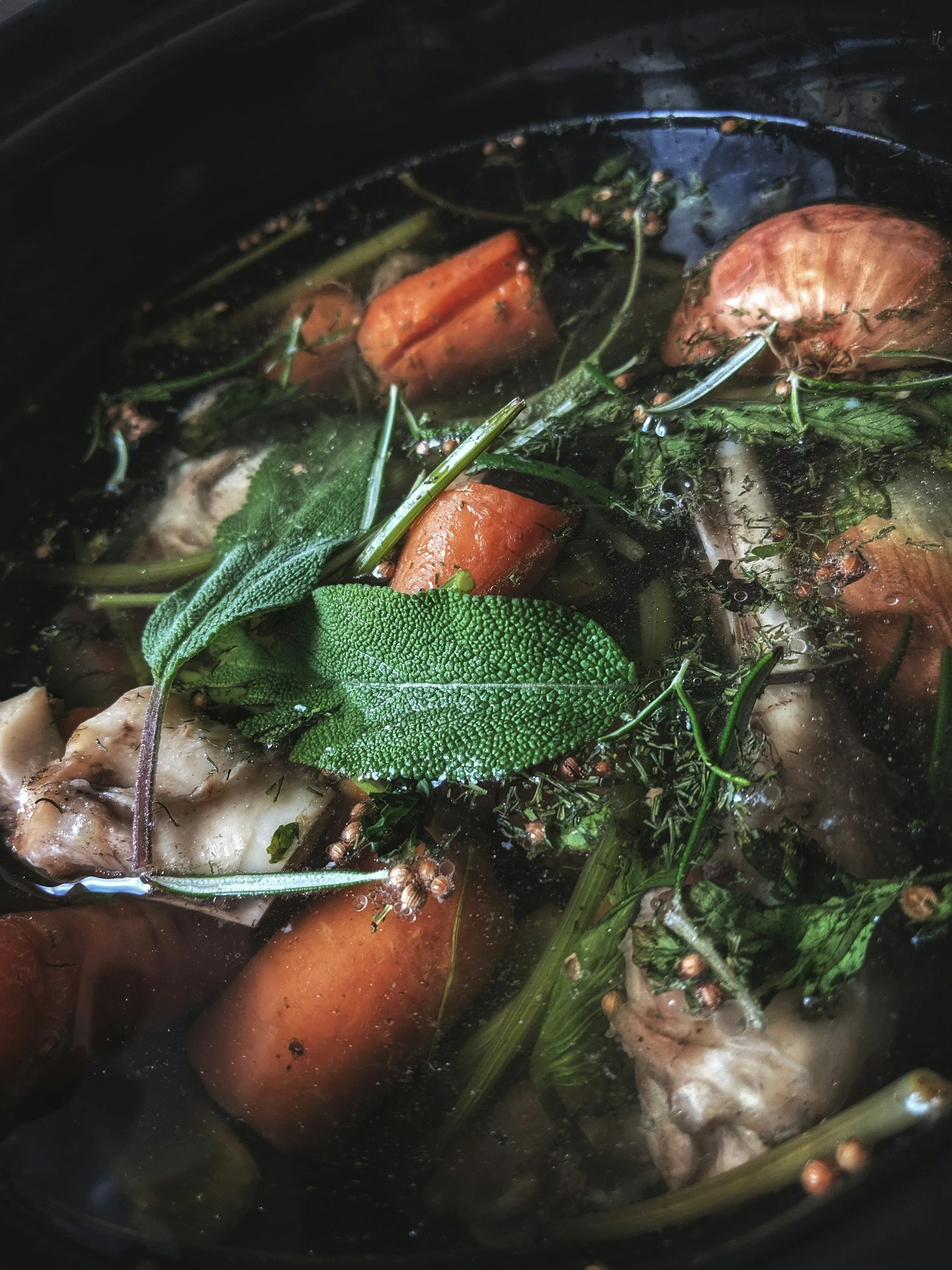
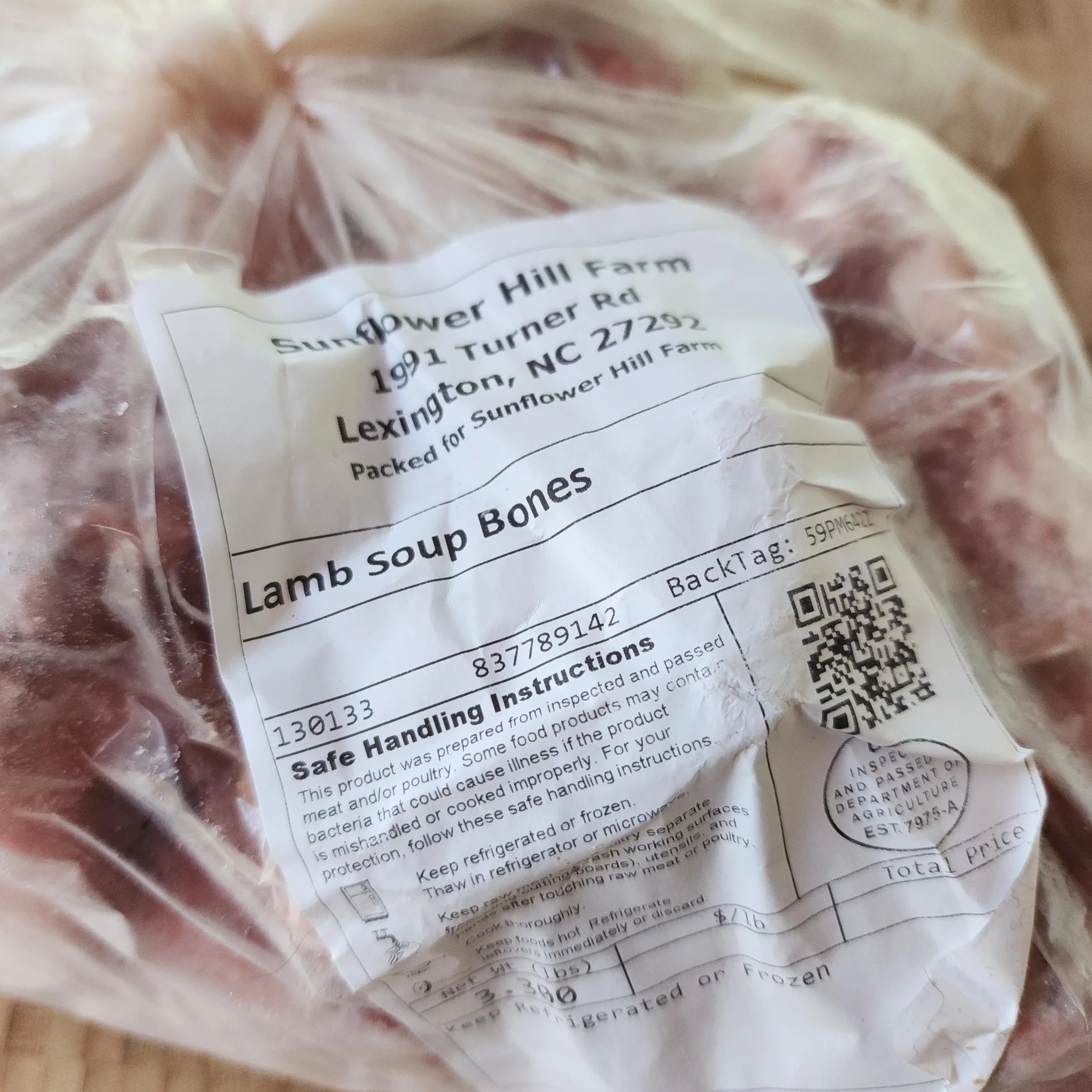
Make delicious mutton bone broth with this 2.75 to 3 lb. bag of bones.
Bone Broth 101: A Simple Way to Make the Most of Local Ingredients
Bone broth is one of those kitchen staples that has been around for generations—and for good reason. It’s warm, versatile, and a great way to make the most of ingredients you may otherwise overlook.
Made by slowly simmering bones with water, vegetables, herbs, and seasonings, bone broth develops a rich flavor that can be enjoyed on its own or used as the base for soups, stews, sauces, gravies, and more.
Bone broth also contains nutrients released from bones and connective tissue during cooking, including protein and minerals. While you may hear plenty of big health claims surrounding bone broth, its nutritional content can vary depending on the ingredients and how it’s prepared.
Make Your Own at Home
Making bone broth doesn’t have to be complicated. Start with locally sourced beef, pork, or chicken bones and add simple ingredients you probably already have in your kitchen—onion, carrots, celery, garlic, herbs, and water. Let everything simmer low and slow, strain, and you have a homemade broth ready for your next meal.
It’s also a great example of using more of what our local farmers produce and reducing food waste in the kitchen.
Keep It Local
When shopping Piedmont Fresh, keep an eye out for locally raised meats and other ingredients that can help you build your own broth from scratch. Pair your bones with seasonal vegetables and herbs from local producers, and suddenly one simple batch of broth becomes the starting point for several meals.
Local food doesn’t have to be complicated—it can be as simple as making the most of what you already have.
I actually like this direction better than repeating the original claims like “lessen joint pain” or “reduce stress,” because those get into health-claim territory that I'd be careful about putting on PF's website. We can still say why people like bone broth without promising it treats anything.
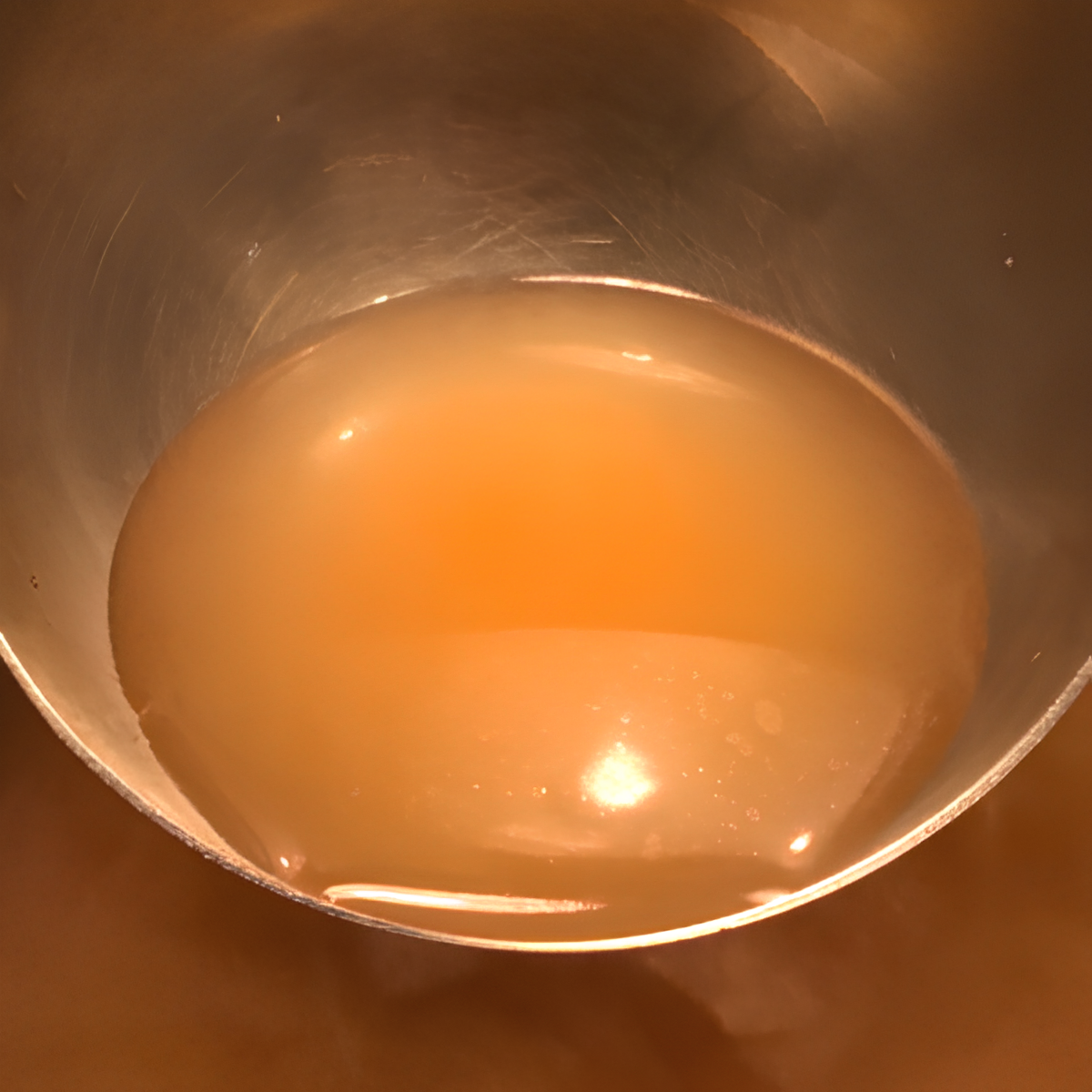
Crossings Chicken Broth