• Mission
    • Our Impact
    • Staff
    • Piedmont Fresh
    • Our Producers
    • Our Programs
    • OUR BLOG
    • Food Resources
    • Beginner Farmer
    • Funding Resources
    • Farm Emergency Resources
    • Calendar
    • Farm Workshops
    • Farm Tour 2026
  • Local Food Guide
    • Opportunities
    • Give Today
    • Community Gardens
    • Master Gardener Volunteers
Menu

Davidson County Local Food Network

Street Address
City, State, Zip
Phone Number

Your Custom Text Here

Davidson County Local Food Network

  • About Us
    • Mission
    • Our Impact
    • Staff
  • Food Hub
    • Piedmont Fresh
    • Our Producers
    • Our Programs
  • Resources
    • OUR BLOG
    • Food Resources
    • Beginner Farmer
    • Funding Resources
    • Farm Emergency Resources
  • Events
    • Calendar
    • Farm Workshops
    • Farm Tour 2026
  • Local Food Guide
  • Get Involved
    • Opportunities
    • Give Today
    • Community Gardens
    • Master Gardener Volunteers

What’s Your Beef? Understanding Meat Labels and Quality

October 12, 2025 Jessica Rogers

The way an animal lives has a big impact on both the flavor and quality of the meat it produces. Age, diet, and even the cut of meat all contribute to subtle differences in taste and texture. For example, younger and older animals produce different meat profiles, and even different cuts from the same animal offer unique flavors.

All cattle start life grazing on grass, but it’s the last four to six months that really defines the difference between grass-finished and grain-finished beef. How a cow is finished affects flavor, fat quality, and texture. While the “best-tasting” beef is subjective, healthier beef depends not just on fat quantity, but also on fat quality.

Understanding Meat Labels

Meat labels can be confusing, so here’s a breakdown of common terms you may encounter:

Grain-Finished

  • Cows are fed grain in the last four to six months of life, often in a feedlot.

  • Some pasture-raised cattle may receive supplemental grain during this period.

Grass-Finished

  • Cattle graze on pasture for their entire lives.

  • No standard exists regarding herbicide or pesticide use on pastures.

Naturally Raised

  • Certified by USDA’s Agricultural Marketing Service.

  • No antibiotics, preservatives, or added hormones.

  • Can be grain-finished or grass-finished.

  • Does not mean the beef is organic.

Certified Organic

  • Can be grain-finished or grass-finished.

  • Feed must be 100% organic, with no GMOs.

  • Must be processed at a USDA-certified organic meat processor.

  • Certified by USDA’s Agricultural Marketing Service.

Certified organic beef can be tricky—many farmers raise cattle organically but cannot label it as USDA-certified organic if the meat processor they use is not certified organic. For ranchers in North and South Carolina, finding a certified organic processor nearby can be difficult. As a result, many farmers market their products as local and pasture-raised instead.

Local

  • “Local” has no standardized definition. It generally means raised within a distance that consumers consider reasonable.

  • Local does not automatically mean organic or sustainably raised.

  • Be cautious: some beef labeled “local” may only spend a short time on a nearby farm before being processed.

Choosing Meat Responsibly

If you want to consume meat responsibly, it’s important to be an informed shopper. Visit farmers markets, ask questions, and get to know your farmers. Understanding where your meat comes from and how it’s raised helps support sustainable local food systems—and ensures you’re enjoying high-quality, flavorful beef.

For more resources and to explore beef cuts interactively, check out:
  • Beef Checkoff Source: Organic Prairie

  • Interactive Butcher Counter—Beef Cuts

Feature Recipe: Creamy Roasted Winter Squash Pasta

October 11, 2025 Jessica Rogers

A cozy, versatile dish that celebrates the best of fall. Smooth roasted squash blends with sage, thyme, and garlic for a rich, velvety sauce — perfect over your favorite pasta.

Ingredients

  • ½ small butternut squash, halved and seeded

  • (or use acorn, delicata, kabocha, seminole, or pumpkin)

  • 2 shallots, coarsely chopped

  • 3 garlic cloves, unpeeled

  • 2 tbsp olive oil, plus more for drizzling

  • Sea salt & black pepper

  • ¾ cup water

  • Vegan option: ½ cup raw cashews + 1 tbsp nutritional yeast

  • Non-vegan option: ½ cup half-and-half or heavy cream

  • 1 tbsp balsamic vinegar

  • 10 fresh sage leaves

  • 1 tbsp fresh thyme leaves

  • ¾ tsp sea salt, plus more to taste

  • For serving: 12 oz spaghetti (or favorite pasta), reserved cooking water

Instructions

  1. Roast: Preheat oven to 425°F. Drizzle squash with olive oil, salt, and pepper. Roast cut-side down on parchment for ~30 minutes, or until tender. Wrap shallots and garlic in foil with olive oil and roast alongside.

  2. Blend: Scoop out 1 cup roasted squash. Peel garlic and add to blender with shallots, water, olive oil, balsamic vinegar, sage, thyme, salt, and pepper. Add cashews + nutritional yeast (vegan) or half-and-half (non-vegan). Blend until smooth.

  3. Toss: Cook pasta, reserve 1 cup water, then combine with sauce. Add pasta water gradually until creamy and smooth. Adjust salt to taste.

  4. Serve: Top with thyme, pepper, and optional sides — sautéed broccoli, roasted cauliflower, Brussels sprouts, or a simple green salad.

Tips

  • Swap the squash: Each variety adds its own flavor twist.

  • Make ahead: Sauce keeps 3 days refrigerated or 3 months frozen.

  • Boost flavor: Try red pepper flakes or grated Parmesan (or vegan Parmesan).

  • Versatile: Delicious over gnocchi, roasted veggies, or grain bowls.

Preserving the Harvest

Want your local squash and pumpkins to last?

Check out “Preserving Pumpkins and Winter Squash” — our quick guide to storing, roasting, and freezing local squash for months of meals.

Shop Local. Eat Seasonal. Stay Cozy.

Support our farmers through the cooler months — shop seasonal produce, dairy, meats, and handmade goods at Piedmont Fresh.

Stay connected with your local food community all winter long.

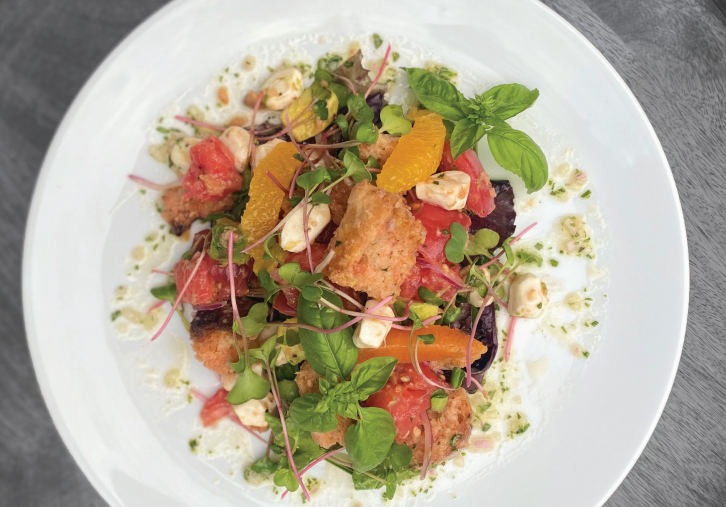
Panzanella Salad Recipe

October 7, 2025 Jessica Rogers

Orange Tarragon Vinaigrette

Ingredients:

  • 2 Tbsp minced shallots

  • 3 Tbsp Dijon mustard

  • 2/3 cup fresh-squeezed orange juice

  • 1/4 cup apple cider vinegar

  • 2 1/2 cups extra virgin olive oil

  • 1/4 cup fresh tarragon, minced

  • Salt and pepper, to taste

Instructions:

  1. Whisk together the minced shallots and Dijon mustard in a bowl.

  2. Slowly whisk in the orange juice and apple cider vinegar.

  3. Gradually drizzle in the olive oil while whisking to emulsify the dressing.

  4. Stir in the minced tarragon and season with salt and pepper.

  5. Stir or shake before each use.

Panzanella Salad

Ingredients:

  • 4 thick slices sourdough bread, diced into large chunks

  • 3 large heirloom tomatoes, diced

  • Thinly sliced red onion

  • 8 oz fresh mozzarella, torn or diced

  • 3 avocados, diced

  • Microgreens and spring mix

  • Orange Tarragon Vinaigrette (from above)

  • Optional: orange segments for garnish

Instructions:

  1. Toss the bread chunks with butter, salt, and pepper, then lightly toast until crispy (like croutons).

  2. In a large bowl, combine the toasted bread, diced tomatoes, and sliced red onions.

  3. Add the mozzarella, diced avocados, and microgreens.

  4. Toss with some of the vinaigrette, reserving extra for serving.

  5. Mix some spring mix with vinaigrette and plate as a base.

  6. Serve the Panzanella salad on top of the greens.

  7. Garnish with a drizzle of vinaigrette and optional orange segments.

Serves: 6–8

This salad is a perfect balance of fresh, creamy, and zesty flavors—ideal for highlighting local, seasonal produce. The vinaigrette adds a bright citrus-herb punch that keeps every bite exciting.

← Newer Posts Older Posts →
 

Davidson County Local Food

OUR MISSION

NEWSLETTER

EVENTS

OUR BLOG

Piedmont Fresh

ABOUT US

OUR PRODUCERS

SHOP NOW

PF NEWSLETTER


Davidson County Local Food Network is a 501c(3) non-profit organization. Any donations made to the DAVIDSON COUNTY LOCAL FOOD NETWORK are tax-deductible.

©2014-2025 DAVIDSON COUNTY LOCAL FOOD NETWORK