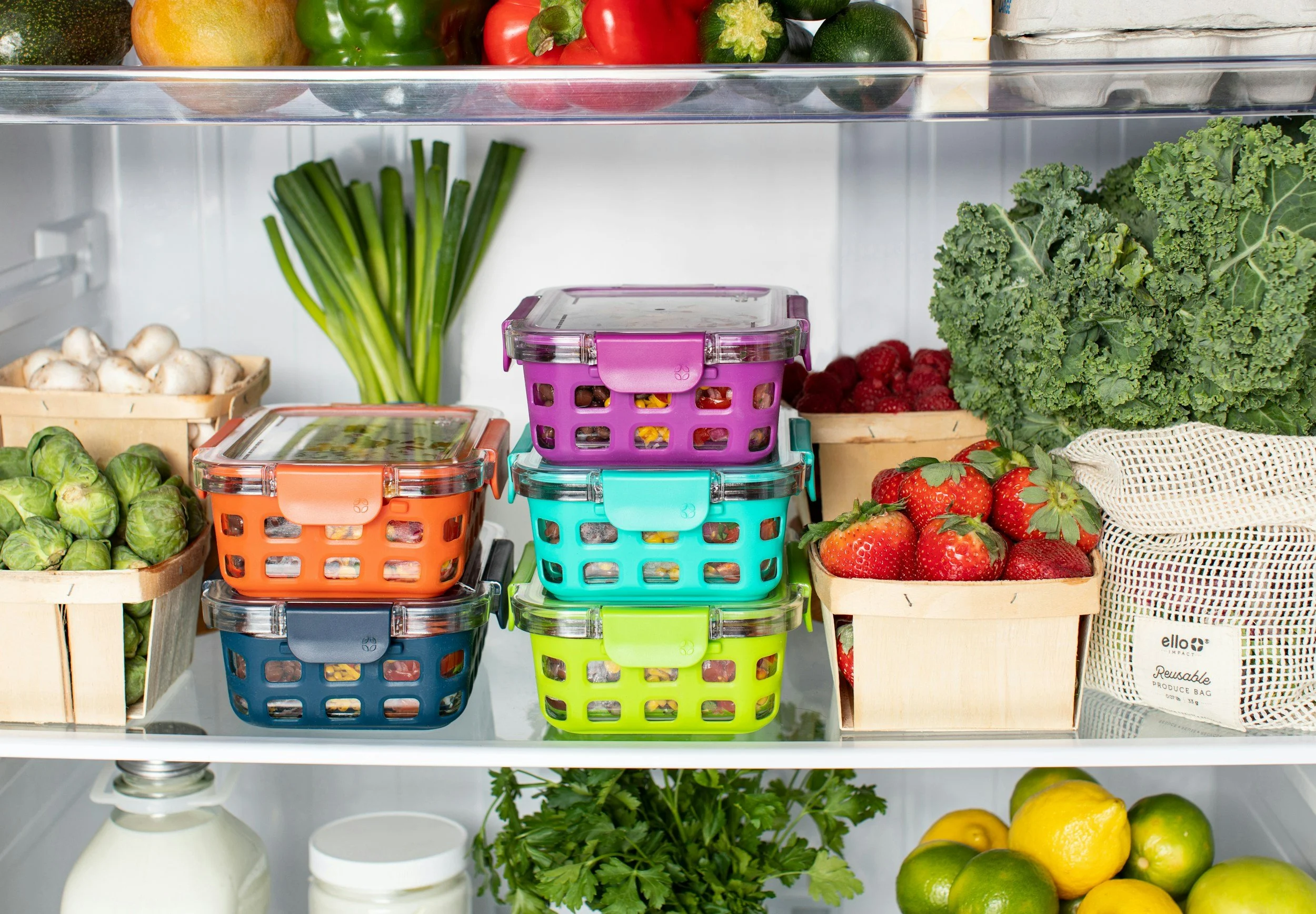
A Fall Guide to Making Your Local Produce Last Longer
Fall in North Carolina brings an abundance of fresh, flavorful produce. Apples, sweet potatoes, leafy greens, squash, peppers and root vegetables are just a few of the foods that may appear throughout the season. When you purchase locally grown produce, proper storage can help you enjoy it longer, reduce food waste and make the most of every order.
Availability changes throughout the season and from one farm to another, but these practical tips can help you care for many fall favorites.
Before You Put Everything Away
A few simple habits can make a big difference:
Wait to wash most produce until you are ready to use it. Extra moisture can encourage mold and spoilage.
Check produce regularly and remove damaged or spoiled pieces before they affect the rest.
Keep your refrigerator between 34°F and 39°F.
Use perforated produce bags when airflow is needed. Completely sealed bags can trap condensation.
Remember that not every fruit or vegetable belongs in the refrigerator.
Apples and Pears
Store apples unwashed in the refrigerator, preferably in a perforated produce bag. Apples release ethylene gas, which can cause nearby produce to ripen and deteriorate more quickly, so give them some space when possible.
Firm pears can remain at room temperature while they ripen. Once they are ripe, move them to the refrigerator to give yourself a little more time to enjoy them.
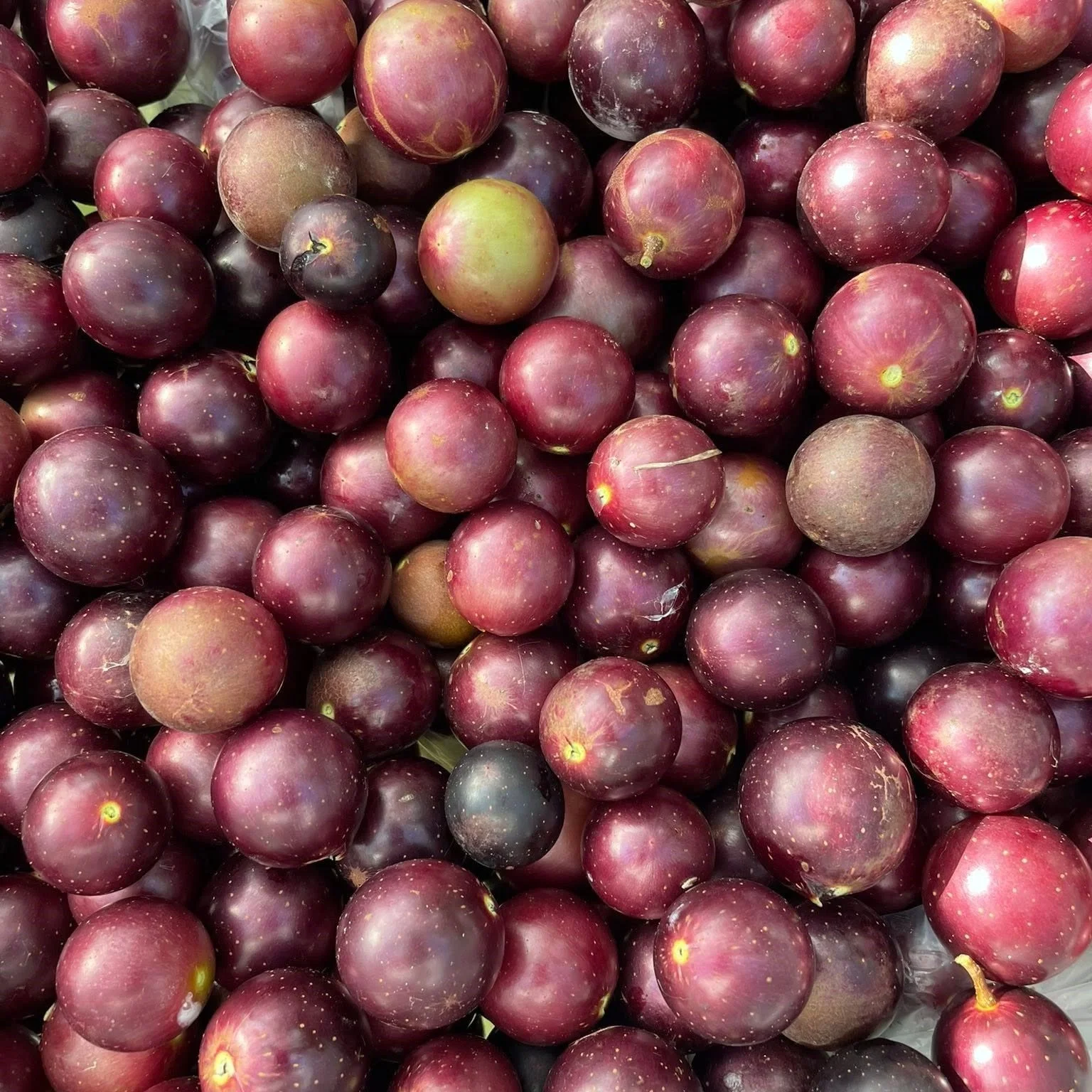
Fresh muscadine grapes bursting with naturally sweet, juicy flavor and a hint of the rich musky taste they're known for. Enjoy them fresh as a healthy snack, add them to fruit salads, or use them to make jams, jellies, juice, or homemade wine. Packed in a convenient pint and harvested at the peak of the season.
Muscadine
Keep muscadines unwashed in a ventilated container in the refrigerator. Sort through them first and remove any damaged grapes. Wash them just before eating.
Sweet Potatoes and Potatoes
Sweet potatoes do best in a cool, dark, dry and well-ventilated place. Avoid storing them in the refrigerator or inside a tightly sealed plastic bag.
Regular potatoes also prefer a cool, dark location with good airflow. Keep them away from onions and apples, which can contribute to faster spoilage or changes in quality.
Pumpkins and Winter Squash
Whole pumpkins and winter squash can last surprisingly well when kept in a cool, dry area with good airflow. Check them occasionally for soft spots, and avoid storing them directly on damp surfaces. Once cut, wrap or cover the pieces and refrigerate them.
Broccoli, Cauliflower and Cabbage
Broccoli and cauliflower should be refrigerated unwashed in a loose or perforated bag. They are best used relatively soon while their texture and flavor are at their peak.
Keep cabbage whole and unwashed in the refrigerator's crisper drawer. Remove the outer leaves only when you are ready to prepare it.
Collards, Kale and Other Leafy Greens
Remove any damaged leaves, then wrap the greens loosely in a slightly damp paper towel and place them in a bag or covered container in the refrigerator. Too much water can cause decay, but a little humidity helps prevent wilting. Wash greens thoroughly before preparing them.
Carrots, Beets, Radishes and Turnips
If your root vegetables still have their leafy tops, remove the tops before storage. The leaves continue drawing moisture from the roots, causing them to soften faster. Refrigerate the roots in a produce bag or covered container and store the edible greens separately.
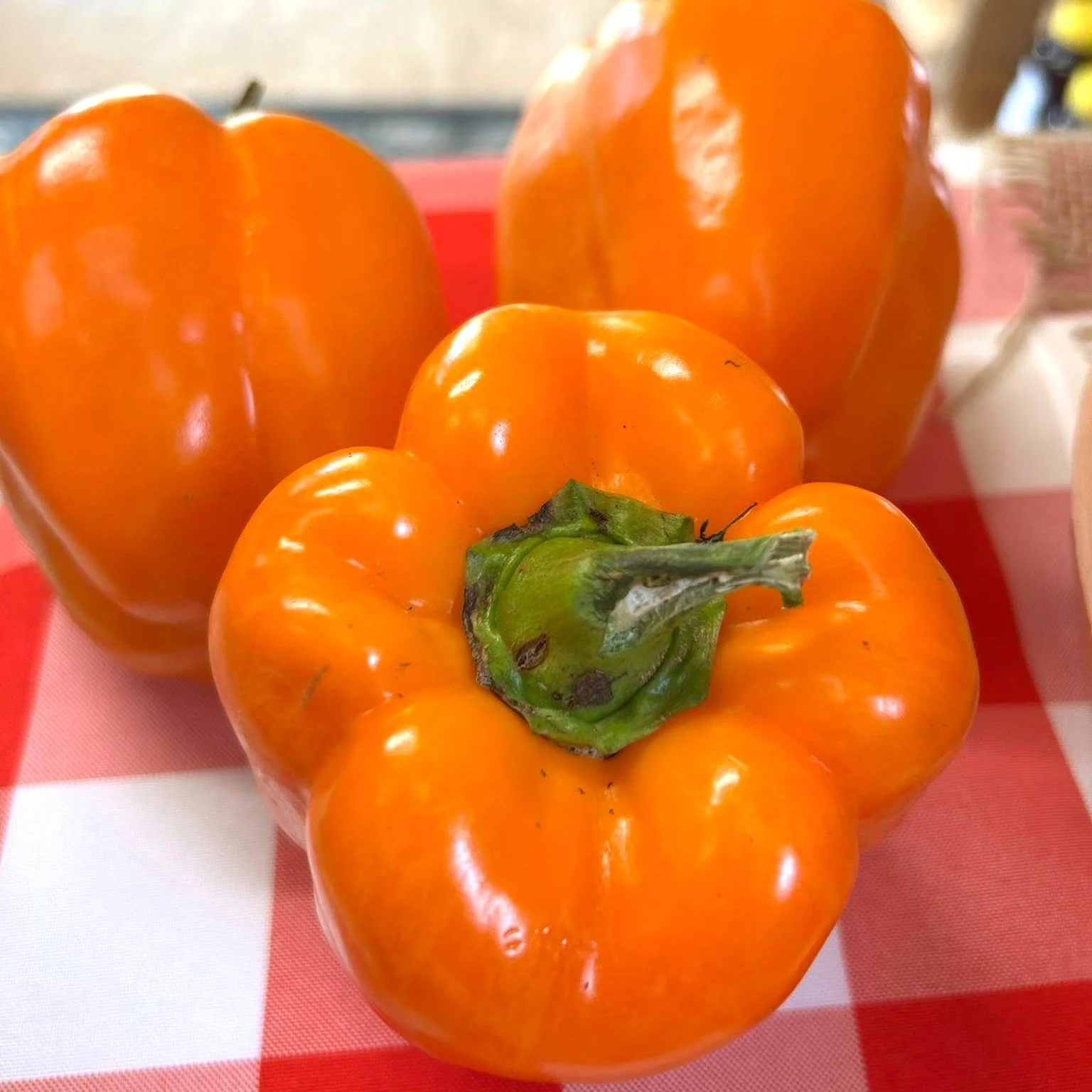
Sweet orange bell peppers with crisp, juicy flesh and vibrant color. These versatile peppers are delicious raw in salads and veggie trays or roasted, grilled, sautéed, or stuffed for a variety of fresh, flavorful meals. Locally grown and harvested for peak freshness.
Peppers, Eggplant and Okra
Keep peppers whole, dry and unwashed in the refrigerator's crisper drawer.
Eggplant is more sensitive and is best enjoyed soon after purchase. Store it loosely wrapped in the refrigerator if you cannot use it right away.
Okra should also be kept dry and used within a few days. Refrigerate it unwashed in a breathable bag, since excess moisture can quickly affect its quality.
Tomatoes, Summer Squash and Zucchini
North Carolina's warm-season produce often continues into early fall. Keep tomatoes at room temperature and away from direct sunlight for the best flavor. If they become fully ripe before you can use them, refrigeration can provide a little extra time.
Store summer squash and zucchini unwashed and dry in a perforated bag in the refrigerator. For the best quality, plan to use them within several days.
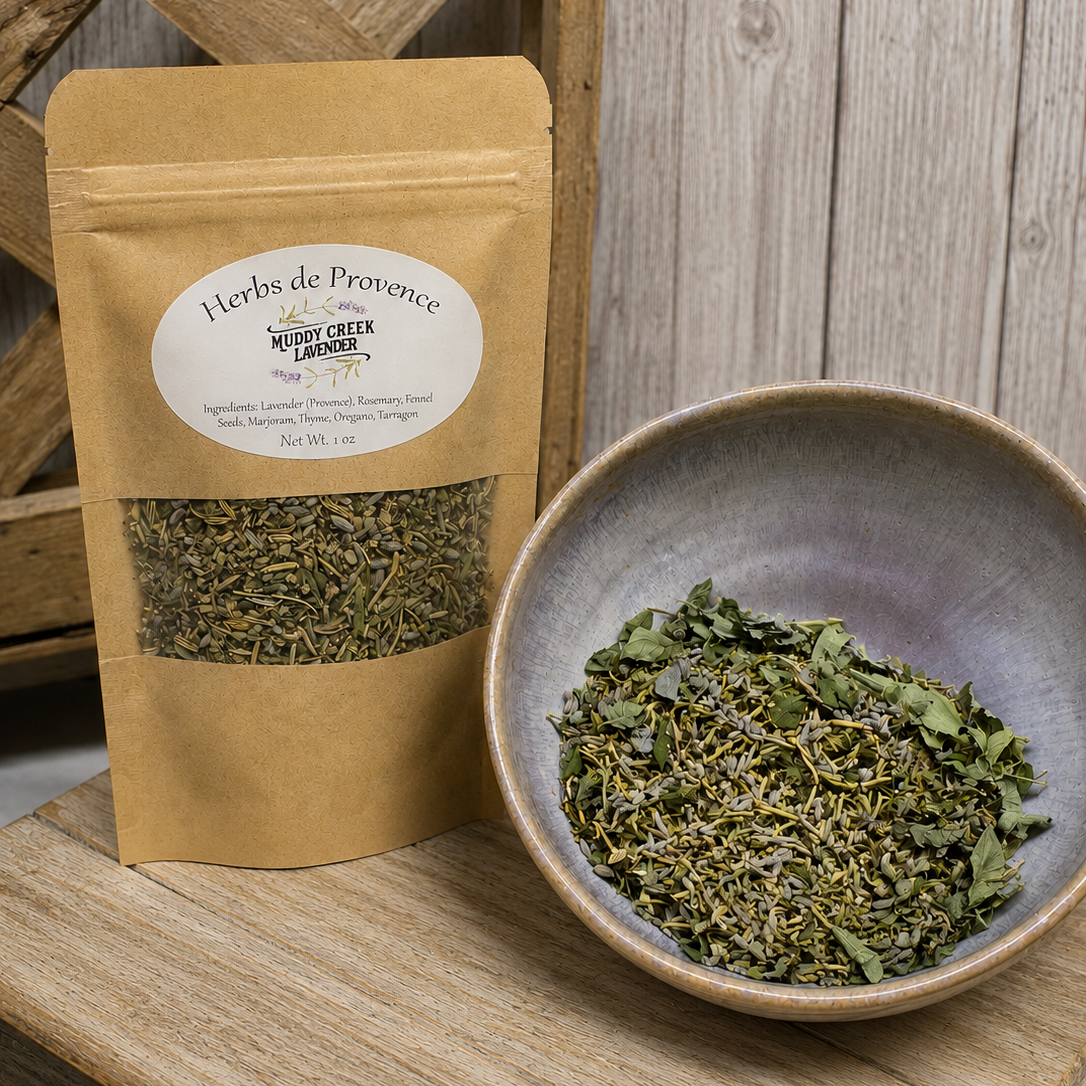
This handcrafted Herbs de Provence blend combines farm-grown lavender with rosemary, fennel seed, marjoram, thyme, oregano, and tarragon. Its savory, lightly floral flavor is delicious with roasted meats, vegetables, potatoes, soups, and homemade bread. A versatile seasoning for everyday cooking.
Fresh Herbs
Many sturdy herbs can be treated like a bouquet: trim the ends, place the stems in a jar with a small amount of water and cover them loosely. Basil is an exception and generally keeps better at room temperature, away from cold refrigerator temperatures.
Preserve What You Cannot Use
If you have more produce than you can eat while it is fresh, freezing, drying, pickling or canning may help extend the harvest. Many vegetables should be blanched before freezing to protect their color, flavor and texture. Always follow a trusted, tested food-preservation recipe, particularly when canning.
Enjoy North Carolina's Fall Harvest
Proper storage helps protect the care that local farmers put into growing and harvesting your food. It also stretches your grocery budget, reduces waste and gives you more time to turn seasonal ingredients into meals your family will enjoy.
Piedmont Fresh's selection changes from week to week based on what our local producers are harvesting. Check the online market each Friday to see what is fresh, place your order by Monday at 11:59 PM and enjoy locally grown and produced foods at Thursday pickup.