• Mission
    • Our Impact
    • Staff
    • Piedmont Fresh
    • Our Producers
    • Our Programs
    • OUR BLOG
    • Beginner Farmer
    • Farm Emergency Resources
    • Food Resources
    • Calendar
    • Farm Workshops
    • Farm Tour 2026
  • Local Food Guide
    • Careers
    • Volunteer
    • Give Today
    • Community Gardens
    • Master Gardener Volunteers
Menu

Davidson County Local Food Network

Street Address
City, State, Zip
Phone Number

Your Custom Text Here

Davidson County Local Food Network

  • About Us
    • Mission
    • Our Impact
    • Staff
  • Food Hub
    • Piedmont Fresh
    • Our Producers
    • Our Programs
  • Resources
    • OUR BLOG
    • Beginner Farmer
    • Farm Emergency Resources
    • Food Resources
  • Events
    • Calendar
    • Farm Workshops
    • Farm Tour 2026
  • Local Food Guide
  • Get Involved
    • Careers
    • Volunteer
    • Give Today
    • Community Gardens
    • Master Gardener Volunteers

Regenerative Agriculture: What It Means

June 19, 2026 Jessica Rogers

Regenerative Agriculture: What It Means and Why It’s Everywhere Right Now with a North Carolina Perspective

Regenerative agriculture is showing up more and more in farming conversations, but what does it actually mean?

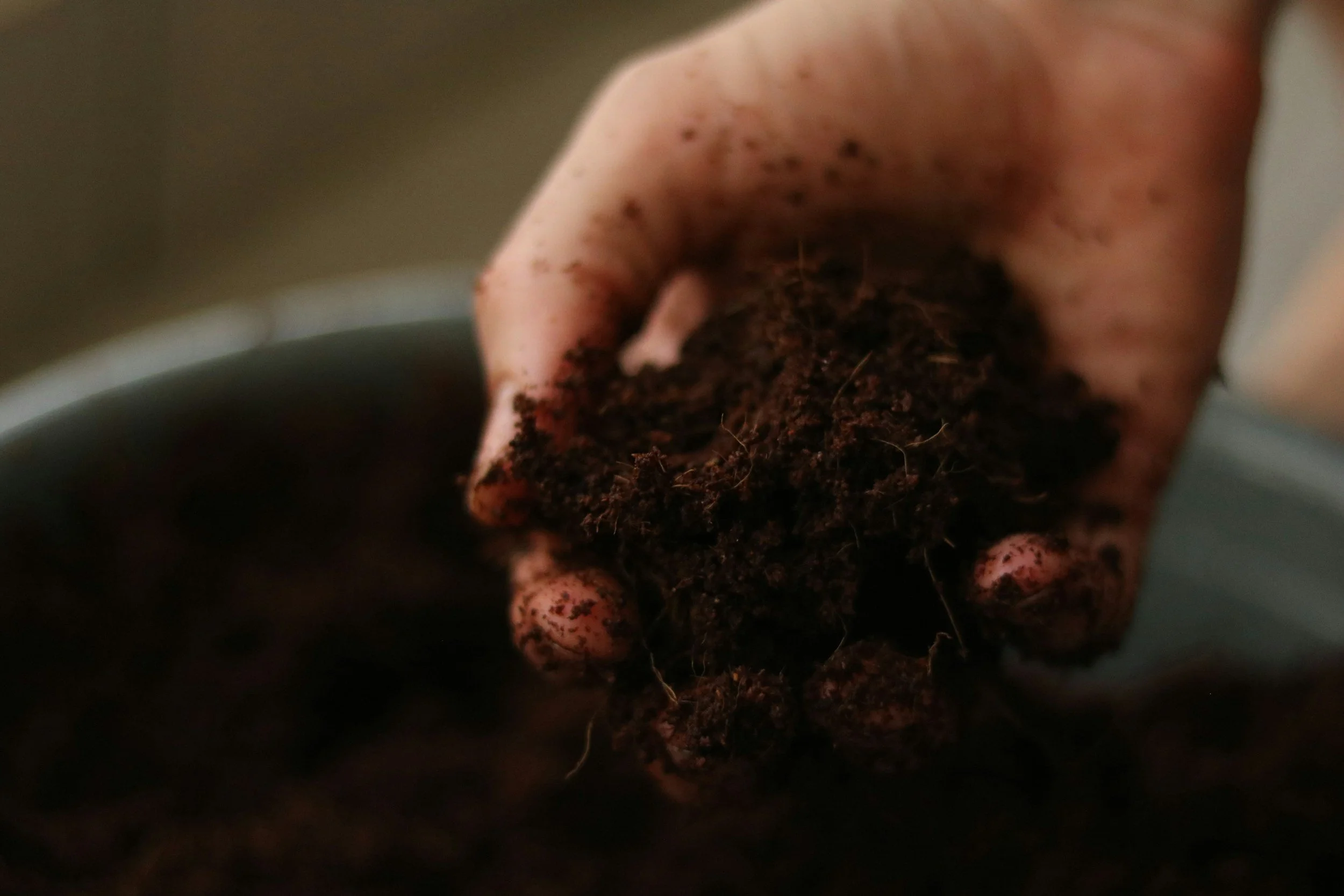
At its simplest, regenerative agriculture is a way of farming that focuses on improving the health of the land instead of just using it. The goal is to rebuild soil health, improve water retention, increase biodiversity, and support long-term farm productivity.

In North Carolina, this conversation is already active through Extension programs, farmer-led coalitions, and on-the-ground research.

Soil health is the foundation

North Carolina State University Extension defines soil health as the ability of soil to function as a living system that supports plant and animal life while maintaining environmental quality. Healthy soils regulate water, cycle nutrients, and support resilient crop production. https://soilmanagement.ces.ncsu.edu/soil-health/

That definition aligns closely with regenerative agriculture’s focus, since both center on soil function as the foundation of agricultural systems.

Across North Carolina research and Extension work, soil health is consistently tied to water infiltration and retention, nutrient cycling, erosion prevention, and long-term farm resilience.

What regenerative practices look like in North Carolina

Research and Extension programs in North Carolina highlight many practices associated with regenerative agriculture, including cover cropping, reduced tillage or no-till systems, crop rotation, composting and organic amendments, and integrating livestock into cropping systems.

These practices are studied and supported through organizations such as North Carolina State University Extension and the Center for Environmental Farming Systems, which focus on building more resilient and sustainable farming systems through soil-centered approaches. https://cefs.ncsu.edu/
Farmers in North Carolina are already doing this work

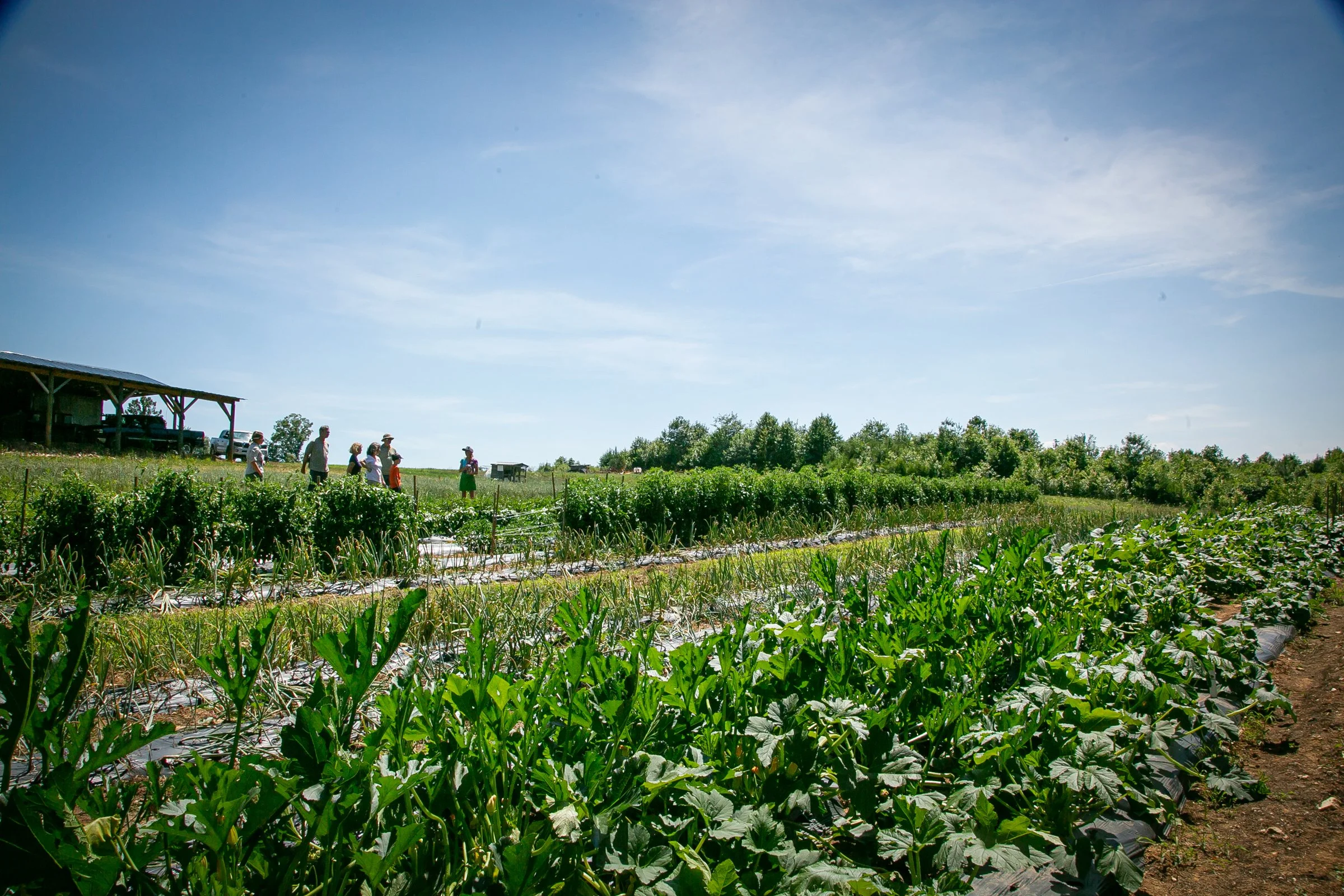
Across the state, regenerative practices are not theoretical. They are already in use on working farms.

The North Carolina Soil Health Coalition highlights farmers using no-till systems, cover crops, and rotational grazing to improve soil health and reduce input costs. Many farmers report that improving soil health helps increase resilience during unpredictable weather and reduces long-term reliance on external inputs. https://www.ncsoilhealth.org/

One consistent theme across farmer-led networks in North Carolina is that starting small is often the most practical way to begin improving soil health systems.

Why this matters now

Farming in North Carolina, like much of the country, is facing increasing pressure from changing weather patterns, rising input costs, soil health challenges, and growing demand for sustainable production practices.

Regenerative agriculture is becoming a central topic because it connects directly to these challenges. Rather than focusing only on short-term production, it emphasizes long-term land resilience and system stability.

The bigger picture

Regenerative agriculture is not a new concept. Many of the practices associated with it have been used by farmers for generations. What has changed is the increased focus on soil health as a measurable, living system supported by modern research.

In North Carolina, that shift is already underway through research institutions, Extension programs, and farmer networks working to strengthen long-term agricultural resilience.
Tags events, education, resources

Hands-On Cooking: Learn & Grow

February 22, 2025 Samantha Snyder

Cooking Classes at Greater Vision Outreach Center

By: Samantha Snyder


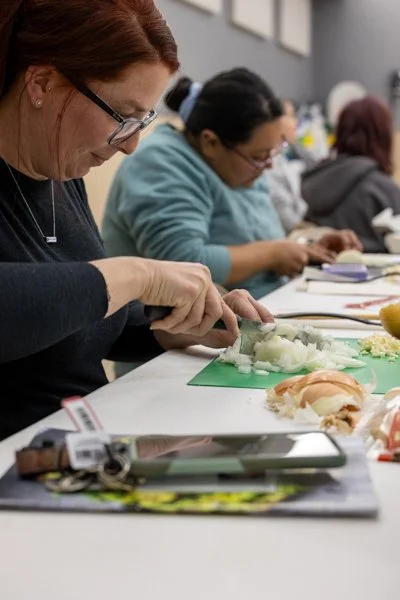
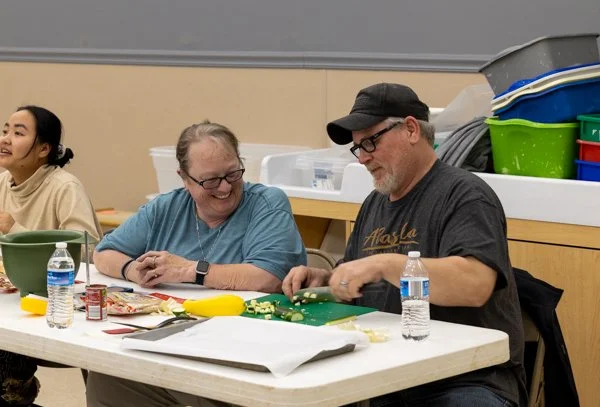
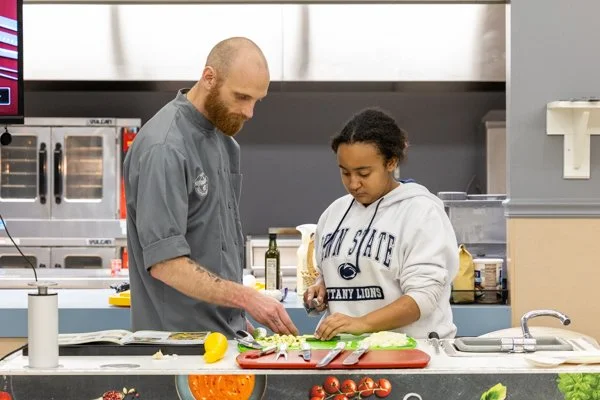
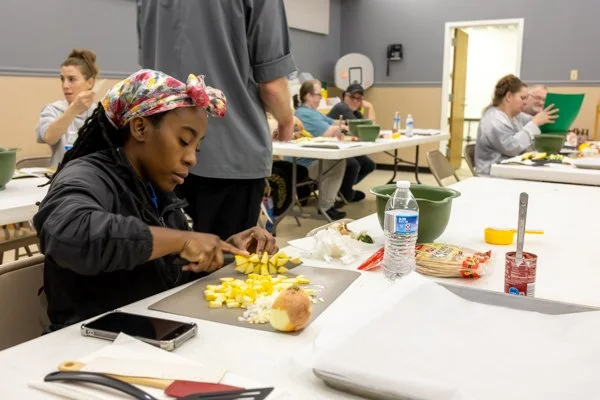
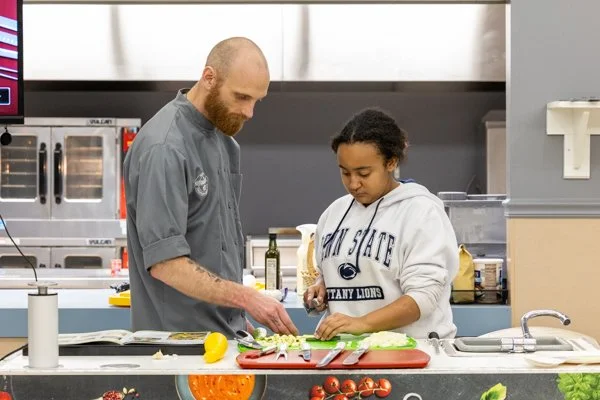
Thanks to funding by Resourceful Communities, we are excited to partner with Greater Vision Outreach Center in Thomasville and provide a four-week cooking course for Greater Vision clients. These classes are led by instructor Jonathan Seelig of Kitchenology. Class participants learn and practice cooking techniques as they prepare nutritious and delicious meals.

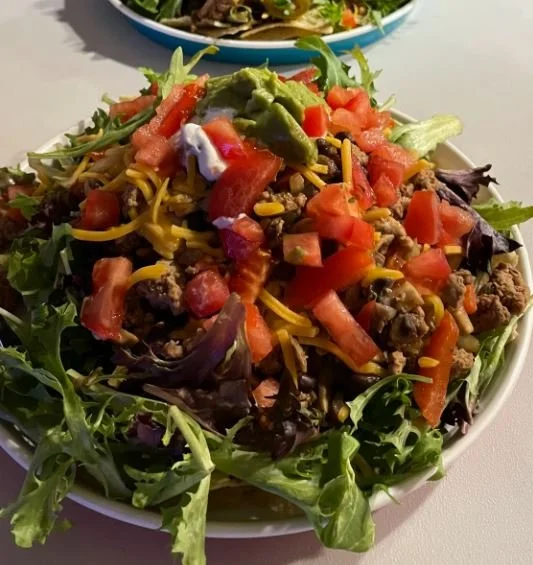
Each week, Jonathan walks attendees through a different recipe, introducing cooking techniques, food safety practices, and basic nutrition guidelines. The clients are provided with cooking stations (utensils and tabletop burners), as well as all the ingredients they need to follow along in real time. At the end of the class, they all get to enjoy their finished product, and they leave with a bag of ingredients to make the recipe again at home. So far, they have made taco bowls and veggie pita pizzas.

The class includes families, couples, and individuals of all ages (including children). Greater Vision provides childcare as needed. The response to the class has been enthusiastic; one attendee, who used to cook more but hasn't had the time in recent years, was inspired by the course to take it up again. We were thrilled to see a beautiful picture of the taco bowls he prepared for himself and his wife at home!

The next cooking series, coming up in March, will be for Spanish-speaking clients, with an interpreter provided by Greater Vision. We look forward to continuing to learn from Jonathan and bring people together over delicious, nourishing food!

If you or someone you know is interested in Greater Vision's services (or in volunteering, or donating to the ministry), visit their website or Facebook page for information.

Cooking Class-web-8.jpeg
Cooking Class-web-3.jpeg
Cooking Class-web-5.jpeg
Capture.JPG
Cooking Class-web-2.jpeg
Cooking Class-web-1.jpeg

Scholarships and Internships

Juneberry Education Foundation Programs


Non-profit public charity Juneberry Education Foundation is offering a wealth of workshops and agricultural programs this year. Make sure to read through and consider what they have to offer, from their farming series "Listening to the Land," to high school and college internship opportunities, to their Piedmont Ag Scholar program. There is something for everyone!

Upcoming Workshops and Events:

Davidson County Winter Market at the Depot


When: March 1, 2025 (And every first and third Saturday until April 19th)
Time: 12:00pm - 3:00 pm
Location: 129 S. Railroad Street, Lexington, NC

Find fresh, local seasonal produce, meats, eggs, pastries, jams, breads, baked goods, crafts, and other items at the Davidson County Winter Farmers Market located at The Depot. All products sold at the market are grown, baked or made by the vendors.
SNAP EBT will be accepted at this market!

12th Annual Gardeners’ Conference at High Rock Church


When: Friday, February 21, 2025
Time: 8:30am - 3:30pm
Location: 135 Lowes Boulevard, Lexington, NC 27292

Gardeners’ Conference Sponsored by Extension Master Gardeners Volunteer Association of Davidson County. Click here for details and tickets

Soil Health - Small Farm Boot Camp


When: February 27th, 2025
Time: 5:30pm - 8:00 pm
Location: 301 East Center Street, Lexington, NC 27292
Admission: $15

Soil health is the backbone of growing plants. Whether growing vegetables, fruit trees, or pasture grass, soil health is crucial. Learn about soil properties and how to build healhty soils that support plant growth, cycle nutrients, hold water, prevent diseases, and sustain farm productivity. Register
here!

Blueberry Pruning Workshop


When: February 28, 2025
Time: 1:00 - 4:00 pm

Location: SandyCreek Farm- 3160 South North Carolina Highway 150, Lexington, NC 27295

Get hands-on practice pruning blueberry bushes from NC State Specialists!

Blueberries are a potentially profitable specialty crop that commercial and backyard growers can produce successfully. Participants will be guided through the pruning decision making process as well as discussing production aspects of blueberries. Participants will gain hands-on knowledge of proper pruning techniques to maximize disease and insect control thus maximizing plant health and productivity.

Free admission! Located at SandyCreek Farm. Reserve a spot
here!

In Local Food Network Tags cooking, classes, events
 

Davidson County Local Food

OUR MISSION

NEWSLETTER

EVENTS

OUR BLOG

Piedmont Fresh

ABOUT US

OUR PRODUCERS

SHOP NOW

PF NEWSLETTER


Davidson County Local Food Network is a 501c(3) non-profit organization. Any donations made to the DAVIDSON COUNTY LOCAL FOOD NETWORK are tax-deductible.

©2014-2025 DAVIDSON COUNTY LOCAL FOOD NETWORK