
Regenerative Agriculture: What It Means and Why It’s Everywhere Right Now with a North Carolina Perspective
Regenerative agriculture is showing up more and more in farming conversations, but what does it actually mean?
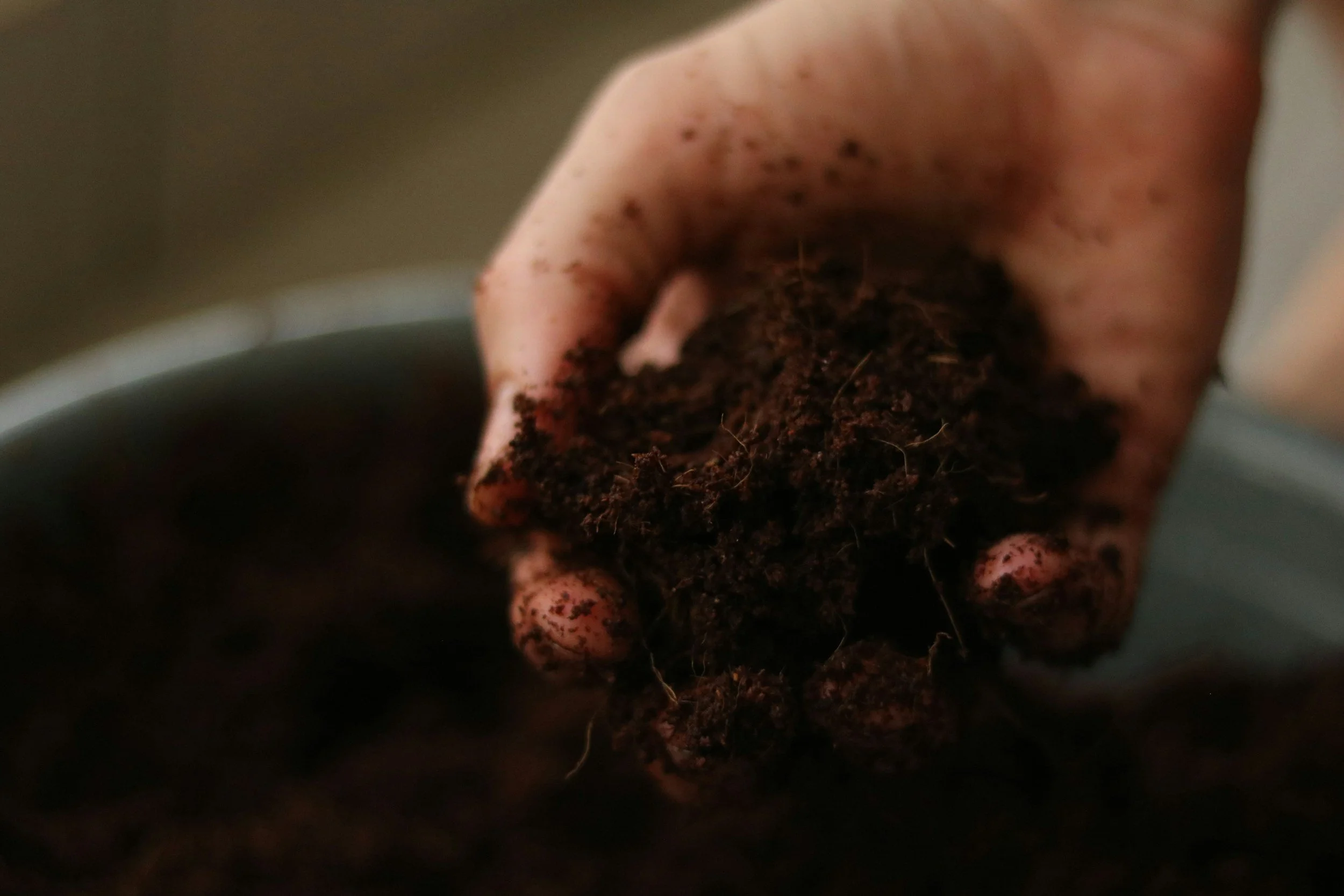
At its simplest, regenerative agriculture is a way of farming that focuses on improving the health of the land instead of just using it. The goal is to rebuild soil health, improve water retention, increase biodiversity, and support long-term farm productivity.
In North Carolina, this conversation is already active through Extension programs, farmer-led coalitions, and on-the-ground research.
Soil health is the foundation
North Carolina State University Extension defines soil health as the ability of soil to function as a living system that supports plant and animal life while maintaining environmental quality. Healthy soils regulate water, cycle nutrients, and support resilient crop production. https://soilmanagement.ces.ncsu.edu/soil-health/
That definition aligns closely with regenerative agriculture’s focus, since both center on soil function as the foundation of agricultural systems.
Across North Carolina research and Extension work, soil health is consistently tied to water infiltration and retention, nutrient cycling, erosion prevention, and long-term farm resilience.
What regenerative practices look like in North Carolina
Research and Extension programs in North Carolina highlight many practices associated with regenerative agriculture, including cover cropping, reduced tillage or no-till systems, crop rotation, composting and organic amendments, and integrating livestock into cropping systems.
These practices are studied and supported through organizations such as North Carolina State University Extension and the Center for Environmental Farming Systems, which focus on building more resilient and sustainable farming systems through soil-centered approaches. https://cefs.ncsu.edu/
Farmers in North Carolina are already doing this work
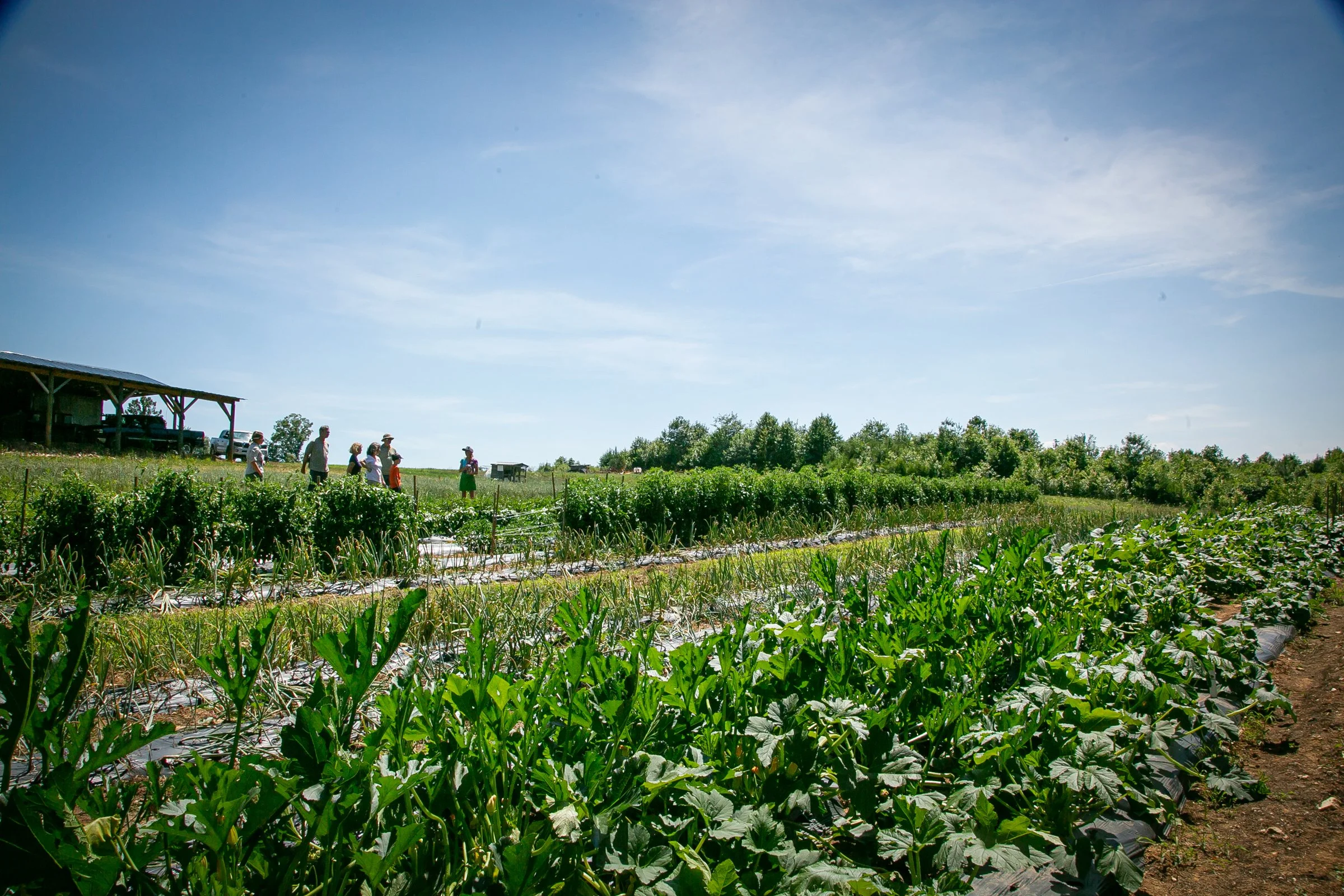
Across the state, regenerative practices are not theoretical. They are already in use on working farms.
The North Carolina Soil Health Coalition highlights farmers using no-till systems, cover crops, and rotational grazing to improve soil health and reduce input costs. Many farmers report that improving soil health helps increase resilience during unpredictable weather and reduces long-term reliance on external inputs. https://www.ncsoilhealth.org/
One consistent theme across farmer-led networks in North Carolina is that starting small is often the most practical way to begin improving soil health systems.
Why this matters now
Farming in North Carolina, like much of the country, is facing increasing pressure from changing weather patterns, rising input costs, soil health challenges, and growing demand for sustainable production practices.
Regenerative agriculture is becoming a central topic because it connects directly to these challenges. Rather than focusing only on short-term production, it emphasizes long-term land resilience and system stability.
The bigger picture
Regenerative agriculture is not a new concept. Many of the practices associated with it have been used by farmers for generations. What has changed is the increased focus on soil health as a measurable, living system supported by modern research.
In North Carolina, that shift is already underway through research institutions, Extension programs, and farmer networks working to strengthen long-term agricultural resilience.