• Mission
    • Our Impact
    • Staff
    • Piedmont Fresh
    • Our Producers
    • Our Programs
    • OUR BLOG
    • Beginner Farmer
    • Farm Emergency Resources
    • Food Resources
    • Calendar
    • Farm Workshops
    • Farm Tour 2026
  • Local Food Guide
    • Opportunities
    • Give Today
    • Community Gardens
    • Master Gardener Volunteers
Menu

Davidson County Local Food Network

Street Address
City, State, Zip
Phone Number

Your Custom Text Here

Davidson County Local Food Network

  • About Us
    • Mission
    • Our Impact
    • Staff
  • Food Hub
    • Piedmont Fresh
    • Our Producers
    • Our Programs
  • Resources
    • OUR BLOG
    • Beginner Farmer
    • Farm Emergency Resources
    • Food Resources
  • Events
    • Calendar
    • Farm Workshops
    • Farm Tour 2026
  • Local Food Guide
  • Get Involved
    • Opportunities
    • Give Today
    • Community Gardens
    • Master Gardener Volunteers

North Carolina’s Growing Drought: Why It Matters?

May 15, 2026 Jessica Rogers

North Carolina’s Growing Drought: Why It Matters to Our Communities, Farms, and Food System

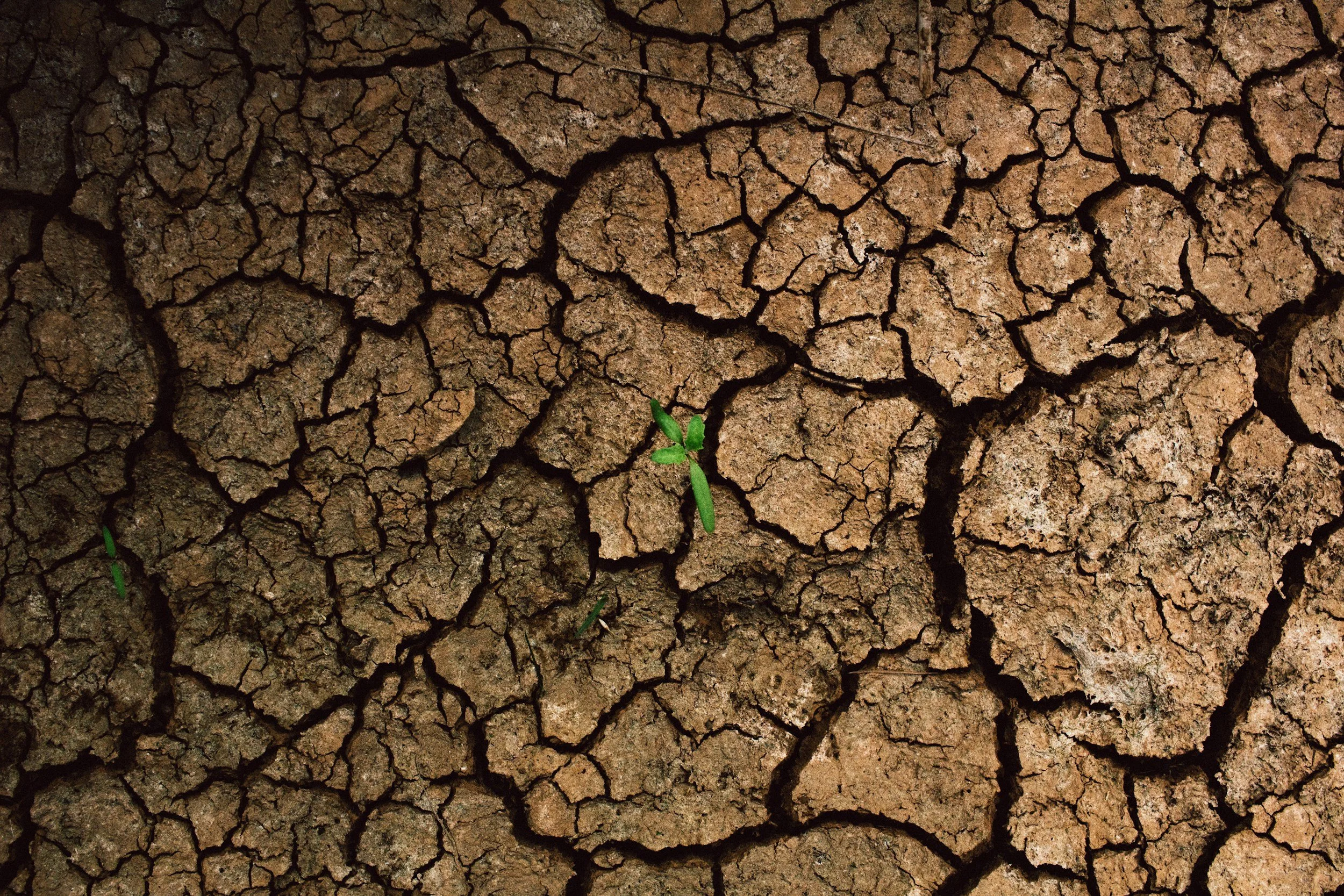
Across North Carolina, dry conditions have steadily intensified over the past several months, creating serious concerns for farmers, water systems, local food production, and communities statewide. What began as unusually dry weather in late 2025 has now developed into one of the most significant drought events the state has seen in years.

According to the North Carolina Drought Management Advisory Council, much of North Carolina is currently experiencing severe to extreme drought conditions, with some areas even reaching “exceptional drought” status — the highest drought classification used by the U.S. Drought Monitor.

For communities across the Piedmont and beyond, these conditions are more than just brown grass and dry gardens. The drought is impacting agriculture, water supplies, livestock, wildfire risks, local ecosystems, and the overall stability of our regional food system.

How Did We Get Here?

Climate experts say this drought did not happen overnight. North Carolina has experienced below-average rainfall since late summer 2025, and the state missed many of the tropical weather systems that typically help replenish groundwater and reservoirs. Warm temperatures and ongoing dry weather throughout winter and spring accelerated conditions even further.

In April, the North Carolina Department of Environmental Quality warned that near-record heat, low rainfall, and increasing water demand were rapidly lowering rivers, lakes, and reservoirs across the state.

Some rainfall has occurred in scattered areas, but experts say it has not been enough to significantly improve long-term conditions. Many regions remain several inches below normal precipitation totals.

What Does This Mean for Farmers?

For farmers and local food producers, drought conditions create a long list of challenges.

Dry soil makes it difficult for crops to grow properly, especially fruits and vegetables that rely on consistent moisture. Farmers may need to irrigate more frequently, increasing fuel and water costs during an already difficult season. Hay shortages can also impact livestock producers, forcing some farms to purchase feed from outside the state.

The drought is also increasing wildfire danger across North Carolina. Dry vegetation and low humidity create conditions where fires can spread quickly, threatening forests, farmland, and rural communities.

Many farmers are working hard to adapt by conserving water, monitoring crop conditions closely, and adjusting planting schedules when possible. Still, prolonged drought places additional stress on farms that are already managing rising costs and unpredictable weather patterns.

Water Conservation Matters

Several North Carolina communities have already implemented voluntary or mandatory water restrictions as reservoirs and stream levels continue to decline.

The good news is that small conservation efforts can make a meaningful difference when communities work together. The North Carolina Drought Management Advisory Council encourages residents to:

  • Fix leaking faucets and pipes

  • Limit unnecessary outdoor watering

  • Run dishwashers and washing machines only with full loads

  • Water plants during cooler morning hours to reduce evaporation

  • Stay informed about local water restrictions and drought conditions

Supporting Local Agriculture During Drought

Local farms are incredibly resilient, but drought conditions remind us just how connected we all are to weather, water, and agriculture. Supporting local farmers markets, purchasing from local farms, and reducing food waste are all ways communities can help strengthen regional food systems during challenging seasons.

Organizations like Davidson County Local Food Network and Piedmont Fresh continue working to support farmers, connect communities to local food, and help build a stronger, more resilient local food system for the future.

As North Carolina moves into the hotter summer months, drought conditions may continue to evolve. State officials and climate experts will continue monitoring rainfall, reservoirs, groundwater levels, and agricultural impacts closely.

For current drought maps and updates, visit North Carolina Drought Management Advisory Council
Navigating Your Food Business Success Series: Professional Development Opportunities Across North Carolina

May 6, 2026 Jessica Rogers

Navigating Your Food Business Success Series: Professional Development Opportunities Across North Carolina

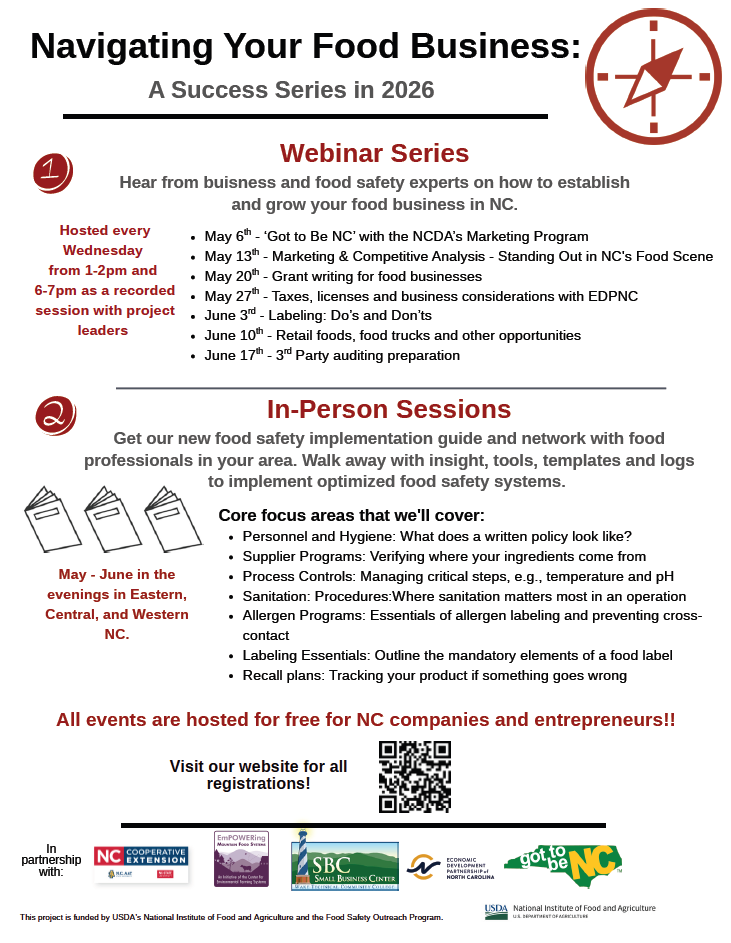
North Carolina food manufacturers, processors, and food entrepreneurs now have access to a free, statewide professional development series designed to strengthen business operations, improve food safety practices, and support long-term growth. The Navigating Your Food Business Success Series brings together industry experts, Extension professionals, and partner organizations to deliver practical training for businesses at every stage of development.

This program goes beyond basic food safety training. While safe food handling remains a foundational element of any successful operation, this series focuses on continuous improvement across the full spectrum of food business success. Topics are designed to help companies refine systems, strengthen compliance, and scale sustainably in a competitive marketplace.

Whether a business is just getting started or already operating within retail, wholesale, or food hub markets, the sessions are structured to provide actionable insights that can be immediately applied. From regulatory guidance to marketing strategy and financial planning, participants will gain tools to help them grow with confidence.

Webinar Series Overview

The Success Series webinars will be held weekly on Wednesdays with two convenient time options:
1:00 PM – 2:00 PM and 6:00 PM – 7:00 PM

Each session features subject matter experts covering key topics for food business development:

May 6: Got to Be NC with the NCDA Marketing Program
May 13: Marketing & Competitive Analysis
May 20: Grant Writing for Food Businesses
May 27: Taxes, Licenses, and Business Considerations with EDPNC
June 3: Labeling Do’s and Don’ts
June 10: Retail Foods, Food Trucks, and Other Opportunities
June 17: Third-Party Auditing Preparation

In-Person Workshops and Networking Opportunities

In addition to the virtual webinars, in-person evening sessions will be hosted in partnership with local Small Business Centers across Eastern, Central, and Western North Carolina throughout May and June. These regional workshops provide hands-on support and direct networking opportunities with industry professionals.

Participants will receive a new Food Safety Implementation Guide along with practical templates and recordkeeping tools designed to improve daily operations. Sessions will focus on key technical areas including personnel hygiene, written policy development, process controls, labeling and allergens, and recall planning.

Upcoming in-person events include:

Western Wake County: May 5
Registration: https://go.ncsu.edu/may5navigatingevent

Wilmington (Eastern NC): June 11 (registration details coming soon)

Additional regional events are currently being finalized.

Full registration information and updates are available here: https://foodsafetyprocessors.ces.ncsu.edu/find-a-training-course/

This series reflects a broader effort to support North Carolina’s food economy by equipping businesses with the knowledge, tools, and connections needed to grow stronger, operate more efficiently, and remain competitive in an evolving marketplace.

Back to All Events Summer is almost here: Juicy Pork Brats

May 1, 2026 Jessica Rogers

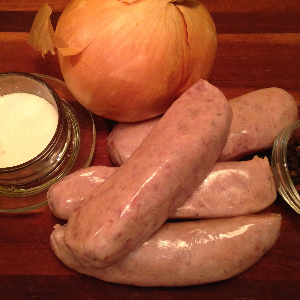
Savor the rich, flavorful taste of Crossings Pork Bratz, crafted from premium cuts for a delicious grilling experience.

A simple, flavorful way to prepare juicy pork brats…finished with caramelized onions and a rich simmer for extra depth.

Ingredients

  • 4 Crossings pork bratwurst

  • 1 tablespoon butter

  • 1 large onion and bell pepper, sliced 2 cloves garlic, minced

  • 1/2 cup beer, broth, or water

  • 1 teaspoon of Dijon mustard (optional, for added flavor)

  • Salt and black pepper, to taste

  • A pinch of brown sugar, or fresh herbs like thyme.

    Instructions

  • Heat a large skillet (cast iron works best) over medium-high heat.

  • Add oil and let it get hot.

  • Place the brats in the pan and sear for about 3–4 minutes per side until nicely browned. Avoid piercing them- this keeps all those juices inside.

  • Add the sliced onions (and peppers if using) to the pan. Stir to coat them in the oil and let them begin to soften. Stir in garlic and cook for about 30 seconds until fragrant.

  • Pour in the beer or broth, then reduce heat to medium-low and cover.

  • Let everything simmer for 10–12 minutes, or until the brats are fully cooked (internal temp 160°F).

  • Remove the lid and transfer the brats to a plate. Let the onions continue cooking uncovered until the liquid reduces and they become soft and slightly caramelized.

  • Stir in mustard and season onions with salt and pepper to taste.

  • Serve Plate the brats with the onions on top.

  • Serve on toasted buns or alongside potatoes, kraut, or fresh market veggies.

SHOP PIEDMONT FRESH >>


#PiedmontFresh #EatLocalPiedmont #PiedmontEats #TasteThePiedmont #LocalFoodMovement #FarmToTablePiedmont #ShopLocalNC #SupportLocalFarms #NCFarmers #LocalMeat #PastureRaised #KnowYourFarmer #FreshFromTheFarm #SustainableEating #PiedmontFoodies #SimpleMeals #WeeknightDinner #EasyRecipes #HomeCooking #CastIronCooking #Bratwurst #SausageLovers #ComfortFood #FoodInspo #CookingAtHome

← Newer Posts Older Posts →
 

Davidson County Local Food

OUR MISSION

NEWSLETTER

EVENTS

OUR BLOG

Piedmont Fresh

ABOUT US

OUR PRODUCERS

SHOP NOW

PF NEWSLETTER


Davidson County Local Food Network is a 501c(3) non-profit organization. Any donations made to the DAVIDSON COUNTY LOCAL FOOD NETWORK are tax-deductible.

©2014-2025 DAVIDSON COUNTY LOCAL FOOD NETWORK