
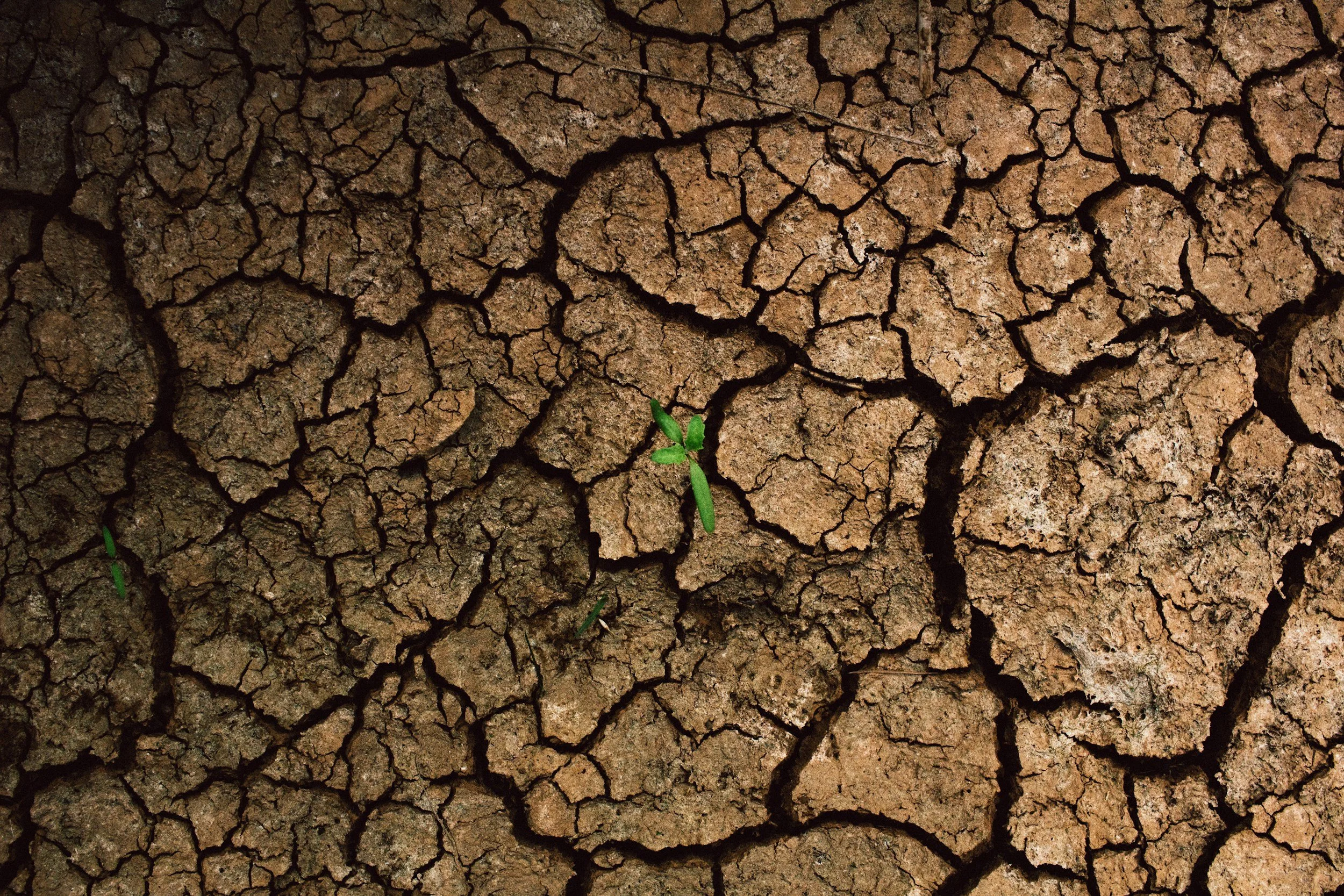
North Carolina’s Growing Drought: Why It Matters to Our Communities, Farms, and Food System
Across North Carolina, dry conditions have steadily intensified over the past several months, creating serious concerns for farmers, water systems, local food production, and communities statewide. What began as unusually dry weather in late 2025 has now developed into one of the most significant drought events the state has seen in years.
According to the North Carolina Drought Management Advisory Council, much of North Carolina is currently experiencing severe to extreme drought conditions, with some areas even reaching “exceptional drought” status — the highest drought classification used by the U.S. Drought Monitor.
For communities across the Piedmont and beyond, these conditions are more than just brown grass and dry gardens. The drought is impacting agriculture, water supplies, livestock, wildfire risks, local ecosystems, and the overall stability of our regional food system.
How Did We Get Here?
Climate experts say this drought did not happen overnight. North Carolina has experienced below-average rainfall since late summer 2025, and the state missed many of the tropical weather systems that typically help replenish groundwater and reservoirs. Warm temperatures and ongoing dry weather throughout winter and spring accelerated conditions even further.
In April, the North Carolina Department of Environmental Quality warned that near-record heat, low rainfall, and increasing water demand were rapidly lowering rivers, lakes, and reservoirs across the state.
Some rainfall has occurred in scattered areas, but experts say it has not been enough to significantly improve long-term conditions. Many regions remain several inches below normal precipitation totals.
What Does This Mean for Farmers?
For farmers and local food producers, drought conditions create a long list of challenges.
Dry soil makes it difficult for crops to grow properly, especially fruits and vegetables that rely on consistent moisture. Farmers may need to irrigate more frequently, increasing fuel and water costs during an already difficult season. Hay shortages can also impact livestock producers, forcing some farms to purchase feed from outside the state.
The drought is also increasing wildfire danger across North Carolina. Dry vegetation and low humidity create conditions where fires can spread quickly, threatening forests, farmland, and rural communities.
Many farmers are working hard to adapt by conserving water, monitoring crop conditions closely, and adjusting planting schedules when possible. Still, prolonged drought places additional stress on farms that are already managing rising costs and unpredictable weather patterns.
Water Conservation Matters
Several North Carolina communities have already implemented voluntary or mandatory water restrictions as reservoirs and stream levels continue to decline.
The good news is that small conservation efforts can make a meaningful difference when communities work together. The North Carolina Drought Management Advisory Council encourages residents to:
Fix leaking faucets and pipes
Limit unnecessary outdoor watering
Run dishwashers and washing machines only with full loads
Water plants during cooler morning hours to reduce evaporation
Stay informed about local water restrictions and drought conditions
Supporting Local Agriculture During Drought
Local farms are incredibly resilient, but drought conditions remind us just how connected we all are to weather, water, and agriculture. Supporting local farmers markets, purchasing from local farms, and reducing food waste are all ways communities can help strengthen regional food systems during challenging seasons.
Organizations like Davidson County Local Food Network and Piedmont Fresh continue working to support farmers, connect communities to local food, and help build a stronger, more resilient local food system for the future.
As North Carolina moves into the hotter summer months, drought conditions may continue to evolve. State officials and climate experts will continue monitoring rainfall, reservoirs, groundwater levels, and agricultural impacts closely.
For current drought maps and updates, visit North Carolina Drought Management Advisory Council