• Mission
    • Our Impact
    • Staff
    • Piedmont Fresh
    • Our Producers
    • Our Programs
    • OUR BLOG
    • Food Resources
    • Beginner Farmer
    • Funding Resources
    • Farm Emergency Resources
    • Calendar
    • Farm Workshops
    • Farm Tour 2026
  • Local Food Guide
    • Opportunities
    • Give Today
    • Community Gardens
    • Master Gardener Volunteers
Menu

Davidson County Local Food Network

Street Address
City, State, Zip
Phone Number

Your Custom Text Here

Davidson County Local Food Network

  • About Us
    • Mission
    • Our Impact
    • Staff
  • Food Hub
    • Piedmont Fresh
    • Our Producers
    • Our Programs
  • Resources
    • OUR BLOG
    • Food Resources
    • Beginner Farmer
    • Funding Resources
    • Farm Emergency Resources
  • Events
    • Calendar
    • Farm Workshops
    • Farm Tour 2026
  • Local Food Guide
  • Get Involved
    • Opportunities
    • Give Today
    • Community Gardens
    • Master Gardener Volunteers

Why Local Food Systems Matter in Uncertain Times

June 3, 2026 Jessica Rogers

Why Local Food Systems Matter in Uncertain Times

Most people don’t think about what happens between a farm field and the grocery shelf—or even a farmers market table. But that “in-between” space is exactly where North Carolina is now making big moves.

Recent state-level studies highlight something food system advocates have been saying for years: strengthening local agricultural manufacturing and food processing isn’t just about economics—it’s about stability, access, and resilience.

Across North Carolina, researchers and agencies are looking at how expanding processing capacity (things like milling, meat processing, freezing, canning, and packaging) could help farmers keep more value locally while building stronger regional food supply chains.

So what does that actually mean for our community?

It means food systems don’t stop at the farm gate. And right now, that “middle layer”—processing, storage, aggregation, and distribution—is where a lot of opportunity sits.

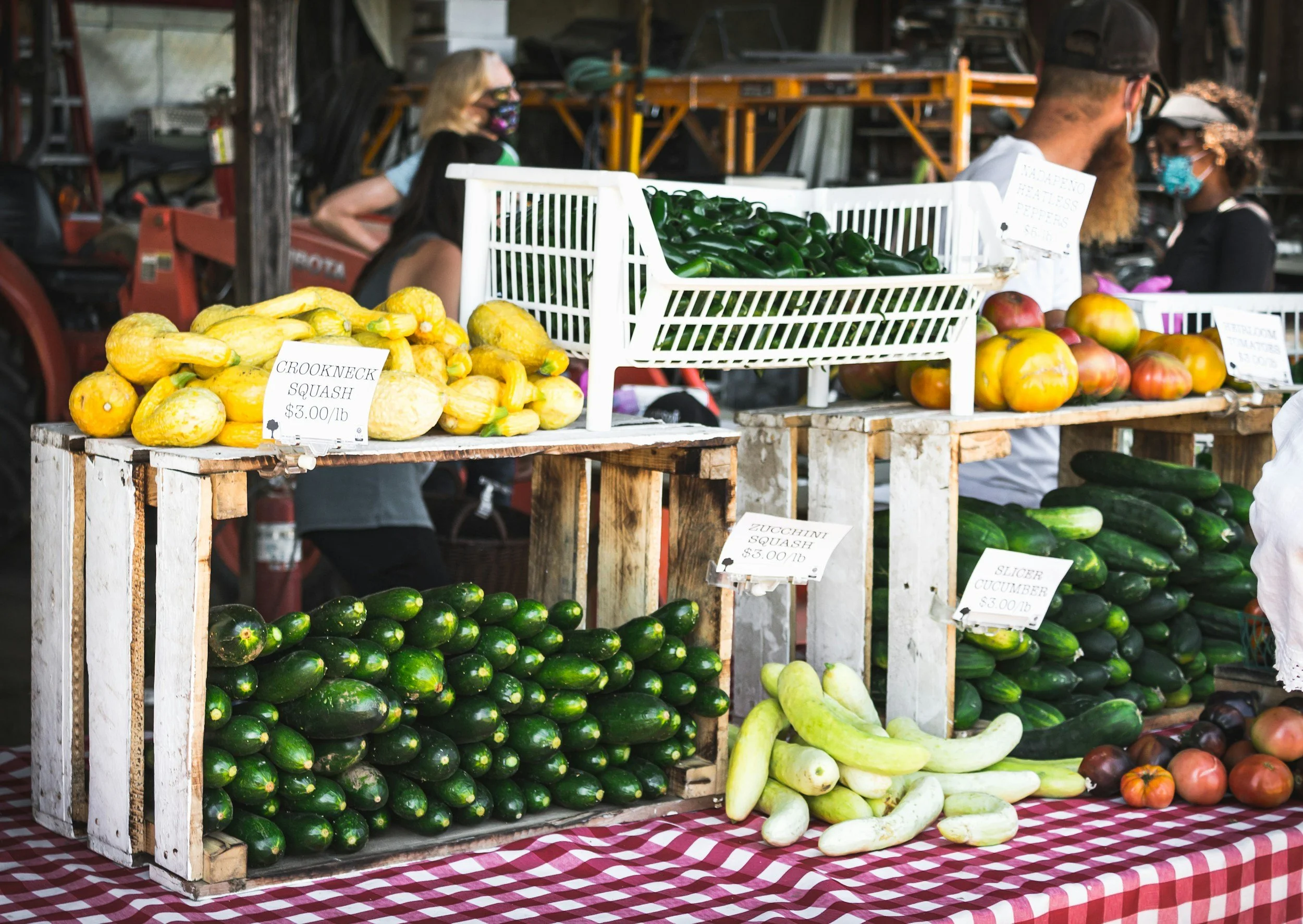
What Happens Before Food Reaches Your Farmers Market?
When you pick up local lettuce, eggs, meat, or produce, you’re seeing the final step of a much larger system.

Before that moment, food often moves through:

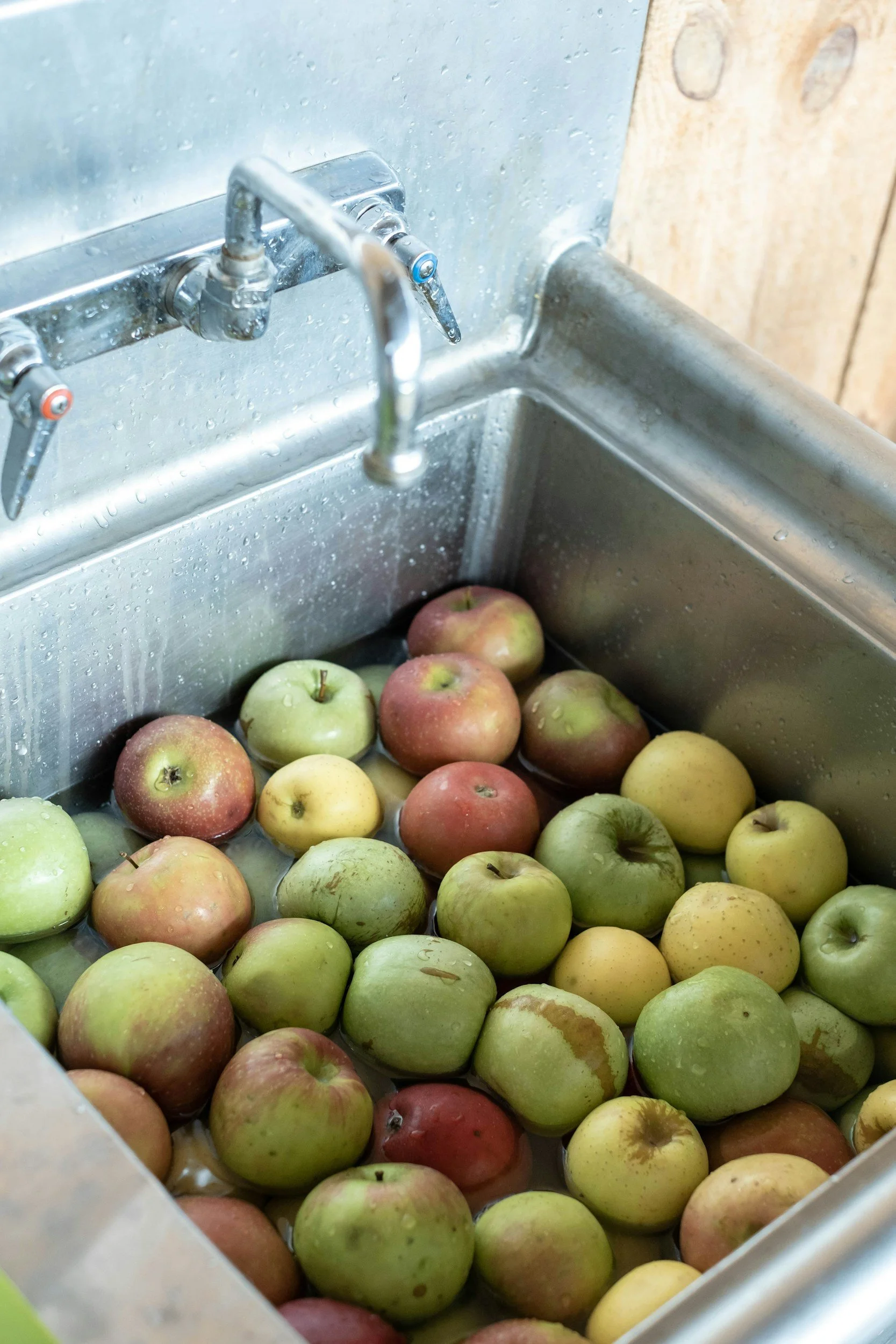
  • Washing, sorting, and packaging

  • Refrigeration and cold storage

  • Value-added processing (like turning fruit into jams or apples into cider)

  • Local aggregation hubs that combine products from multiple farms

Without that infrastructure, farmers are left doing everything themselves—growing, selling, delivering, and sometimes even processing. That limits how much local food can realistically move through a region, even when demand is strong.

NC State Extension describes food processing as everything from simple preservation to full value-added production that helps make local foods more convenient and market-ready.

How Local Processing Supports NC Farmers

This is where things get interesting for North Carolina agriculture.

Studies show that expanding food manufacturing and processing capacity can:

  • Help farmers access more reliable markets

  • Reduce waste from surplus or “imperfect” crops

  • Keep more food dollars circulating locally

  • Strengthen rural economies through job creation and infrastructure investment

In plain terms: when local processing exists, farmers don’t just grow food—they can scale their businesses.

A tomato doesn’t have to sell fresh in 48 hours. It can become sauce. Apples can become juice or cider. Livestock can be processed closer to where it’s raised instead of traveling long distances out of state.

That flexibility matters, especially when markets shift, weather disrupts harvests, or transportation costs rise.

Why This Matters for Food Security

Food security isn’t only about growing enough food—it’s about whether that food can reliably move through the system and reach people.

Research on resilient food systems shows that distributed local networks with strong “middle layers” (processors, aggregators, and local markets) are more stable during disruptions because they don’t rely on a single centralized supply chain.

In other words, resilience comes from connection—not just production.

When farms, processors, and local markets are linked, the system can absorb shocks better, reduce waste, and keep food closer to the communities that need it.

Where Piedmont Fresh and DCLFN Fit In

This is exactly the space Piedmont Fresh and the Davidson County Local Food Network operate in every day.

We’re not just connecting people to local food—we’re part of a larger ecosystem that depends on:

  • Strong farms

  • Strong processing capacity

  • Strong local distribution channels

  • And strong community demand

When all four align, local food stops being a niche option and becomes a functioning system.

The momentum in North Carolina right now is clear: local food systems aren’t just a trend. They’re infrastructure. And infrastructure is what turns “we have good farms” into “we have a resilient food system.”

The Bigger Picture

Local food security isn’t built overnight, and it’s not built by farms alone.

It’s built in processing plants most people never see, in shared kitchens, in cold storage units, in small distribution networks, and in everyday decisions to buy local when possible.

The exciting part? North Carolina is actively investing in that middle layer right now.

And that means the local food system in places like Davidson County isn’t just growing—it’s becoming more complete.

Sources

North Carolina Department of Agriculture & Consumer Services (NCDA&CS) – Agricultural Manufacturing & Processing Initiative Study
https://www.ncagr.gov/news/press-releases/2026/03/30/study-identifies-opportunities-expand-agricultural-manufacturing-and-processing-north-carolina
RTI International – NC Agricultural Manufacturing & Processing Initiative (NCAMPI) Overview
https://www.ncagr.gov/divisions/marketing/agribusiness/marketing-north-carolina-agricultural-manufacturing-and-processing-initiative-opportunity-study

North Carolina Department of Commerce – Food Processing & Manufacturing Industry Overview
https://www.commerce.nc.gov/business/key-industries-north-carolina/food-processing-manufacturing

NC State Extension – Local Food Processing & Distribution Systems
https://orange.ces.ncsu.edu/orange-county-baseline-community-food-assessment/preparing-food/

NC State Extension – Food Safety Repository: NCAMPI Grant Opportunity Background
https://foodsafetyrepository.ces.ncsu.edu/news/grant-opportunity-north-carolina-agriculture-manufacturing-and-processing-initiative/

NC Food Innovation Lab – About Food Processing & Innovation Infrastructure
https://ncfoodinnovationlab.org/about

North Carolina’s Southeast – Agribusiness & Food Processing Fast Facts
https://www.ncse.org/agri-business-and-food-processing.php

North Carolina Department of Agriculture & Consumer Services – Agricultural Statistics Division
https://www.ncagr.gov/divisions/agricultural-statistics

RTI International (via NCDA&CS announcement) – Study on Agricultural Manufacturing Expansion
https://www.ncagr.gov/news/press-releases/2026/03/30/study-identifies-opportunities-expand-agricultural-manufacturing-and-processing-north-carolina

Pollinators: The Tiny Workforce Behind Our Food

June 2, 2026 Jessica Rogers

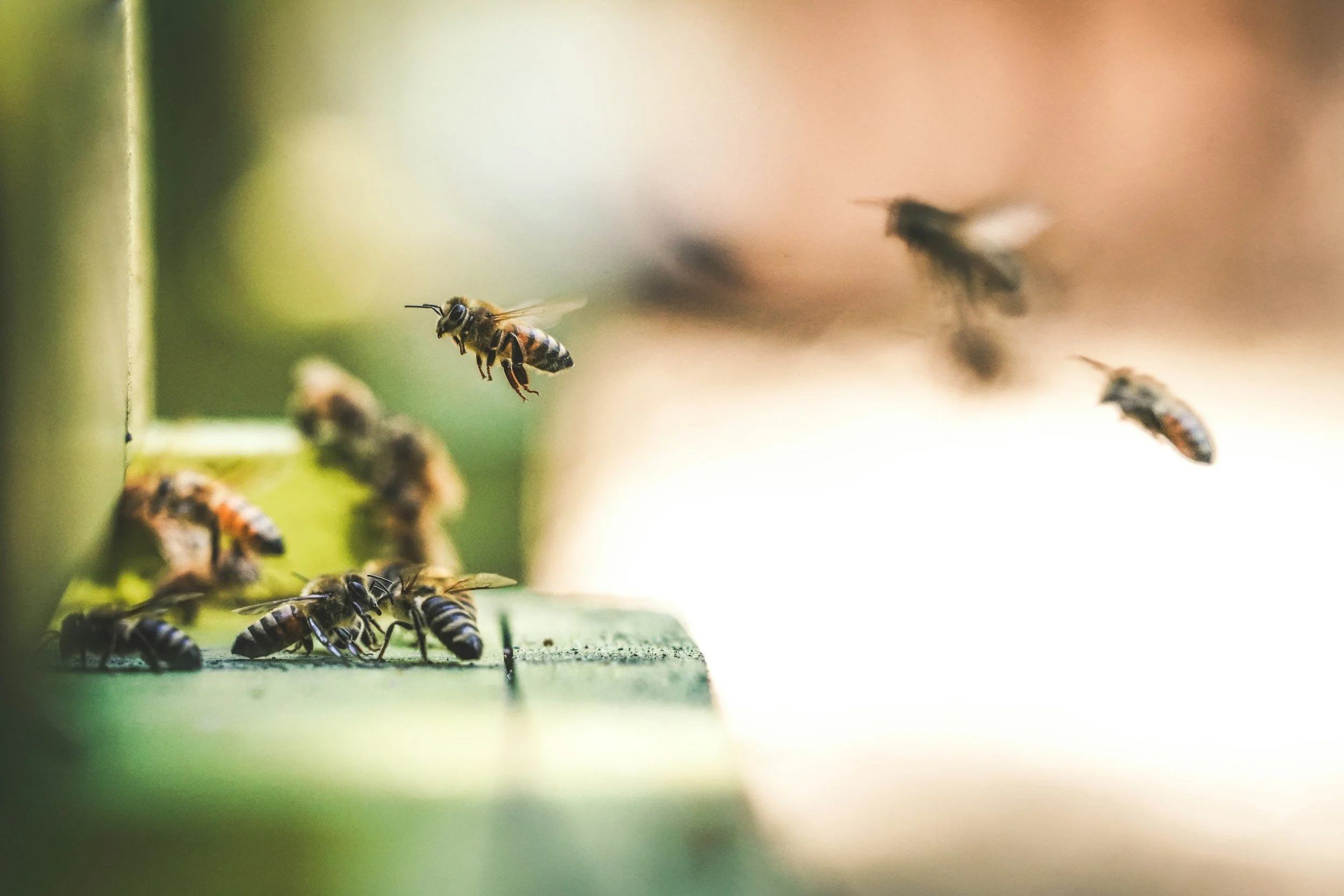
When we think about the food on our tables, we often picture farmers, fields, and fresh harvests. But behind every juicy strawberry, crisp cucumber, and summer squash is a hardworking team of pollinators. Bees, butterflies, moths, beetles, birds, and even bats play a critical role in producing many of the foods we enjoy every day.

June is National Pollinator Month, making it the perfect time to celebrate these tiny workers and learn how we can help them thrive in Davidson County and beyond.

Why Pollinators Matter

Pollinators transfer pollen from one flower to another, allowing plants to produce fruits, vegetables, seeds, and nuts. Without pollinators, many crops would see significantly reduced yields—or disappear altogether.

According to the U.S. Department of Agriculture, roughly one-third of the food we eat depends on pollinators. Their work supports not only food production but also healthy ecosystems and biodiversity.

Crops That Depend on Pollinators

Many of the foods grown by local farmers rely on pollinators, including:

  • Strawberries

  • Blueberries

  • Blackberries

  • Watermelons

  • Cucumbers

  • Squash and zucchini

  • Pumpkins

  • Peppers

  • Tomatoes

  • Apples

  • Herbs and flowering vegetables

The next time you enjoy a locally grown strawberry or slice of watermelon, remember to thank a bee.

How You Can Help Pollinators at Home

Supporting pollinators doesn't require a farm. Small actions can make a big difference:

Plant Native Flowers
Choose a variety of flowers that bloom throughout the growing season to provide a continuous food source.

Reduce Pesticide Use
Avoid spraying flowering plants whenever possible, especially during peak pollinator activity.

Create Habitat
Leave some natural areas in your yard, add a bee house, or allow flowering herbs to bloom.

Provide Water
A shallow dish with stones gives pollinators a safe place to drink.

Pollinator-Friendly Plants for North Carolina

Consider adding these pollinator favorites to your garden:

  • Purple Coneflower

  • Black-Eyed Susan

  • Bee Balm

  • Milkweed

  • Goldenrod

  • Asters

  • Native Sunflowers

  • Coreopsis

  • Salvia

These plants support bees, butterflies, hummingbirds, and other beneficial insects throughout the season.

Local Farms and Pollinator Stewardship

Many local farmers understand that healthy pollinator populations are essential to successful harvests. Across Davidson County and the surrounding region, farmers support pollinators by planting flowering borders, maintaining natural habitats, diversifying crops, and using integrated pest management practices.

These efforts help create a healthier local food system while supporting the pollinators that make food production possible.

Get Involved

This June, consider planting a pollinator-friendly flower, visiting a local farm, or purchasing locally grown foods that benefit from pollinator services. Every action—no matter how small—helps strengthen our food system and supports the farmers and pollinators working together to feed our community.

Healthy Pollinators = Healthy Farms = Healthy Communities

Sources

  • USDA Pollinator Information

  • North Carolina State Extension Pollinator Resources

  • Pollinator Partnership National Pollinator Month

This would pair nicely with photos of local flowers, bees on strawberry blossoms, butterfly gardens, or farmers growing pollinator-dependent crops.

Building Healthier Soil: Why It Matters for Davidson County Agriculture

May 29, 2026 Jessica Rogers

Building Healthier Soil: Why It Matters for Davidson County Agriculture

Soil health is becoming one of the most important topics in modern agriculture—not just across North Carolina, but right here in Davidson County. As farmers face changing weather patterns, pressure on input costs, and growing interest in sustainable food systems, many are turning their attention back to the foundation of it all: the soil.

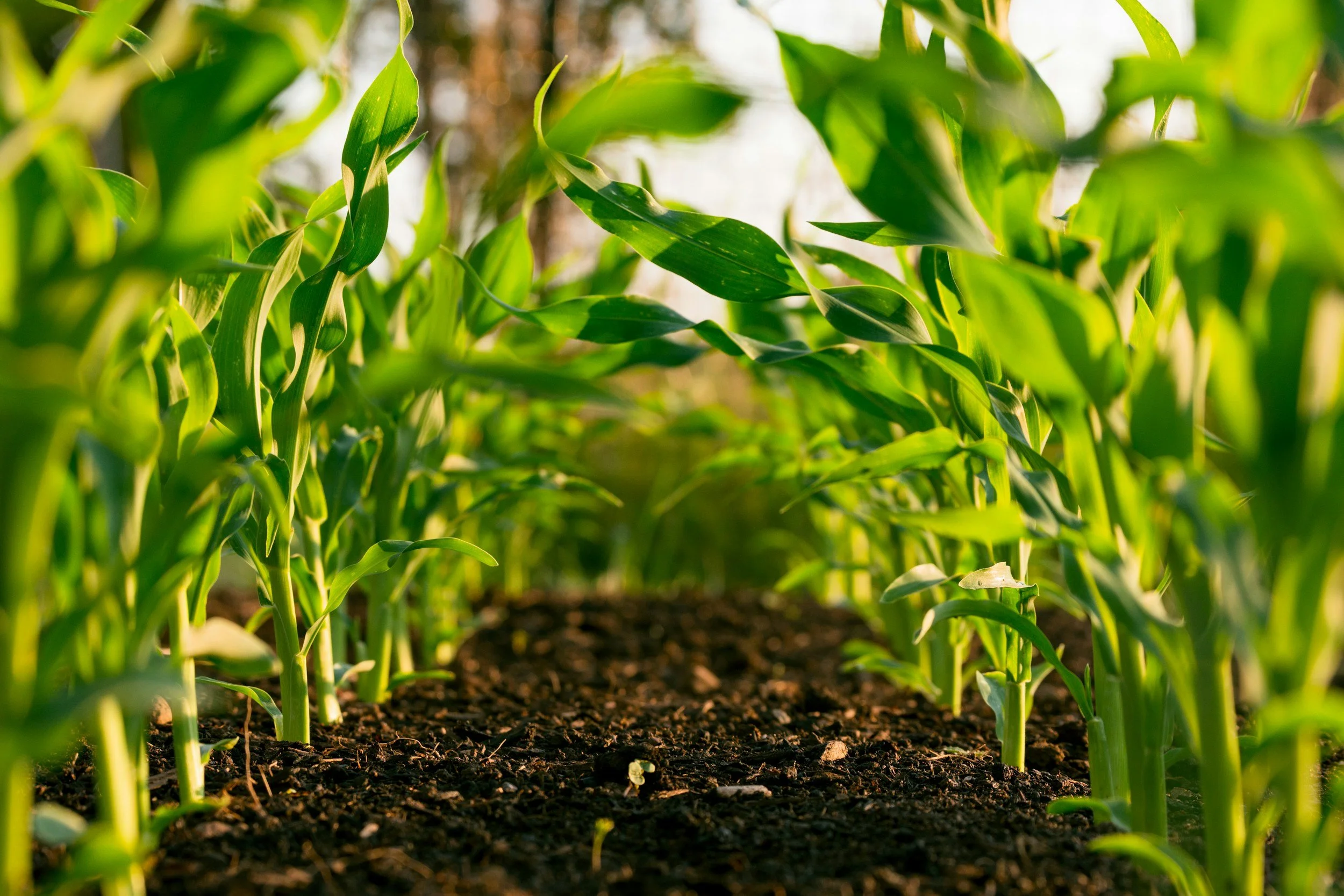
Healthy soil is more than dirt. It is a living ecosystem that supports plant growth, regulates water, cycles nutrients, filters pollutants, and helps farms stay resilient in the face of stress like drought and heavy rainfall.

Across the region, farmers are increasingly adopting practices that protect and rebuild soil health, creating long-term benefits for both the land and the local food system.

What “Healthy Soil” Really Means

Soil health refers to the soil’s ability to function as a living system that sustains plant, animal, and human life. In agriculture, this includes its ability to:

  • Support productive crop growth

  • Hold and move water efficiently

  • Cycle and store nutrients

  • Maintain biological activity

  • Recover from stress and disturbance

In simpler terms: healthy soil doesn’t just grow food today—it stays productive for future generations.

Core Practices That Build Soil Health

Most soil health strategies used in North Carolina are built around four key principles:

  • Keep soil covered as much as possible

  • Minimize soil disturbance

  • Keep living roots in the soil year-round

  • Increase biodiversity through crop rotation and cover crops

These principles show up in real-world farming practices across Davidson County and the surrounding Piedmont region.

Cover Crops: One of the Biggest Game Changers

Cover crops are plants grown not for harvest, but to protect and improve the soil between production cycles.

They play a major role in soil improvement by:

  • Preventing erosion

  • Improving water retention

  • Supporting beneficial microbes

  • Reducing nutrient loss

  • Increasing organic matter over time

In North Carolina, cover cropping is already widely used compared to national averages, especially in the Piedmont and coastal regions.

Conservation Tillage and Reduced Disturbance

Another major soil health strategy is reducing how often and how deeply soil is disturbed.

Less tillage helps:

  • Preserve soil structure

  • Protect beneficial organisms

  • Reduce erosion and runoff

  • Improve long-term fertility

When combined with cover crops and crop rotation, reduced tillage systems can significantly improve soil resilience over time.

Why This Matters Locally

For Davidson County, soil health is directly tied to:

  • Farm productivity and profitability

  • Water quality in local streams and waterways

  • Long-term land preservation

  • Strengthening the local food economy

Healthier soil also helps farms better handle unpredictable weather conditions, making operations more stable year after year.

The Bigger Picture

Soil health isn’t just an agricultural issue—it’s a community issue. Every farm that invests in soil-building practices is also investing in cleaner water, stronger local food systems, and a more resilient regional economy.

As more farmers in Davidson County adopt soil-friendly practices, the benefits continue to grow beyond the field and into the broader community.

Final Thoughts

Healthy soil is not built overnight—it’s built through consistent, intentional management. But the payoff is long-term resilience, stronger farms, and better food for everyone.

Davidson County agriculture is part of a larger shift happening across North Carolina: a move toward farming systems that don’t just take from the land, but actively improve it.

Sources:

  • NC State Extension – Soil Health Overview

  • USDA-NRCS Soil Health Principles (as used in NC Extension guidance)

  • NC State Extension – Cover Crops & Soil Benefits

  • NC State Extension – No-Till & Conservation Practices

← Newer Posts Older Posts →
 

Davidson County Local Food

OUR MISSION

NEWSLETTER

EVENTS

OUR BLOG

Piedmont Fresh

ABOUT US

OUR PRODUCERS

SHOP NOW

PF NEWSLETTER


Davidson County Local Food Network is a 501c(3) non-profit organization. Any donations made to the DAVIDSON COUNTY LOCAL FOOD NETWORK are tax-deductible.

©2014-2025 DAVIDSON COUNTY LOCAL FOOD NETWORK