
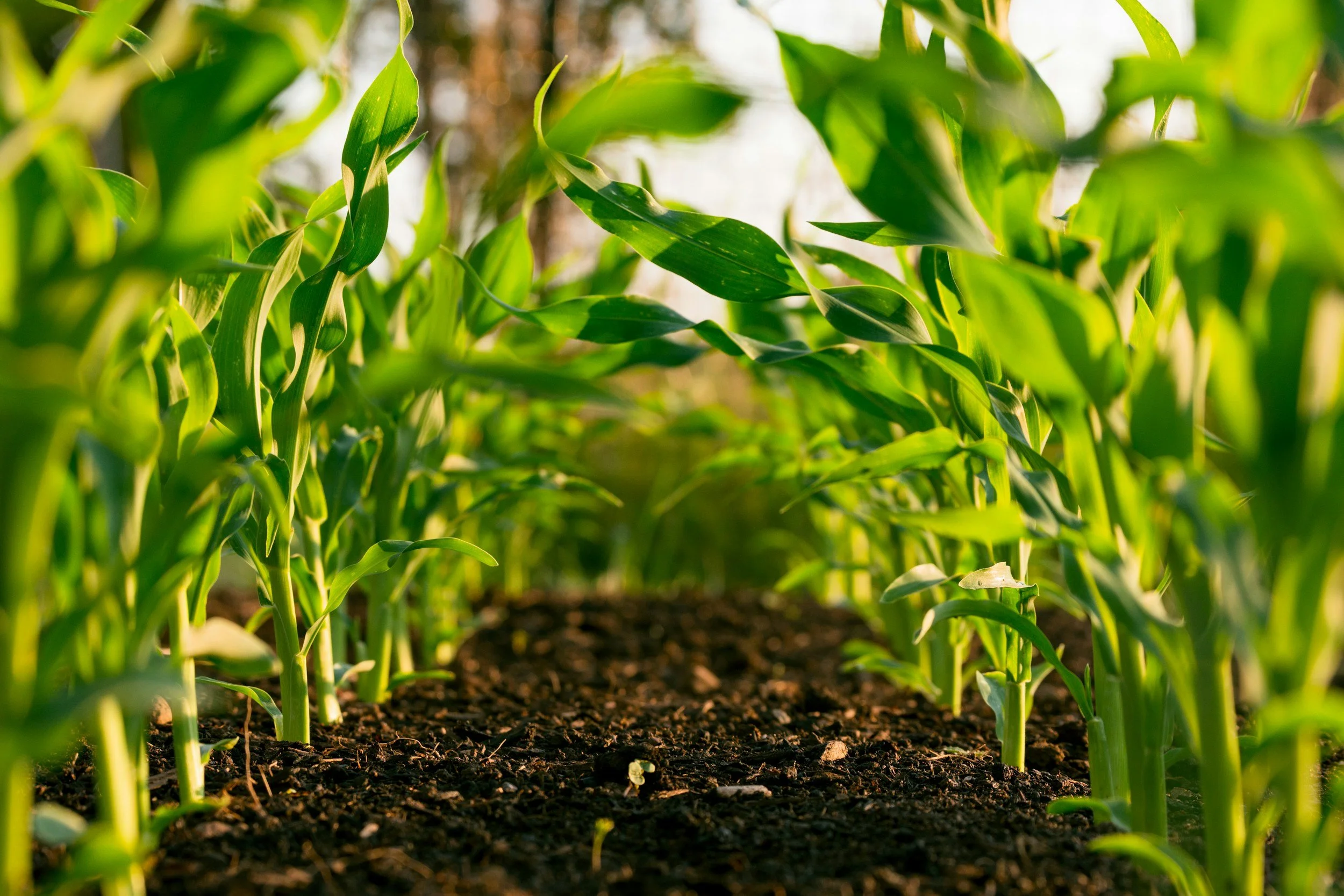
Building Healthier Soil: Why It Matters for Davidson County Agriculture
Soil health is becoming one of the most important topics in modern agriculture—not just across North Carolina, but right here in Davidson County. As farmers face changing weather patterns, pressure on input costs, and growing interest in sustainable food systems, many are turning their attention back to the foundation of it all: the soil.
Healthy soil is more than dirt. It is a living ecosystem that supports plant growth, regulates water, cycles nutrients, filters pollutants, and helps farms stay resilient in the face of stress like drought and heavy rainfall.
Across the region, farmers are increasingly adopting practices that protect and rebuild soil health, creating long-term benefits for both the land and the local food system.
What “Healthy Soil” Really Means
Soil health refers to the soil’s ability to function as a living system that sustains plant, animal, and human life. In agriculture, this includes its ability to:
Support productive crop growth
Hold and move water efficiently
Cycle and store nutrients
Maintain biological activity
Recover from stress and disturbance
In simpler terms: healthy soil doesn’t just grow food today—it stays productive for future generations.
Core Practices That Build Soil Health
Most soil health strategies used in North Carolina are built around four key principles:
Keep soil covered as much as possible
Minimize soil disturbance
Keep living roots in the soil year-round
Increase biodiversity through crop rotation and cover crops
These principles show up in real-world farming practices across Davidson County and the surrounding Piedmont region.
Cover Crops: One of the Biggest Game Changers
Cover crops are plants grown not for harvest, but to protect and improve the soil between production cycles.
They play a major role in soil improvement by:
Preventing erosion
Improving water retention
Supporting beneficial microbes
Reducing nutrient loss
Increasing organic matter over time
In North Carolina, cover cropping is already widely used compared to national averages, especially in the Piedmont and coastal regions.
Conservation Tillage and Reduced Disturbance
Another major soil health strategy is reducing how often and how deeply soil is disturbed.
Less tillage helps:
Preserve soil structure
Protect beneficial organisms
Reduce erosion and runoff
Improve long-term fertility
When combined with cover crops and crop rotation, reduced tillage systems can significantly improve soil resilience over time.
Why This Matters Locally
For Davidson County, soil health is directly tied to:
Farm productivity and profitability
Water quality in local streams and waterways
Long-term land preservation
Strengthening the local food economy
Healthier soil also helps farms better handle unpredictable weather conditions, making operations more stable year after year.
The Bigger Picture
Soil health isn’t just an agricultural issue—it’s a community issue. Every farm that invests in soil-building practices is also investing in cleaner water, stronger local food systems, and a more resilient regional economy.
As more farmers in Davidson County adopt soil-friendly practices, the benefits continue to grow beyond the field and into the broader community.
Final Thoughts
Healthy soil is not built overnight—it’s built through consistent, intentional management. But the payoff is long-term resilience, stronger farms, and better food for everyone.
Davidson County agriculture is part of a larger shift happening across North Carolina: a move toward farming systems that don’t just take from the land, but actively improve it.
Sources: