
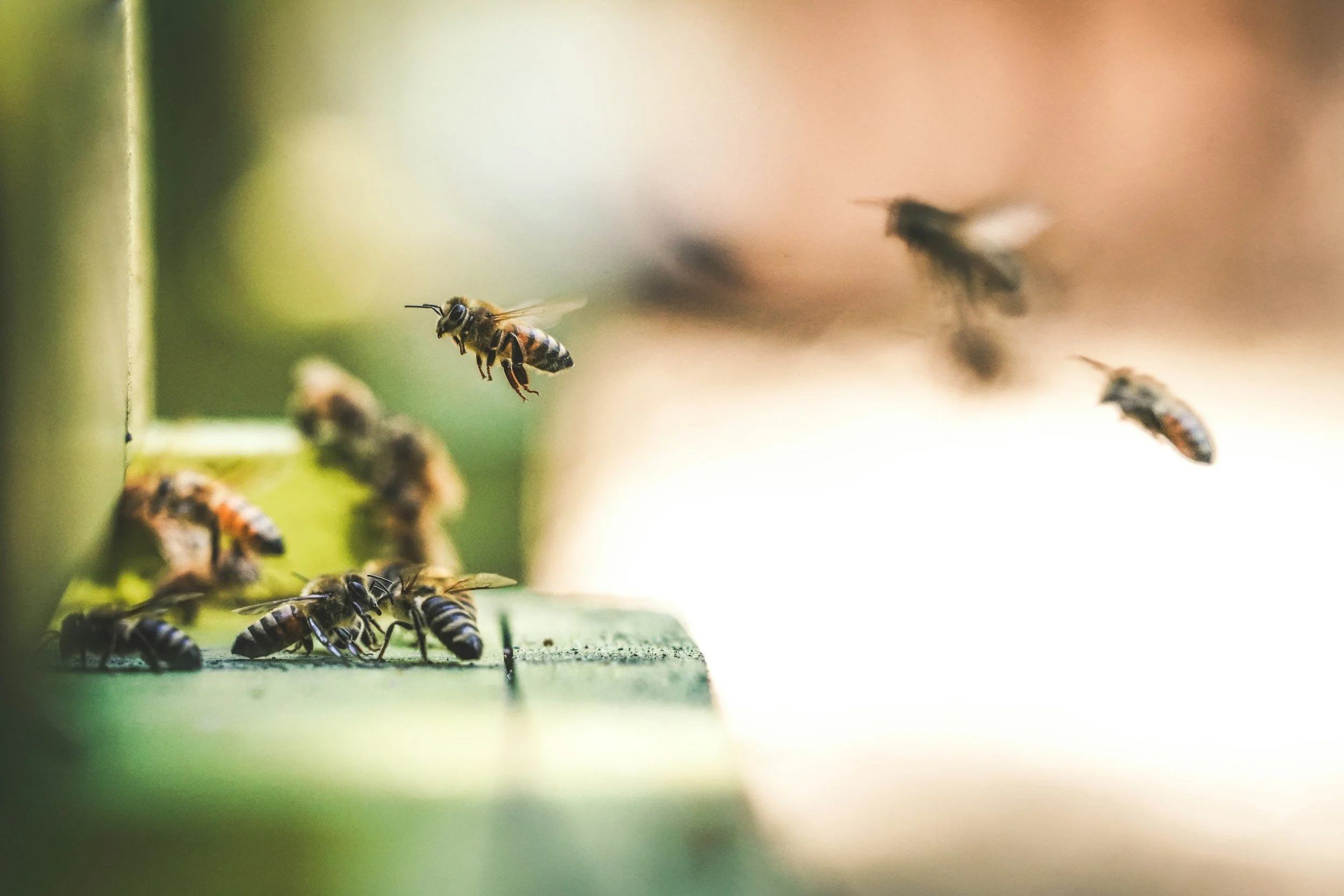
When we think about the food on our tables, we often picture farmers, fields, and fresh harvests. But behind every juicy strawberry, crisp cucumber, and summer squash is a hardworking team of pollinators. Bees, butterflies, moths, beetles, birds, and even bats play a critical role in producing many of the foods we enjoy every day.
June is National Pollinator Month, making it the perfect time to celebrate these tiny workers and learn how we can help them thrive in Davidson County and beyond.
Why Pollinators Matter
Pollinators transfer pollen from one flower to another, allowing plants to produce fruits, vegetables, seeds, and nuts. Without pollinators, many crops would see significantly reduced yields—or disappear altogether.
According to the U.S. Department of Agriculture, roughly one-third of the food we eat depends on pollinators. Their work supports not only food production but also healthy ecosystems and biodiversity.
Crops That Depend on Pollinators
Many of the foods grown by local farmers rely on pollinators, including:
Strawberries
Blueberries
Blackberries
Watermelons
Cucumbers
Squash and zucchini
Pumpkins
Peppers
Tomatoes
Apples
Herbs and flowering vegetables
The next time you enjoy a locally grown strawberry or slice of watermelon, remember to thank a bee.
How You Can Help Pollinators at Home
Supporting pollinators doesn't require a farm. Small actions can make a big difference:
Plant Native Flowers
Choose a variety of flowers that bloom throughout the growing season to provide a continuous food source.
Reduce Pesticide Use
Avoid spraying flowering plants whenever possible, especially during peak pollinator activity.
Create Habitat
Leave some natural areas in your yard, add a bee house, or allow flowering herbs to bloom.
Provide Water
A shallow dish with stones gives pollinators a safe place to drink.
Pollinator-Friendly Plants for North Carolina
Consider adding these pollinator favorites to your garden:
Purple Coneflower
Black-Eyed Susan
Bee Balm
Milkweed
Goldenrod
Asters
Native Sunflowers
Coreopsis
Salvia
These plants support bees, butterflies, hummingbirds, and other beneficial insects throughout the season.
Local Farms and Pollinator Stewardship
Many local farmers understand that healthy pollinator populations are essential to successful harvests. Across Davidson County and the surrounding region, farmers support pollinators by planting flowering borders, maintaining natural habitats, diversifying crops, and using integrated pest management practices.
These efforts help create a healthier local food system while supporting the pollinators that make food production possible.
Get Involved
This June, consider planting a pollinator-friendly flower, visiting a local farm, or purchasing locally grown foods that benefit from pollinator services. Every action—no matter how small—helps strengthen our food system and supports the farmers and pollinators working together to feed our community.
Healthy Pollinators = Healthy Farms = Healthy Communities
Sources
This would pair nicely with photos of local flowers, bees on strawberry blossoms, butterfly gardens, or farmers growing pollinator-dependent crops.