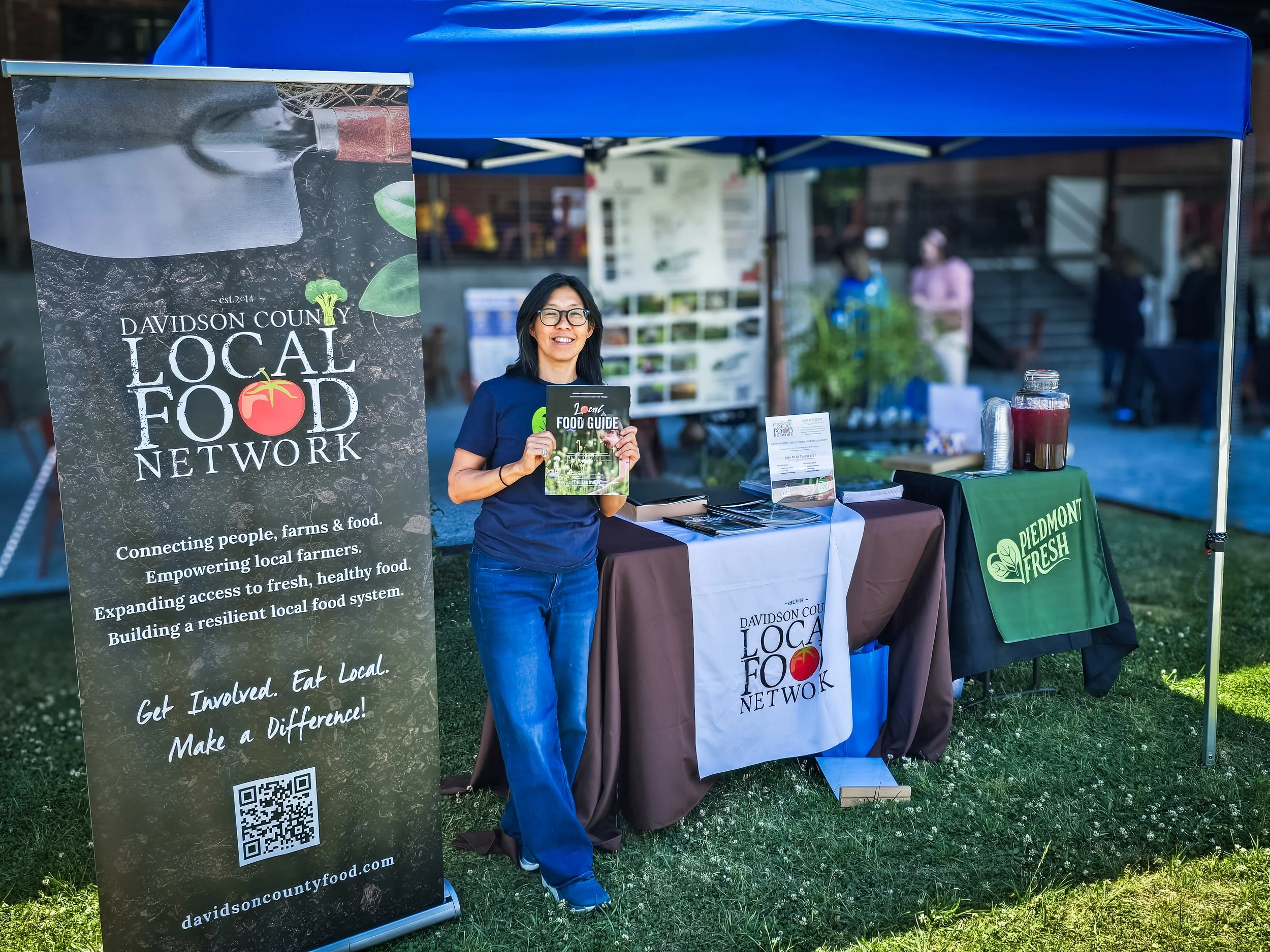
Who We Are & Why We Do What We Do
When we talk about local food, we’re talking about more than what ends up on your plate.
We’re talking about the farmer who grew it. The family trying to put fresh food on the table. The farmers market where neighbors gather on Saturday morning. The small food business building something from the ground up. And the connections that make all of those pieces work together.
That’s where the Davidson County Local Food Network comes in.
So, Who Is DCLFN?
The Davidson County Local Food Network (DCLFN) is a nonprofit organization working to strengthen the local food system throughout Greater Davidson County.
Our mission is to strengthen access to affordable, locally grown food by connecting farmers and community partners to build a healthy regional food system.
Our vision is a community where farmers thrive and everyone has abundant, reliable access to locally grown and locally made food.
We often sum it up with one simple idea:
Healthy Farmers = Healthy People = Healthy Community
Because all three are connected.
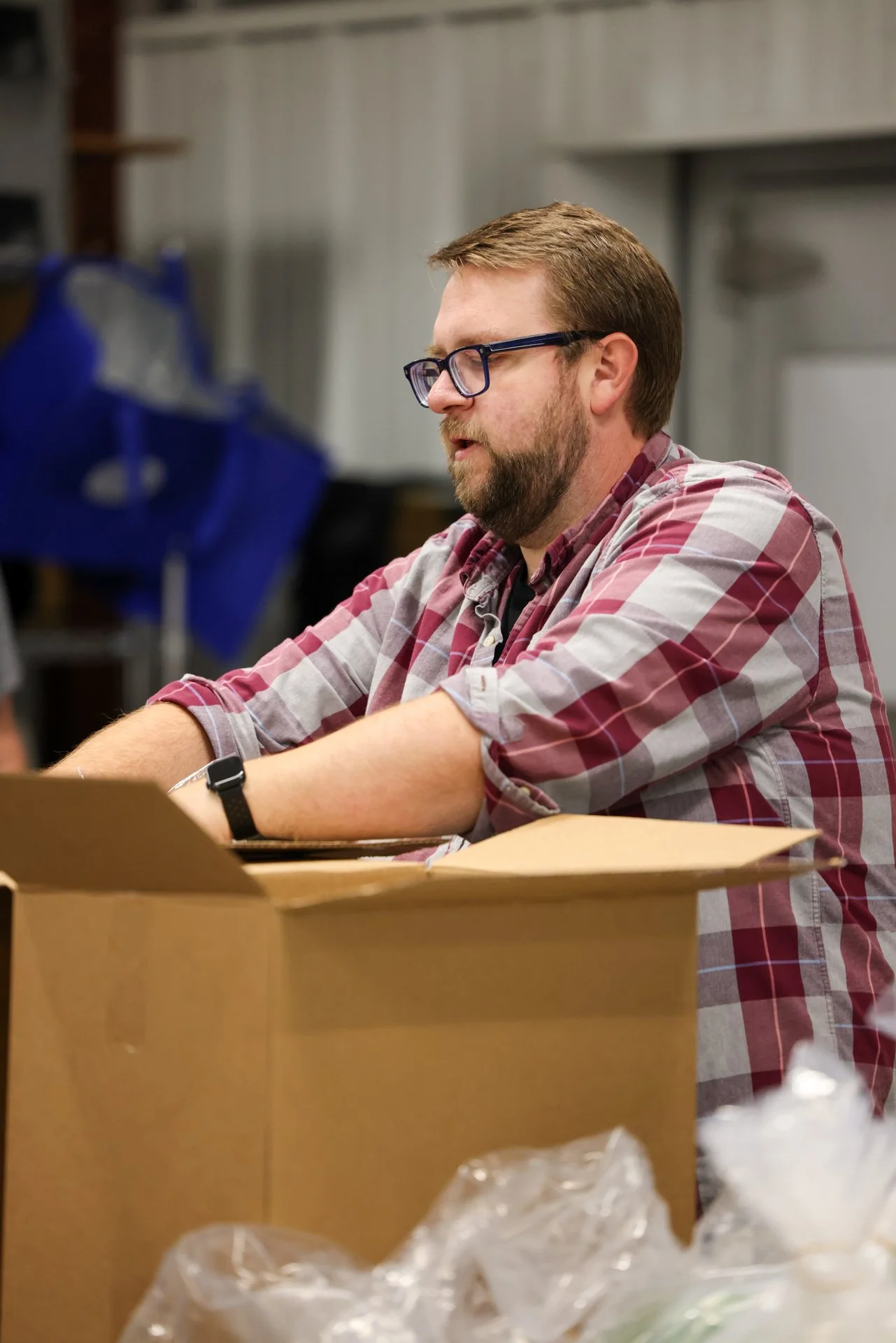
Why Does Local Food Matter?
A strong local food system doesn't happen automatically.
Farmers need customers, resources, connections, and opportunities to grow their businesses. Community members need ways to find local food and understand where they can purchase it. Families need affordable options. Farmers markets and small food businesses need community support. Organizations need information to understand where gaps in our food system still exist.
Our role is to help connect those pieces.
Sometimes that work is highly visible, like a farmers market, Farm Tour, Local Food Guide, or community event.
Other times, it happens behind the scenes through partnerships, education, data collection, farmer support, food access initiatives, and conversations about what our community needs next.
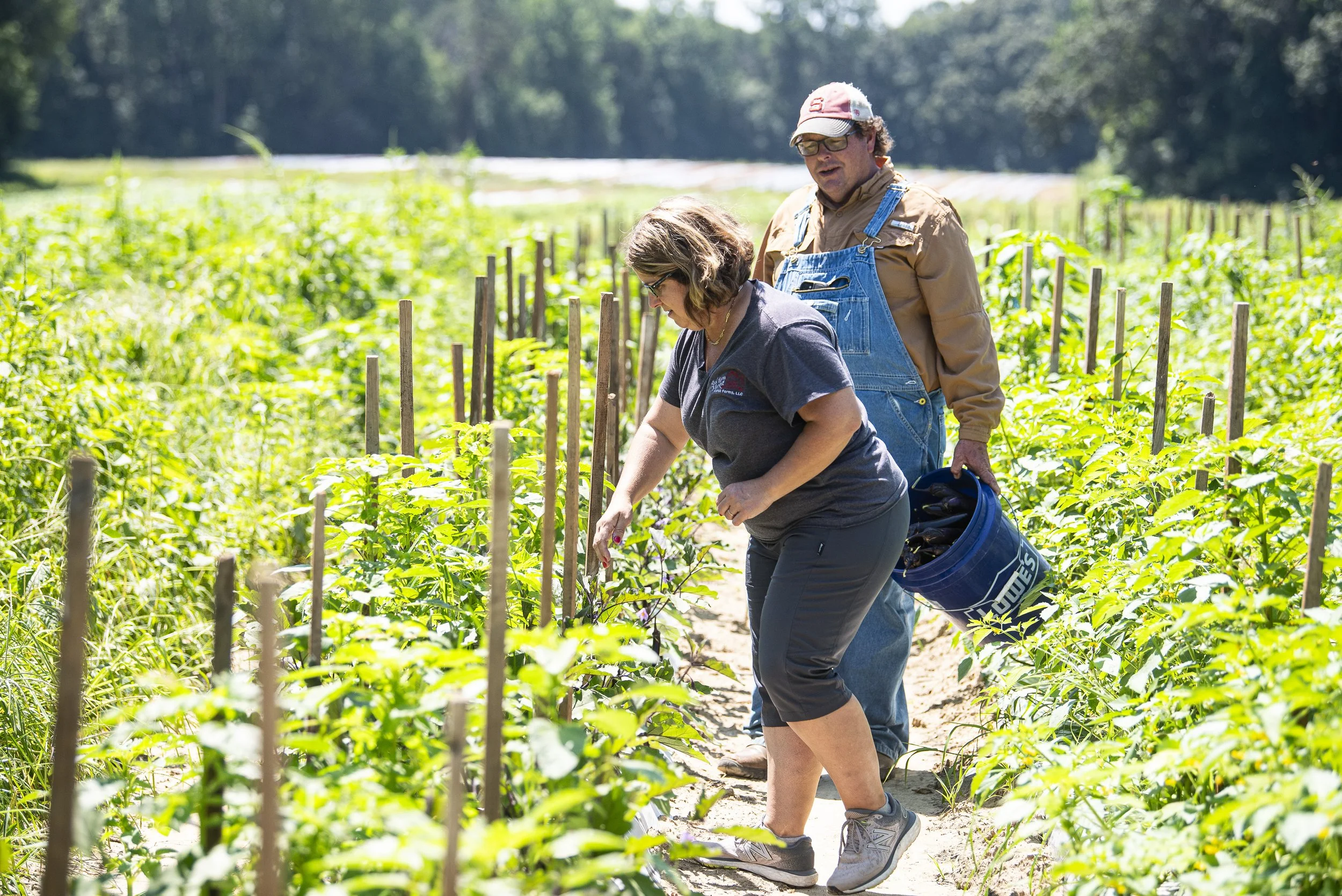
Supporting the People Who Grow Our Food
Local farms are businesses, livelihoods, family legacies, and an important part of Davidson County's identity.
DCLFN works to support beginning farmers while also helping established farms find opportunities to grow, reach new customers, and strengthen their businesses.
We also encourage responsible and sustainable agricultural practices that help protect the long-term health and resilience of our farms and local food system.
When local farms succeed, more locally grown food can stay within our community.
Making Local Food Easier to Find
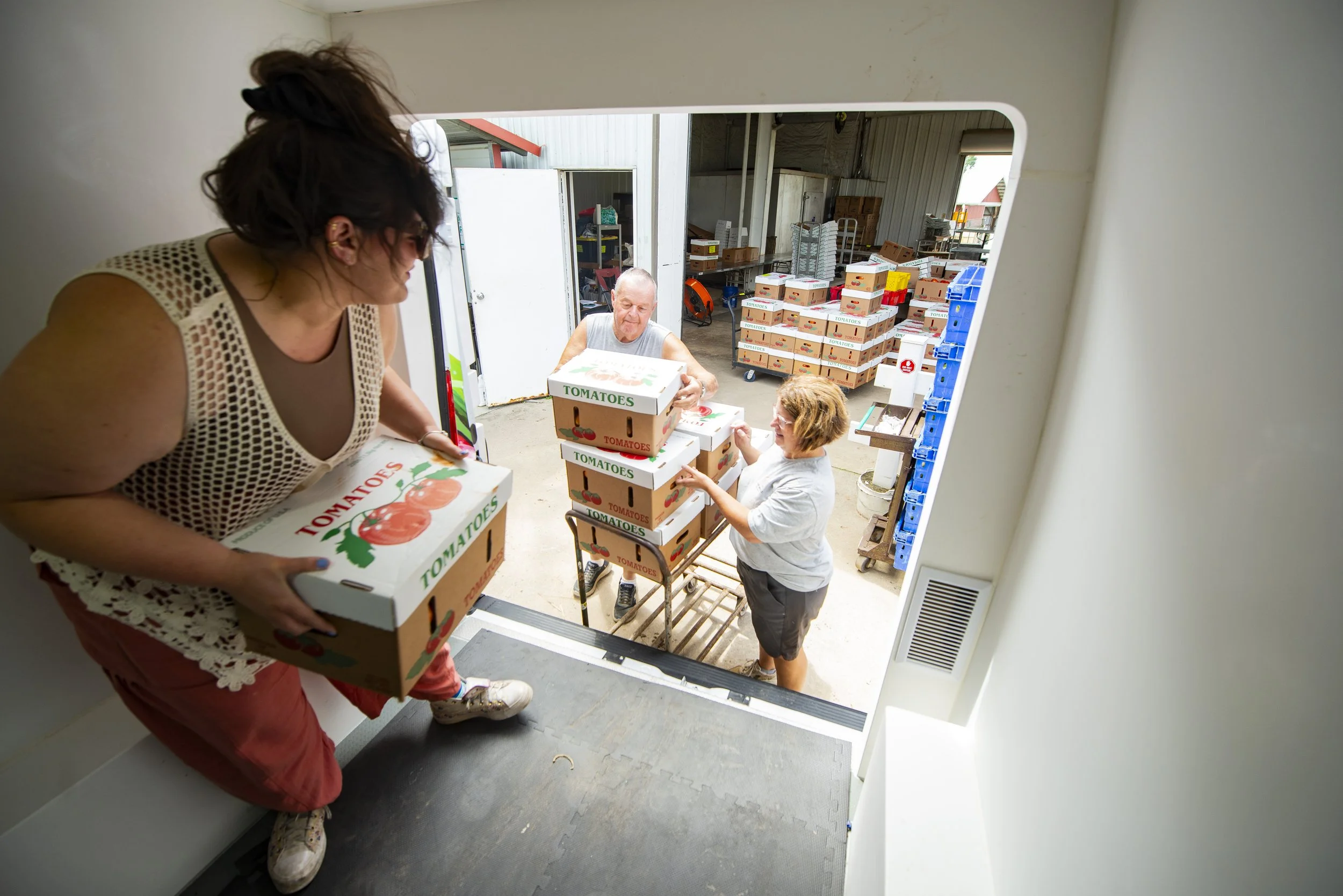
One of the biggest challenges with shopping locally is simply knowing where to go.
That's why connecting consumers with producers is such an important part of our work.
Through resources like our Local Food Guide, community outreach, farm events, farmers markets, and educational programming, we help residents discover farms, farm stands, markets, local food businesses, and other opportunities to shop locally.
And through Piedmont Fresh, an initiative of DCLFN, we're building another connection between local producers and the people who want to support them.
Piedmont Fresh: Rooted in Community. Growing Together.
Piedmont Fresh connects farmers, food producers, and consumers as part of a vibrant regional food system.
Whether you're looking for fresh produce for your family, locally made products, seasonal ingredients, or food grown closer to home, Piedmont Fresh helps make those connections easier.
But Piedmont Fresh is about more than selling food.
Every local purchase represents a connection between a producer and a customer, with more dollars circulating within our regional food economy.
Supporting Our Farmers Markets
DCLFN is also proud to support the farmers markets serving Davidson County.
The Lexington Farmers Market and Thomasville Farmers Market give farmers and local makers opportunities to sell directly to their communities while giving residents access to fresh, locally produced food.
These markets also play an important role in food access. Programs such as SNAP/EBT and available incentive programs can help make fresh local food more accessible to families throughout our community.
Farmers markets are also something harder to measure. They are gathering places.
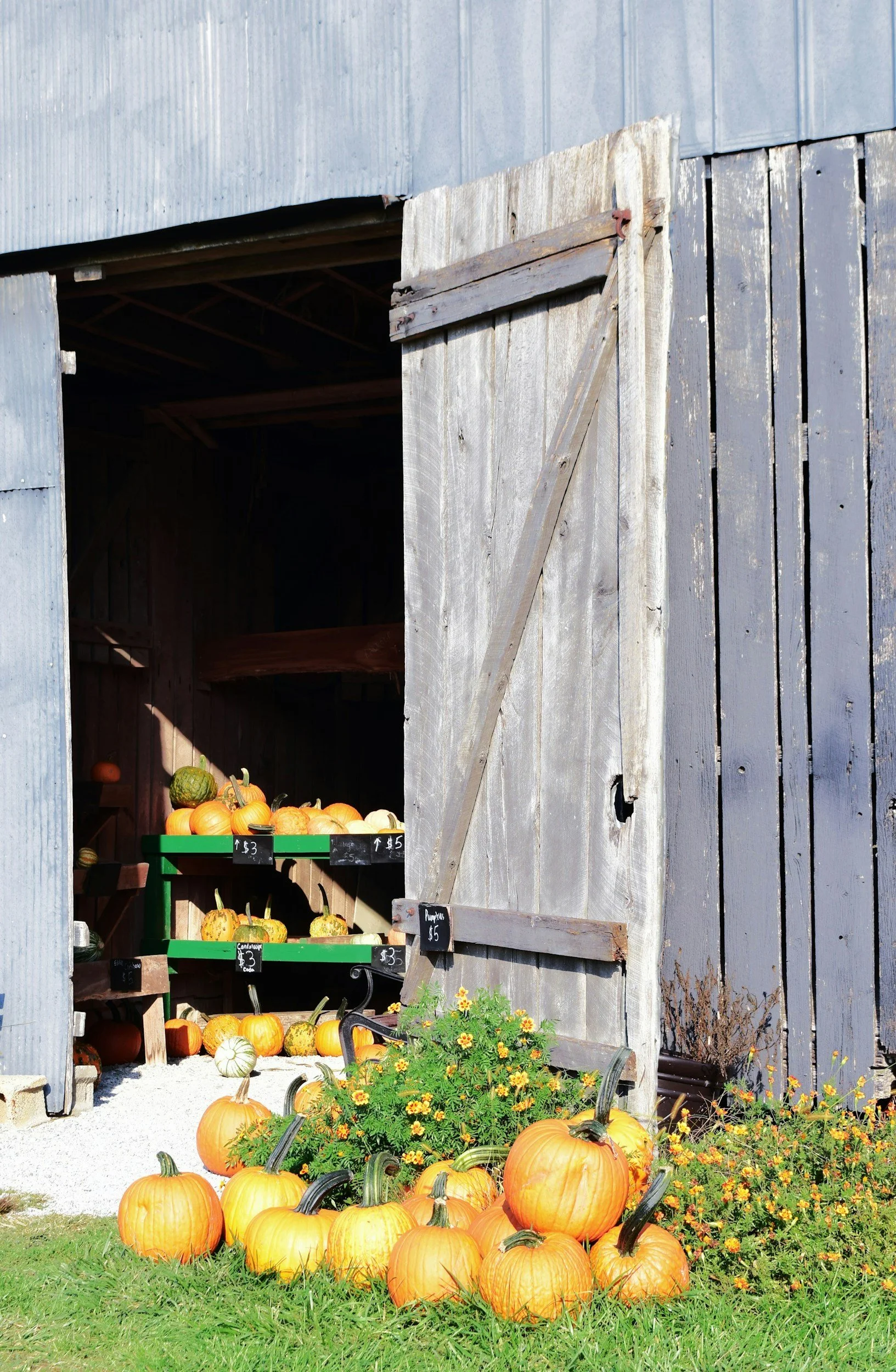
They're places to meet the people growing your food, discover something new, bring your kids, ask questions, and reconnect with the agricultural community around us.
Helping People Experience Agriculture
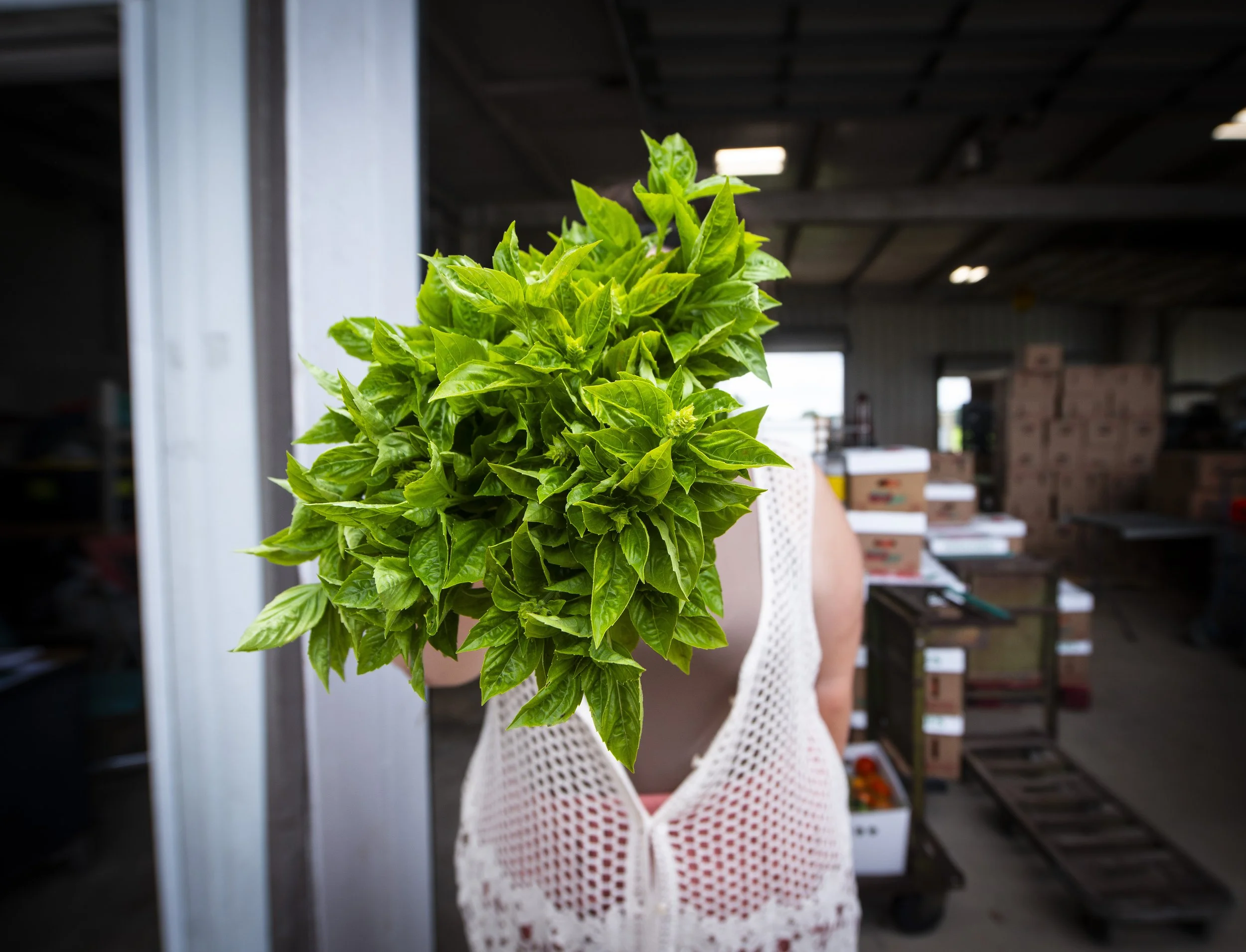
Sometimes the best way to understand why local agriculture matters is to experience it firsthand.
Programs and events such as the Davidson County Farm Tour give community members an opportunity to step onto local farms, meet farmers, learn how food is grown and raised, and see the work that goes into agriculture.
That connection matters.
When you know the person behind your food, “shop local” becomes more than a slogan.
It becomes personal.
Growing Food Knowledge
Building a healthy food system also means giving people the knowledge and resources to participate in it.
DCLFN supports community and home vegetable gardening efforts throughout Davidson County, including partnerships and conversations surrounding community gardens, youth education, gardening skills, and opportunities for residents to grow food at home.
Not everyone has acres of land, and they don't need them.
A backyard garden, raised bed, community plot, or even a container of vegetables can help someone learn more about food, seasonality, agriculture, and self-sufficiency.
Understanding Our Local Food System
Some of our most important work isn't something you'll see at an event. DCLFN also collects and analyzes information about Davidson County's food system.
That includes information surrounding farmers markets, Farm Tour participation, farms selling directly to consumers, community gardens, commercial kitchens, food pantries, and businesses sourcing or selling local products.
Why?
Because we can't strengthen our local food system if we don't understand it.
Data helps us identify gaps, recognize opportunities, measure progress, and make better decisions about where our community's resources and partnerships can make the greatest impact.
It Takes a Community
DCLFN isn't the farmer.
We're not the farmers market.
We're not the family shopping for vegetables.
We're not the organization fighting food insecurity.
We're not the restaurant looking for local ingredients.
We're the network connecting them.
Our work depends on farmers, producers, residents, businesses, nonprofits, local leaders, volunteers, community organizations, and people who simply decide that supporting local food matters.
Every connection strengthens the network.
Every farmer supported matters.
Every person who discovers a local producer matters.
Every family that gains better access to fresh food matters.
And every dollar spent locally has the opportunity to support the people and businesses that make our community what it is.
Why We Do What We Do
Because we want farmers to thrive.
Because we want local food businesses to grow.
Because we want families to know where their food comes from.
Because fresh, locally grown food should be accessible.
Because Davidson County has an agricultural community worth protecting, supporting, and celebrating.
And because when we invest in the people who grow our food, we invest in the health and future of our entire community.
Healthy Farmers = Healthy People = Healthy Community.
That is who we are.
And that is why we do what we do.
How Can YOU Help?
Building a stronger local food system takes all of us. Whether you have time to give, want to support our work financially, or simply want to become more involved in local food, there are ways you can help.
Donate
As a nonprofit organization, donations help DCLFN continue our work supporting local farmers, improving food access, providing community education, and strengthening our local food system.
Every contribution helps us continue building connections between farmers, food, and the people of our community.
Volunteer at the Food Hub
You can also make a difference by giving your time.
Volunteers at the Piedmont Fresh Food Hub help us with the hands-on work that keeps local food moving through our community. Volunteer opportunities may include helping pack and prepare food, assisting with food access programs, and supporting other Food Hub activities.
It's a great way to see the local food system in action while directly supporting the farmers and community members who are part of it.
Support Local
Helping doesn't always mean donating money or volunteering.
Shop from local farmers. Visit our farmers markets. Choose locally grown and locally made products when you can. Attend community events. Tell your friends about a farm you love. Share our resources. Learn where your food comes from.
Small choices can make a meaningful difference.
When you support local food, you're helping create more opportunities for farmers, strengthening our local economy, and helping build a food system that can continue serving our community for years to come.
Donate. Volunteer. Shop Local. Spread the Word.
There is a place for everyone in our local food network.