• Mission
    • Our Impact
    • Staff
    • Piedmont Fresh
    • Our Producers
    • Our Programs
    • OUR BLOG
    • Beginner Farmer
    • Farm Emergency Resources
    • Food Resources
    • Calendar
    • Farm Workshops
    • Farm Tour 2026
  • Local Food Guide
    • Careers
    • Volunteer
    • Give Today
    • Community Gardens
    • Master Gardener Volunteers
Menu

Davidson County Local Food Network

Street Address
City, State, Zip
Phone Number

Your Custom Text Here

Davidson County Local Food Network

  • About Us
    • Mission
    • Our Impact
    • Staff
  • Food Hub
    • Piedmont Fresh
    • Our Producers
    • Our Programs
  • Resources
    • OUR BLOG
    • Beginner Farmer
    • Farm Emergency Resources
    • Food Resources
  • Events
    • Calendar
    • Farm Workshops
    • Farm Tour 2026
  • Local Food Guide
  • Get Involved
    • Careers
    • Volunteer
    • Give Today
    • Community Gardens
    • Master Gardener Volunteers

Soil Health and “Living Soil”: Why It Matters

June 23, 2026 Jessica Rogers

Soil Health and “Living Soil”: Why It Matters More Than You Think

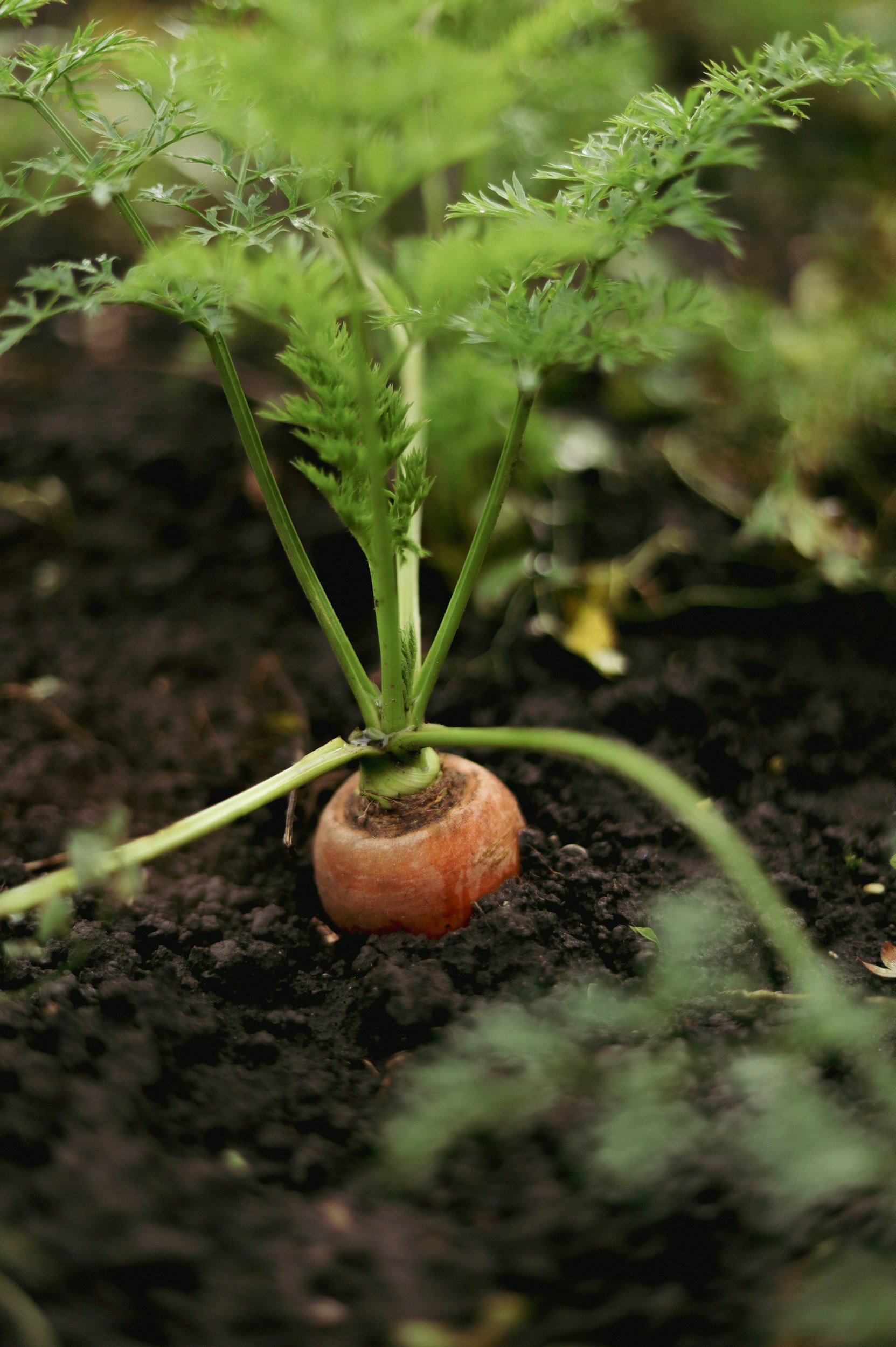
Soil is often treated like dirt, but in reality it’s much more than that. Healthy soil is alive, active, and constantly working behind the scenes to support everything we grow and eat.

When people talk about “living soil,” they’re referring to soil that is biologically active—full of microbes, fungi, organic matter, and nutrients all working together. This living system is what supports strong plants, productive farms, and resilient gardens.

What makes soil “alive”

Living soil is built on biology.

North Carolina State University Extension describes soil health as the ability of soil to function as a living ecosystem that supports plant growth, water regulation, and nutrient cycling while maintaining long-term productivity. https://soilmanagement.ces.ncsu.edu/soil-health/

That means soil is not just a growing medium—it is an active system.

Healthy soil typically includes:

  • Microorganisms like bacteria and fungi

  • Organic matter from decomposed plant and animal material

  • Air pockets that allow roots to breathe

  • Moisture that supports biological activity

When all of these elements are present and balanced, soil becomes more productive and resilient.

Composting, cover crops, and building soil life

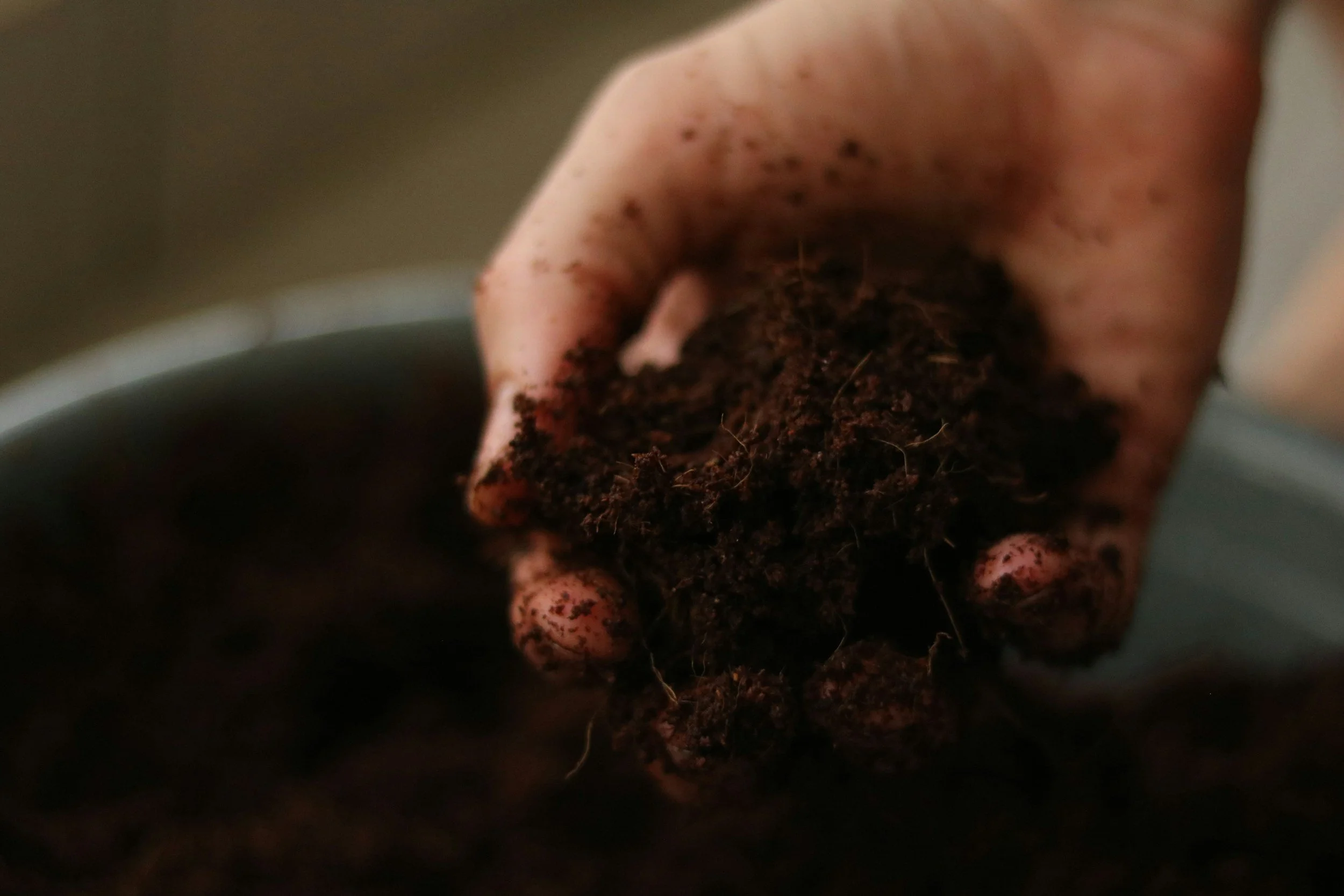
One of the simplest ways to support living soil is through composting. Compost adds organic matter back into the soil, feeding the microbial life that plants depend on.

Cover crops are another key practice used across North Carolina. These are crops planted not for harvest, but to protect and improve the soil between growing seasons. They help reduce erosion, improve structure, and add nutrients back into the system.

Reduced tillage practices also play an important role. Limiting how often soil is disturbed helps protect soil structure and preserve the microbial networks that live within it.

These practices are widely supported through Extension programs and soil health initiatives across the state because they directly improve long-term soil function.

Why healthy soil leads to healthier food

Healthy soil doesn’t just support plant growth—it influences plant quality, resilience, and nutrient availability.

When soil biology is active and balanced, plants are better able to access nutrients and water. This often leads to stronger crops that can better withstand stress from weather, pests, and disease.

In simple terms, healthier soil creates stronger growing conditions, which support healthier food systems overall.

What this looks like at home and in gardens

Living soil isn’t just a farm concept—it applies directly to home gardens as well.

Simple ways to build soil health at home include:

  • Adding compost regularly

  • Leaving plant roots in the soil after harvest when possible

  • Using mulch to protect soil moisture

  • Rotating crops in garden beds

  • Avoiding over-tilling or excessive disturbance

Even small changes can make a noticeable difference over time.

Why this matters for local food systems

Soil health is one of the most important foundations of local agriculture. Whether it’s a large farm or a backyard garden, soil biology plays a major role in how food is grown and how resilient growing systems are.

In North Carolina, soil health research and Extension programs continue to emphasize that long-term productivity depends on maintaining soil as a living system, not a static resource.

Final thoughts

Soil is often out of sight and out of mind, but it is doing far more work than most people realize.

When soil is healthy and alive, everything connected to it benefits—plants, farms, gardens, and communities.
Regenerative Agriculture: What It Means

June 19, 2026 Jessica Rogers

Regenerative Agriculture: What It Means and Why It’s Everywhere Right Now with a North Carolina Perspective

Regenerative agriculture is showing up more and more in farming conversations, but what does it actually mean?

At its simplest, regenerative agriculture is a way of farming that focuses on improving the health of the land instead of just using it. The goal is to rebuild soil health, improve water retention, increase biodiversity, and support long-term farm productivity.

In North Carolina, this conversation is already active through Extension programs, farmer-led coalitions, and on-the-ground research.

Soil health is the foundation

North Carolina State University Extension defines soil health as the ability of soil to function as a living system that supports plant and animal life while maintaining environmental quality. Healthy soils regulate water, cycle nutrients, and support resilient crop production. https://soilmanagement.ces.ncsu.edu/soil-health/

That definition aligns closely with regenerative agriculture’s focus, since both center on soil function as the foundation of agricultural systems.

Across North Carolina research and Extension work, soil health is consistently tied to water infiltration and retention, nutrient cycling, erosion prevention, and long-term farm resilience.

What regenerative practices look like in North Carolina

Research and Extension programs in North Carolina highlight many practices associated with regenerative agriculture, including cover cropping, reduced tillage or no-till systems, crop rotation, composting and organic amendments, and integrating livestock into cropping systems.

These practices are studied and supported through organizations such as North Carolina State University Extension and the Center for Environmental Farming Systems, which focus on building more resilient and sustainable farming systems through soil-centered approaches. https://cefs.ncsu.edu/

Farmers in North Carolina are already doing this work

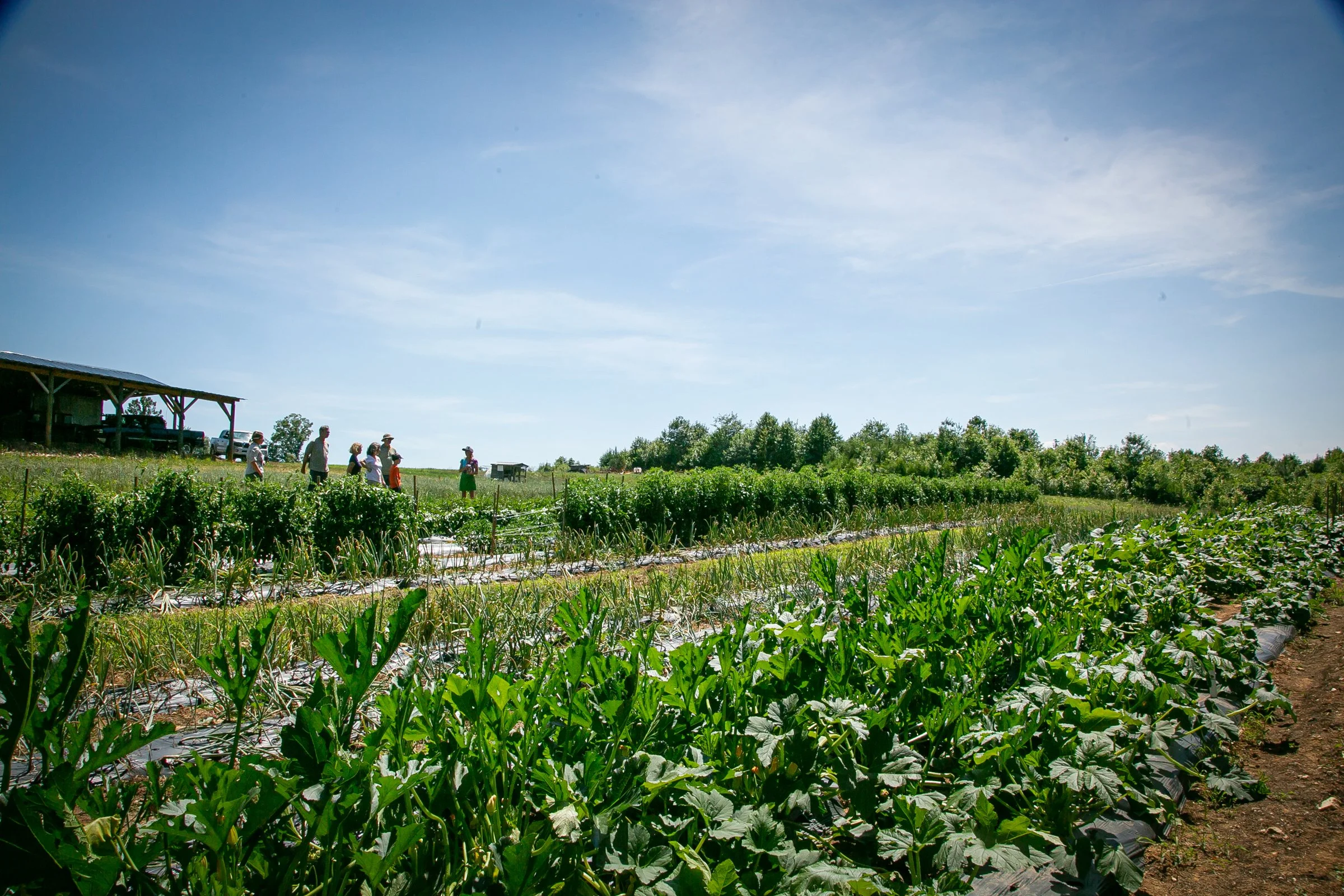
Across the state, regenerative practices are not theoretical. They are already in use on working farms.

The North Carolina Soil Health Coalition highlights farmers using no-till systems, cover crops, and rotational grazing to improve soil health and reduce input costs. Many farmers report that improving soil health helps increase resilience during unpredictable weather and reduces long-term reliance on external inputs. https://www.ncsoilhealth.org/

One consistent theme across farmer-led networks in North Carolina is that starting small is often the most practical way to begin improving soil health systems.

Why this matters now

Farming in North Carolina, like much of the country, is facing increasing pressure from changing weather patterns, rising input costs, soil health challenges, and growing demand for sustainable production practices.

Regenerative agriculture is becoming a central topic because it connects directly to these challenges. Rather than focusing only on short-term production, it emphasizes long-term land resilience and system stability.

The bigger picture

Regenerative agriculture is not a new concept. Many of the practices associated with it have been used by farmers for generations. What has changed is the increased focus on soil health as a measurable, living system supported by modern research.

In North Carolina, that shift is already underway through research institutions, Extension programs, and farmer networks working to strengthen long-term agricultural resilience.

Tags events, education, resources

Root to Tip: Making the Most of Every Harvest

June 12, 2026 Jessica Rogers

Root to Tip: Making the Most of Every Harvest

When most people think about vegetables, they focus on the part they know best—the carrot root, the tomato fruit, or the zucchini on the vine. But many vegetables offer much more than a single harvest. Leaves, blossoms, stems, and even flowers can provide flavor, nutrition, and beauty throughout the growing season.

A root-to-tip approach encourages us to use more of what we grow, reduce food waste, and discover new ways to enjoy seasonal produce. It also helps gardeners see opportunity rather than disappointment when plants grow beyond their expected harvest window.

Squash: More Than Just Zucchini

Summer squash plants are known for their abundance. Once they begin producing, it can feel like there is always another zucchini or yellow squash ready to harvest. What many people don't realize is that the entire plant offers edible possibilities.

Squash blossoms have long been enjoyed in Italian and Mexican cuisine. Male blossoms, which grow on long, thin stems, can be harvested without affecting squash production. They are delicious lightly sautéed with garlic and olive oil or added to tacos, pasta dishes, and quesadillas.

The leaves are another often-overlooked ingredient. Around the world, squash and pumpkin leaves are commonly used in soups, stews, stir-fries, and wraps. When cooked, they become tender and develop a mild flavor similar to spinach.

Of course, the squash itself remains one of summer's most versatile vegetables. Whether grilled, roasted, sautéed, or enjoyed raw when young and tender, summer squash can be incorporated into countless meals.

Don't Forget About Radishes

Radishes are another excellent example of a root-to-tip vegetable. While the crunchy roots are the most familiar part, the greens are equally useful in the kitchen. Young leaves can be added to salads, while mature greens can be sautéed or blended into pesto.

If radishes are left in the garden too long, they eventually bolt and produce flowers. Rather than viewing this as a lost harvest, consider it another opportunity. Radish flowers are edible, beautiful, and add a mild peppery flavor to salads and garnishes.

Finding Abundance in the Garden

Gardening doesn't always go exactly as planned. Plants bolt, weather changes unexpectedly, and harvest windows are sometimes missed. A root-to-tip mindset reminds us that every stage of a plant's life has value.

By learning to use leaves, blossoms, and other edible plant parts, we can stretch the value of our harvests while discovering new flavors and traditions from around the world. It's a simple way to reduce waste, save money, and deepen our connection to the food we grow and eat.

This is just one example of how local food can inspire creativity in the kitchen. For more gardening tips, seasonal recipes, farmer spotlights, and ways to support local agriculture, be sure to check out our Local Food Guide. There's plenty more to discover!

Read more in our food guide
← Newer Posts Older Posts →
 

Davidson County Local Food

OUR MISSION

NEWSLETTER

EVENTS

OUR BLOG

Piedmont Fresh

ABOUT US

OUR PRODUCERS

SHOP NOW

PF NEWSLETTER


Davidson County Local Food Network is a 501c(3) non-profit organization. Any donations made to the DAVIDSON COUNTY LOCAL FOOD NETWORK are tax-deductible.

©2014-2025 DAVIDSON COUNTY LOCAL FOOD NETWORK