Winterizing Your Garden in Davidson County Protecting Winter Crops
🌿 Winter Garden Prep for a Successful New Year
Just because the temperatures are dropping and frost is in the air doesn’t mean your garden has to go dormant. December is actually one of the best times to prepare for a successful spring harvest, giving your soil, crops, and tools a head start when the planting season arrives. Here’s how you can make the most of your winter garden time in Davidson County.
Clean and Protect Your Beds
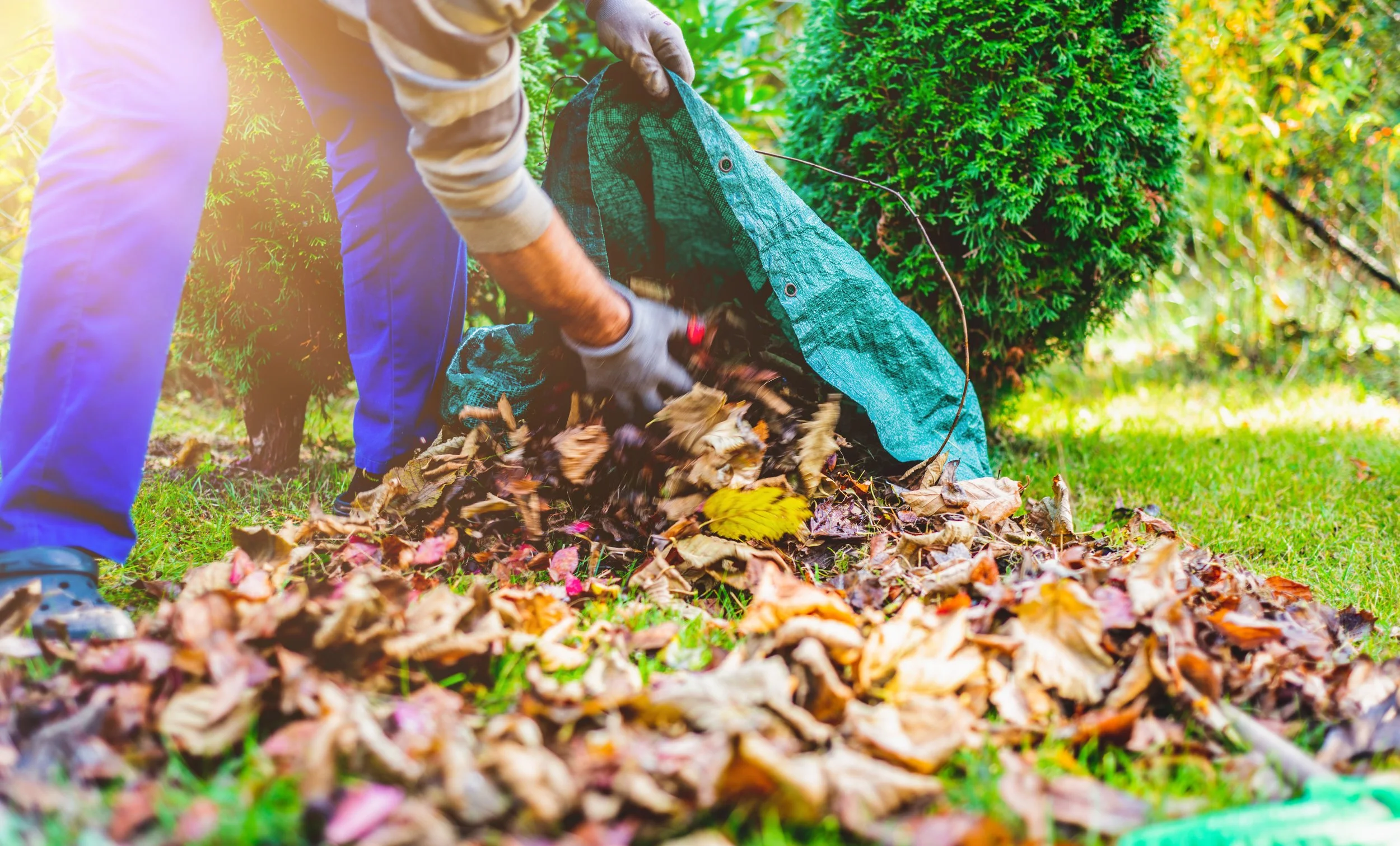
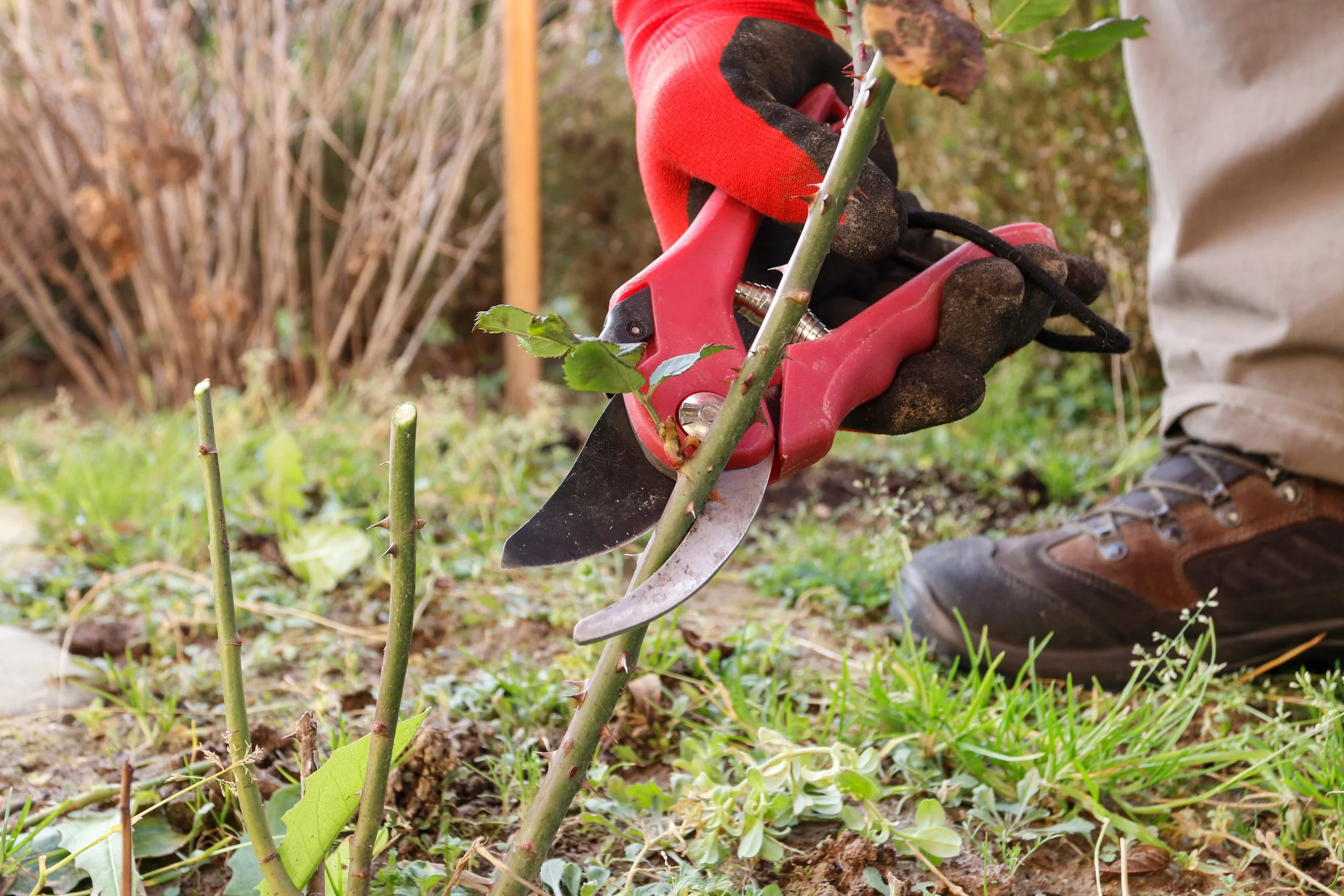
The first step to winterizing your garden is a thorough clean-up. Remove spent plants, weeds, and anything showing signs of disease. Leaving debris behind can harbor pests or diseases that will reappear in spring, so it’s important to start fresh. Once your beds are cleared, apply a generous layer of mulch — between three and six inches — using straw, leaves, or finished compost. Mulching insulates the soil, helps retain nutrients, and prevents erosion during heavy winter rains. Raised beds, in particular, benefit from the extra insulation since they tend to cool faster than in-ground beds.
Test Your Soil and Make Adjustments
Winter is the perfect time to give your soil a check-up. Collect a sample and submit it to your local NC Cooperative Extension for analysis. The results will tell you if your soil needs lime, compost, or other amendments to balance nutrients. Taking care of these adjustments now gives the soil time to absorb and integrate nutrients, ensuring it’s in top shape for early spring planting. Healthy soil is the foundation of a productive garden, and a little effort in winter pays off when your crops are ready to grow.
Plan Your Spring Garden
December is also the ideal month to plan your spring crops. Think about which vegetables, herbs, and fruits you want to grow next season, and consider crop rotation to prevent nutrient depletion and reduce disease pressure. By deciding now what goes where, you’ll save time and avoid scrambling in the spring. Ordering seeds or starter plants ahead of time ensures you have everything ready when it’s planting season.
Start Indoors or Under Cover
For gardeners eager to get a head start, winter is a good time to start seeds indoors or under protective covers. Herbs, leafy greens, and other small crops can be grown on a sunny windowsill or in a mini-greenhouse. For those with cold frames or low tunnels, setting up seedlings now gives them a jump-start so they can be transplanted outdoors as soon as the soil warms. This approach can lead to earlier harvests and a more productive season overall.
Save and Store Seeds for Next Year
Winter is an excellent opportunity to organize and save seeds from your garden. Keep them dry, cool, and clearly labeled to maintain viability. A simple test is to sprout a few seeds in a damp paper towel to ensure they are still viable. Heirloom varieties are especially valuable to save because they carry traits that have adapted to your local microclimate, giving your garden a head start for years to come.
Maintain Your Tools and Equipment
Your garden tools are just as important as your plants. Take time to clean, sharpen, and oil shovels, pruners, and trowels. Repair raised beds, trellises, and irrigation systems while you have the time. Being prepared and organized now will make planting season run smoothly and efficiently.
Protect Perennials and Winter Crops
Even hardy winter crops like kale, collards, spinach, carrots, and beets can benefit from extra protection during freezing nights. Use row covers, frost blankets, or simple fabric to shield plants. Watering before a freeze helps the soil retain heat, keeping roots healthier. Add extra mulch around perennials and berry bushes to protect them from harsh temperatures. If snow or extreme cold damages some foliage, remove dead leaves to prevent disease, but leave roots intact — many crops can regrow in early spring.
By investing time in your garden this December, you set the stage for healthier soil, stronger plants, and an earlier, more abundant harvest when spring arrives. Even if snow or harsh freezes hit, your garden will be ready to bounce back and thrive. Winter prep isn’t just maintenance — it’s laying the groundwork for success.